
Laboratory professionals in Tanzania face increasing biosafety challenges, particularly in microbiological and clinical research settings. Traditional sterilization methods, such as alcohol lamps and Bunsen burners, often compromise both efficiency and safety. The emergence of advanced laboratory sterilization equipment, specifically the Micro Incinerator and Infrared Inoculating Loop Sterilizer, marks a significant progression in maintaining sterile environments while enhancing workflow processes.
Understanding Infrared Technology and Design Configuration
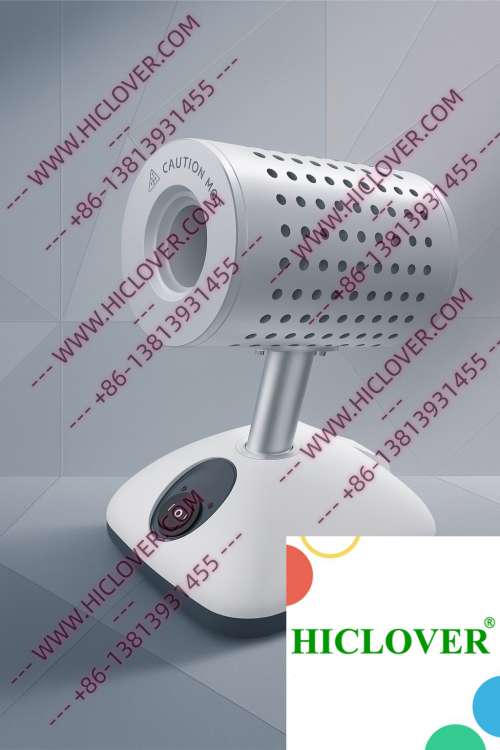
The Micro Incinerator utilizes rapid thermal sterilization through an enclosed ceramic heating chamber, which generates infrared heat while ensuring high-temperature disinfection. Unlike conventional flame sterilizers, this innovative equipment achieves temperatures that allow for aerosol-free handling of inoculating loops and other lab tools. The controlled environment minimizes the risk of contamination, providing a clean-bench-safe solution in various laboratory configurations.
Biosafety Compliance and Environmental Impact
Meeting global biosafety standards is crucial for laboratories, particularly those operating at BSL-2 and BSL-3 levels. The WHO emphasizes stringent sterilization procedures to limit contamination risks. The Micro Incinerator not only adheres to these standards but also eradicates the need for open flames, making it ideal for clean rooms and environments where alcohol vapors could pose safety hazards.
Application Scenarios in Laboratories
- University Teaching Labs: In educational settings, the Micro Incinerator provides students with a safe, efficient way to understand sterilization methods while conducting microbiological experiments. Its rapid performance improves class productivity and learning outcomes.
- Biosafety Cabinets: When used in conjunction with biosafety cabinets, the Micro Incinerator enhances contamination control. Researchers can sterilize loops and tools without stepping out of the safety zone, mitigating any chance of exposure to hazardous pathogens.
- Field Testing Laboratories: Mobile labs benefit from the compact nature and efficient function of the Micro Incinerator. Field teams can ensure sterility away from traditional settings, thereby enhancing their operational capabilities during crucial testing phases.
Advantages Over Traditional Flame Sterilizers
Not only does the Micro Incinerator provide a cleaner and safer solution, but it also offers several advantages compared to traditional flame sterilizers:
- Reduced Risk of Contamination: The closed design prevents open flames from introducing contaminants.
- Faster Sterilization: Infrared heat enables quicker sterilization cycles.
- Improved Safety: No flames mean less risk of burns or accidents in busy lab environments.
- Energy Efficiency: Consumes less energy than maintaining flames for prolonged periods.
Micro Incinerator vs. Flame Burners: A Comparison
| Feature | Micro Incinerator | Flame Burners |
|---|---|---|
| Sterilization Speed | Rapid thermal sterilization | Varies, but generally slower |
| Safety | No open flames, reduced risk | Burn hazards, requires caution |
| Contamination Control | High – aerosol-free | Moderate – open flames can introduce contaminants |
| Energy Usage | Energy-efficient | Higher energy consumption |
| Mobility | Compact, ideal for field labs | Less portable |
Frequently Asked Questions
What is a Micro Incinerator?
A Micro Incinerator is a laboratory device designed for efficient, aerosol-free sterilization using infrared heat technology.
How does infrared sterilization work?
Infrared sterilization uses high temperatures generated by an enclosed ceramic chamber, effectively eliminating bacteria and other pathogens without open flames.
Why choose a Micro Incinerator over a Bunsen burner?
Micro Incinerators offer greater safety, faster cycle times, and enhanced contamination control, making them more suitable for modern laboratory environments.
Can I use a Micro Incinerator in a BSL-2 lab?
Yes, the Micro Incinerator complies with BSL-2 and BSL-3 biosafety standards, making it an ideal choice for such settings.
Is training required to operate a Micro Incinerator?
While it is user-friendly, proper training on safety protocols and operational guidelines is recommended to maximize efficiency and safety.
Conclusion
In today’s evolving laboratory environments, the necessity for reliable and efficient sterilization solutions cannot be overstated. The advent of PCR lab sterilizers like the Micro Incinerator within Tanzania significantly enhances operational efficacy while ensuring adherence to biosafety regulations. For laboratories seeking to upgrade their sterilization practices, the Micro Incinerator represents a pivotal advancement. For inquiries or to explore purchase options, we invite you to connect with us today.
Categories:
Tags: