
As the healthcare landscape continues to evolve, particularly in urban centers like Kigali, Rwanda, laboratory biosafety challenges remain at the forefront. Hospitals and research facilities face increasing demands for effective sterilization workflow solutions that ensure contamination control while maintaining compliance with international safety standards. One innovative solution transforming this space is the micro incinerator or infrared inoculating loop sterilizer, which not only enhances laboratory efficiency but also addresses critical biosafety and sterilization requirements.
Addressing Laboratory Biosafety Challenges
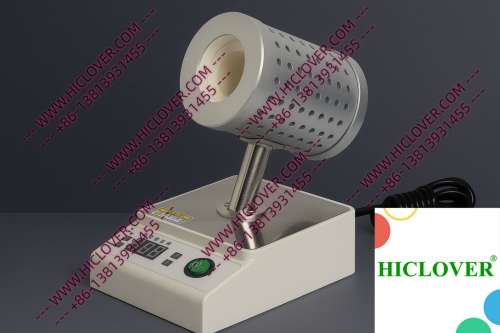
The rise of infectious diseases often necessitates stringent sterilization practices within laboratories, especially those operating under BSL-2 and BSL-3 standards. Traditional flame sterilizers, such as Bunsen burners and alcohol lamps, pose risks ranging from open flames to the potential for aerosolized pathogens. In contrast, infrared sterilizers like the micro incinerator provide a controlled environment that significantly mitigates these hazards. By utilizing a ceramic heating chamber, infrared heat rapidly approaches high temperatures, allowing for effective disinfection and ensuring safer handling of biological materials.
Technical Principles of Infrared Sterilization
At the core of the micro incinerator’s functionality is its advanced heating mechanism. Using a tightly enclosed ceramic tube, the infrared sterilizer delivers targeted high-temperature disinfection, effectively neutralizing contaminants without the need for an open flame. This feature not only enhances the sterilization process but also aligns perfectly with clean-bench-safe protocols, which are critical in maintaining laboratory integrity.
Applications in Real Laboratories
1. Biosafety Cabinets
In advanced microbiology labs, utilization of micro incinerators within biosafety cabinets is becoming common practice. Their ability to operate without an open flame allows researchers to efficiently sterilize inoculating loops and other tools while preserving the sterile environment critical to preventing contamination. As a result, researchers can confidently conduct experiments without the fear of cross-contamination, thus maintaining the integrity of their work.
2. Field Testing and Teaching Labs
In mobile or field testing laboratories, the portability and ease of use of the micro incinerator come into play. These devices allow health workers in remote areas to sterilize equipment efficiently, ensuring that even in challenging conditions, the risk of disease transmission is minimized. Furthermore, their use in university teaching labs enables students to learn proper sterilization methods in a safe environment, equipped with modern technology that emphasizes best practices in laboratory safety.
Compliance with Biosafety Standards
Adherence to international biosafety guidelines is essential for any laboratory. The World Health Organization (WHO) stresses the importance of implementing effective sterilization processes to combat infectious diseases. By incorporating infrared loop sterilizers into their operations, laboratories not only enhance their compliance with WHO recommendations but also meet stringent local regulations pertinent to public health. Moreover, unlike traditional flame sterilizers, these infrared devices eliminate the risk of aerosol generation, making them suitable for cleanroom applications.
- Biosafety Compliance Reference: WHO, CDC Guidelines
- Laboratory Sterilization Standards: ISO 13485
- No flame usage within clean rooms
Micro Incinerator vs. Traditional Flame Sterilizers
| Feature | Micro Incinerator | Flame Sterilizers |
|---|---|---|
| Temperature Control | Rapid thermal sterilization with adjustable settings | Variable, dependent on user skill |
| Safety | Cleaner, no open flames, and reduced aerosol risk | Open flames can cause contamination and fires |
| Ease of Use | Simple operation with minimal training required | Requires familiarity and proper technique |
| Portability | Compact design, ideal for mobile labs | Bulky and less portable |
Frequently Asked Questions
What is an infrared inoculating loop sterilizer?
An infrared inoculating loop sterilizer is a laboratory device that utilizes infrared heating to sterilize laboratory tools quickly and effectively, without the use of an open flame.
How does a micro incinerator improve lab safety?
By eliminating the need for open flames, micro incinerators significantly reduce risks associated with fire and contamination, helping to create a safer working environment in laboratories.
Can micro incinerators be used in field testing scenarios?
Yes, their compact and portable design makes micro incinerators ideal for use in field testing laboratories, where traditional sterilization methods may not be feasible.
Are micro incinerators compliant with international biosafety standards?
Yes, these devices meet WHO and local biosafety guidelines, ensuring safe and effective sterilization processes within labs.
What are the advantages of using a micro incinerator over a traditional flame sterilizer?
Micro incinerators offer rapid thermal sterilization, a cleaner operating environment, ease of use, and portability, which traditional flame sterilizers cannot match.
Conclusion
As healthcare facilities in Kigali and across the globe continue to prioritize safety and efficiency, the adoption of innovative sterilization technologies, such as the micro incinerator, becomes paramount. By integrating this advanced laboratory sterilization equipment, hospitals, universities, and research centers can enhance their infection control protocols, thereby ensuring a safer healthcare environment. For those interested in optimizing their sterilization processes, exploring the benefits of micro incinerators could be the next logical step. Contact us today for more information on leading solutions that can enhance your laboratory operations.
Categories:
Tags: