
Laboratory biosafety is a crucial concern, especially as modern scientific research grows more complex and intertwined with public health outcomes. Laboratories continually face challenges related to effective sterilization and contamination control, heightened by the growing emphasis on compliance with international biosafety standards. To meet these stringent demands, innovative laboratory sterilization equipment is essential. Enter the Micro Incinerator or Infrared Inoculating Loop Sterilizer, a groundbreaking solution now available in Casablanca.
Addressing Laboratory Biosafety Challenges
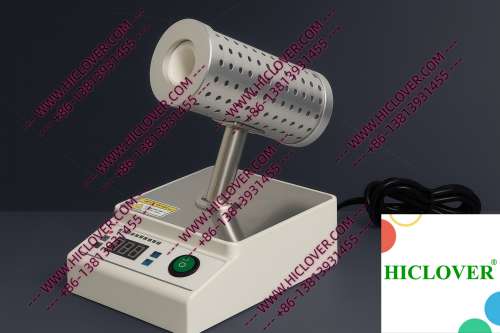
One of the foremost dilemmas in biosafety cabinets and other laboratory environments is providing a reliable method for sterilizing tools and surfaces. Traditional methods like alcohol lamps or Bunsen burners have long been utilized; however, they come with significant downsides, including the risk of aerosol contamination, safety hazards, and inefficient heat transfer. The Micro Incinerator offers a revolutionary alternative, ensuring rapid thermal sterilization without the drawbacks associated with open flames.
Technical Principles of Micro Incinerators
The technical innovation behind the Micro Incinerator lies in its use of infrared technology and an enclosed ceramic tube. This design facilitates high-temperature disinfection—instantly reaching over 800°C—allowing rapid sterilization of inoculating loops and other laboratory instruments while minimizing the release of aerosols. The enclosed ceramic heating chamber ensures that the heat is directed towards the instruments, optimizing disinfection times and improving energy efficiency.
Comparison: Micro Incinerator vs. Flame Burners
| Feature | Micro Incinerator | Flame Burners (Bunsen/Alcohol) |
|---|---|---|
| Temperature Control | Consistent high temperatures | Variable; dependent on flame adjustments |
| Aerosol Production | None; enclosed system | Significant; risk of aerosolized pathogens |
| Energy Efficiency | High; rapid thermal sterilization | Low; time-consuming heating process |
| Safety | Reduced hazards; no open flame | Higher risk of burns and fires |
Applications in Real Labs
The Micro Incinerator is poised to transform various laboratory settings, particularly in university teaching labs and BSL-2 (Biosafety Level 2) environments. Below are two real-life application scenarios:
- University Teaching Labs: In educational settings where students conduct hands-on experiments, a Micro Incinerator facilitates a safe and efficient sterilization process. Students can quickly sterilize tools before and after handling microbial cultures, understanding the importance of contamination control while adhering to strict laboratory protocols.
- Field Testing Labs: For researchers conducting field tests, mobile sterilization is crucial. The Micro Incinerator’s compact design allows for easy transport to remote locations. As researchers collect samples in varying environments, they can ensure that their tools remain sterile, thereby preventing cross-contamination and maintaining the integrity of their experiments.
Compliance with Biosafety Standards
Meeting regulatory compliance is a non-negotiable aspect of laboratory operations. The World Health Organization (WHO) and various health authorities mandate strict adherence to biosafety standards for laboratories, especially those handling pathogenic materials. The Micro Incinerator adheres to these standards, providing an efficient sterilization method that is flame-free, making it suitable for clean room environments. Laboratories can utilize this equipment confidently, ensuring that every sterilization meets or exceeds compliance requirements.
Environmentally and Safety-Focused Design
Incorporating Micro Incinerators into laboratory workflows not only enhances operational efficiency but also emphasizes a safety-conscious design. Its infrared sterilization process eliminates the need for flammable alcohol or gas, mitigating fire risks particularly in delicate environments like clean benches or clinical diagnostics facilities where contamination must be meticulously controlled.
FAQs
- What is a Micro Incinerator?
A Micro Incinerator is an advanced laboratory sterilization device that uses infrared technology for rapid thermal sterilization of instruments without an open flame. - How does it compare to traditional flame sterilizers?
Unlike flame sterilizers, the Micro Incinerator produces no aerosols, offers better temperature control, and poses less risk of burns and fires. - Can I use the Micro Incinerator in a BSL-2 lab?
Yes, it is designed to be compliant with biosafety regulations for BSL-2 laboratories, making it safe for use with pathogenic materials. - Is the Micro Incinerator portable?
Absolutely! Its compact design allows for easy transport, perfect for field testing or mobile laboratory environments. - What are the cleaning and maintenance requirements?
The Micro Incinerator requires minimal maintenance; regular cleaning of the ceramic chamber is necessary to ensure optimal performance.
Conclusion
As the demand for effective laboratory sterilization solutions grows, the Micro Incinerator stands out as a highly efficient and compliant alternative to traditional flame sterilizers. Laboratories in Casablanca and beyond can now access this innovative technology to enhance their sterilization workflows while ensuring safety and compliance. For more information on how to integrate the Micro Incinerator into your lab equipment arsenal, contact us today and explore the benefits this cutting-edge sterilization option can offer your laboratory environment.
Categories:
Tags: