
In the field of laboratory biosafety, the proper sterilization of equipment is paramount to ensure both research integrity and public health safety. Laboratories, especially clinical diagnostics and teaching institutions, are under pressure to find efficient and reliable methods for sterilizing their tools. This is particularly critical in regions such as Monrovia, where healthcare waste management is a growing concern. The advent of advanced sterilization technologies, such as the Micro Incinerator / Infrared Inoculating Loop Sterilizer, has become a game-changer in maintaining biosafety while addressing the rising demand for waste management solutions.
The Challenge of Laboratory Sterilization
Laboratories are often confronted with the challenge of contamination control, especially in environments classified as BSL-2 or BSL-3. Traditional sterilization methods, such as alcohol lamps and Bunsen burners, not only pose safety hazards but also risk incomplete sterilization due to the combustion of organic materials. Moreover, they are not suitable for use in clean rooms where open flames can lead to contamination or fires.
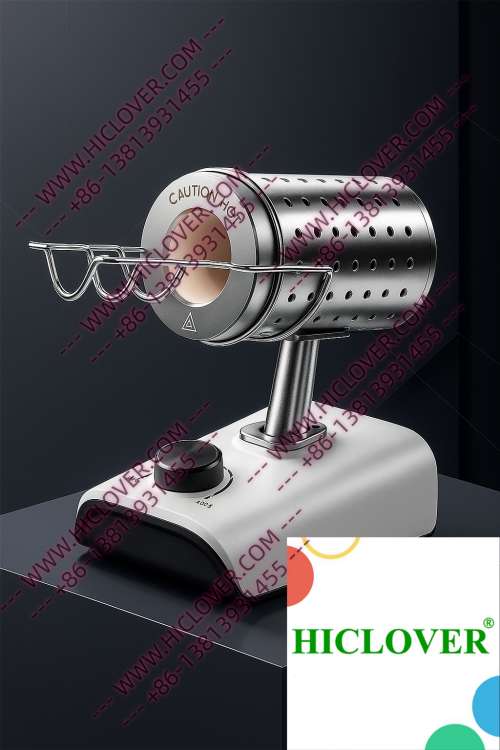
The Micro Incinerator provides a revolutionary approach to sterilization by utilizing advanced infrared heat technology. Operating within an enclosed ceramic heating chamber, it generates rapid thermal sterilization that is both clean and efficient. This ensures that even the most sensitive instruments are decontaminated without the risk of aerosol generation, making it ideal for various laboratory settings.
Technical Principles of Micro Incinerators
The heart of the Micro Incinerator lies in its infrared heating elements, which enable high-temperature disinfection without the use of open flames. Here’s a breakdown of its core components and functionality:
- Enclosed Ceramic Tube: This design minimizes the risk of external contamination and allows for even heat distribution.
- Infrared Technology: Generates heat rapidly, ensuring prompt sterilization of inoculating loops and other small tools.
- Temperature Control: Precise adjustments to achieve the optimal sterilization temperature for various lab applications.
- Clean-Bench-Safe Design: The absence of flame ensures that clean bench environments remain uncontaminated.
Application Scenarios in Real Labs
1. Clinical Diagnostics Laboratories
In clinical diagnostics labs, where the risk of biohazardous contamination is high, the Micro Incinerator proves crucial. For instance, when using inoculating loops to transfer samples between cultures, traditional methods can produce aerosols that pose infection risks. Using the Micro Incinerator in a biosafety cabinet allows laboratory personnel to sterilize their tools quickly and effectively without exposing themselves or others to potential pathogens.
2. University Teaching Laboratories
In educational settings, such as university microbiology classes, where students are learning about aseptic techniques, the Micro Incinerator provides a safe and effective way to demonstrate sterilization. Instead of using dangerous alcohol lamps, students can observe how infrared heat efficiently sterilizes instruments in real-time, reinforcing proper lab safety protocols.
Compliance and Environmental Considerations
With regulatory bodies like the World Health Organization emphasizing biosafety standards, complying with sterilization protocols is critical for labs. The Micro Incinerator aligns closely with WHO guidelines for laboratory and field operations by ensuring:
- Rapid Sterilization: Adhering to recommended timeframes for tool sterilization to maintain safety.
- No Open Flame: Preventing fire hazards in clean rooms and reducing contamination risks.
- Low Emission Waste: Minimizing health risks associated with smoke and soot from traditional flames.
As the pressure builds on labs across Monrovia to combat healthcare waste, adopting technologies like the Micro Incinerator is essential not only for compliance but also for minimal environmental impact.
Comparing Micro Incinerators with Traditional Flame Sterilizers
| Feature | Micro Incinerator | Flame Sterilizers |
|---|---|---|
| Temperature Control | Precise and adjustable | Manual; varies by technique |
| Safety | No open flames; reduces risk of aerosols | Open flames; high risk of burns and fire |
| Clean Room Compatibility | Safe for clean environment | Not suitable |
| Energy Efficiency | High due to rapid heating | Varies |
| Portability | Light and easy to transport | Generally heavier |
Frequently Asked Questions (FAQs)
What makes the Micro Incinerator a safer choice than traditional burners?
The Micro Incinerator does not utilize open flames, significantly reducing the risk of fire and ensuring biosafety in clean environments.
Can the Micro Incinerator be used in field testing scenarios?
Yes, its portability and clean operation make it ideal for mobile applications in field testing operations.
How does the Micro Incinerator contribute to compliance with WHO standards?
It adheres to WHO guidelines by ensuring rapid sterilization without open flames, thereby minimizing contamination risks.
Is the Micro Incinerator suitable for use in teaching laboratories?
Absolutely! Its safe operation makes it perfect for student demonstrations and hands-on sterilization practices.
What are the energy consumption levels of the Micro Incinerator?
The device is designed to be energy-efficient, utilizing rapid infrared heating technology to minimize energy usage.
Conclusion
The Micro Incinerator / Infrared Inoculating Loop Sterilizer stands at the forefront of laboratory sterilization technology, particularly in regions like Monrovia where healthcare waste management is increasingly critical. By incorporating advanced sterilization methods that embrace safety, efficiency, and compliance with global standards, laboratories can significantly elevate their biosafety protocols. Embrace this innovative technology today; contact us to learn more about how the Micro Incinerator can meet your lab’s sterilization needs effectively!
Categories:
Tags: