
In the fast-evolving world of laboratory practices, stringent biosafety measures and effective sterilization workflows are paramount. With rapid advancements in response to global health concerns and environmental sustainability, modern laboratories face challenges in achieving a balance between contamination control and operational efficiency. An innovative solution that has emerged in recent years is the use of Micro Incinerators, specifically the Infrared Inoculating Loop Sterilizer, which is fast becoming indispensable in various sectors, including clinical diagnostics, research, and teaching laboratories.
The Technological Advantages of Micro Incinerators
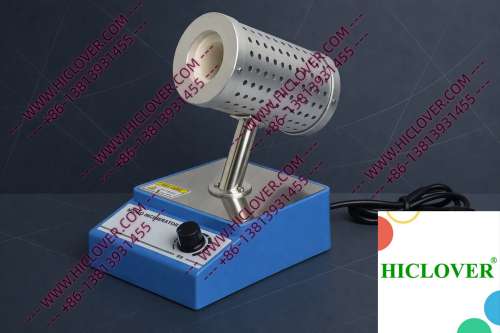
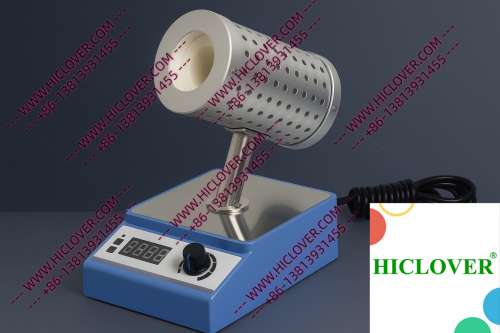
Micro Incinerators offer rapid thermal sterilization through the application of infrared heat in an enclosed ceramic tube. This design ensures that the temperature reaches high levels quickly, allowing for effective and efficient disinfection without the typical hazards associated with traditional flame sterilizers like alcohol lamps and Bunsen burners. Here are the key components of a Micro Incinerator:
- Ceramic Heating Chamber: The enclosed environment prevents airborne contaminants from spreading while providing a controlled heating element that can reach temperatures necessary for sterilization.
- Infrared Technology: High-temperature disinfection is achieved through focused infrared radiation, leading to rapid sterilization while conserving energy.
- Clean-Bench-Safe Design: The design is optimized for use within biosafety cabinets, minimizing the risk of aerosol generation and contamination.
Application Scenarios in Laboratories
Micro Incinerators are employed in various laboratory settings, demonstrating their versatility and effectiveness in managing sterilization processes.
1. Biosafety Cabinet Operations
In BSL-2 and BSL-3 microbiology labs, where adherence to strict biosafety protocols is critical, the Infrared Inoculating Loop Sterilizer plays a crucial role. Used for sterilizing inoculating loops and other small instruments within the biosafety cabinet, this device minimizes the risk of cross-contamination while maintaining a sterile environment. The rapid sterilization provided by the micro incinerator ensures that researchers can efficiently process samples without compromising safety.
2. Field Testing and Mobile Labs
Field testing laboratories, especially in urban environments like China’s rapidly developing cities, face unique challenges in controlling contamination. Here, Micro Incinerators stand out due to their portability and compact design. Used to sterilize sampling tools and equipment during field testing, they allow researchers to maintain high standards of cleanliness while operating in non-clinical settings. This is vital for preventing the spread of pathogens in public health research initiatives.
Compliance and Environmental Standards
Micro Incinerators enhance laboratory compliance with WHO biosafety standards and sterilization regulations. Unlike traditional flame-based methods, they eliminate the risks associated with open flames, making them suitable for clean rooms and environments where contamination must be controlled at all costs. The compliance with international lab sterilization standards allows facilities to operate confidently, knowing that they meet regulatory requirements.
Additionally, the use of Micro Incinerators is aligned with environmental sustainability goals. Due to efficient energy consumption and reduced emissions compared to conventional methods, they represent an eco-friendly option for waste and sterilization management.
A Comparison of Sterilization Methods
| Features | Micro Incinerator | Traditional Flame Sterilizers |
|---|---|---|
| Heat Source | Infrared Radiation | Open Flame |
| Safety | Low risk of contamination and burn accidents | High risk of fire hazards and inhalation of fumes |
| Energy Efficiency | Lower energy consumption | Higher energy consumption |
| Speed of Sterilization | Rapid (seconds) | Variable (may require longer time) |
| Application Scope | Versatile in any lab environment | Limited to specific lab conditions |
Frequently Asked Questions
1. What is the primary advantage of using a Micro Incinerator over traditional flame sterilizers?
The Micro Incinerator offers quicker sterilization, enhanced safety by eliminating open flames, and lower energy consumption, making it ideal for modern laboratory environments.
2. Can a Micro Incinerator be used in all types of laboratories?
Yes, it is suitable for BSL-2 and BSL-3 labs, clinical diagnostics, and university teaching labs, among other settings.
3. How does a Micro Incinerator ensure the elimination of pathogens effectively?
It utilizes infrared heat within a ceramic chamber to achieve temperatures necessary for rapid thermal sterilization, ensuring that all pathogens are effectively killed.
4. Are there any environmental concerns associated with Micro Incinerators?
Micro Incinerators are more environmentally friendly compared to traditional methods as they have lower emissions and energy requirements, promoting sustainability in laboratory operations.
5. How do I maintain a Micro Incinerator properly?
Regular maintenance involves cleaning the ceramic chamber and ensuring that the heating elements are functioning optimally. Consult the manufacturer’s guidelines for specific instructions.
Conclusion
Micro Incinerators, particularly the Infrared Inoculating Loop Sterilizer, represent a transformative advancement in sterilization technology. By addressing the pressing needs of modern laboratories from biosafety requirements to efficiency in performance, these devices are redefining waste management and contamination control. With the ability to significantly enhance safety, reduce environmental impact, and comply with stringent biosafety standards, investing in a Micro Incinerator is a forward-thinking move for laboratories seeking to excel in their operations.
If your laboratory is ready to upgrade its sterilization equipment, consider reaching out for a consultation or exploring options to purchase a Micro Incinerator. Experience first-hand the benefits that this cutting-edge technology can bring to your sterilization process!
Categories:
Tags: