
In the rapidly evolving landscape of laboratory biosafety, the demand for reliable sterilization methods has never been more critical. Laboratories across London, particularly in the fields of clinical diagnostics and microbiology, face stringent requirements for contamination control. One innovative device that has captured the attention of laboratory professionals is the Micro Incinerator / Infrared Inoculating Loop Sterilizer. This article will delve into its technical principles, applications, compliance requirements, and pricing insights, ensuring you have a comprehensive understanding of this essential sterilization equipment.
The Technical Principles of Infrared Loop Sterilizers
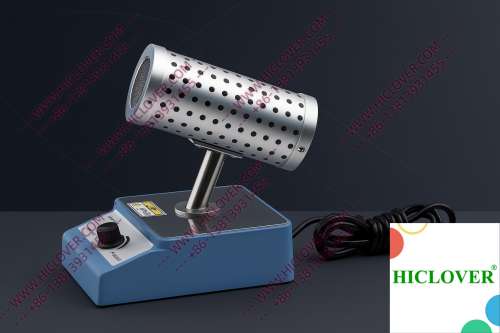
The Micro Incinerator utilizes advanced thermal sterilization methods to effectively achieve rapid and thorough disinfection of inoculating loops and tools. Unlike traditional flame sterilizers, which employ open flames that can pose several safety risks, this device harnesses infrared heat generated within an enclosed ceramic tube. The ceramic heating chamber allows for optimal heat retention and uniform distribution, resulting in high-temperature disinfection without the risks associated with flame use.
The design of the Micro Incinerator not only enhances safety by minimizing the risk of fires or open flames but also promotes clean-bench-safe procedures, essential in BSL-2 and BSL-3 microbiology labs. The compact footprint of these sterilizers makes them suitable for both large laboratories and smaller teaching labs, facilitating the sterilization process without the need for bulky and cumbersome equipment.
Applications of Micro Incinerators in Laboratory Settings
Micro Incinerators are versatile tools widely used in various laboratory settings. Here are two scenarios that illustrate their practical applications:
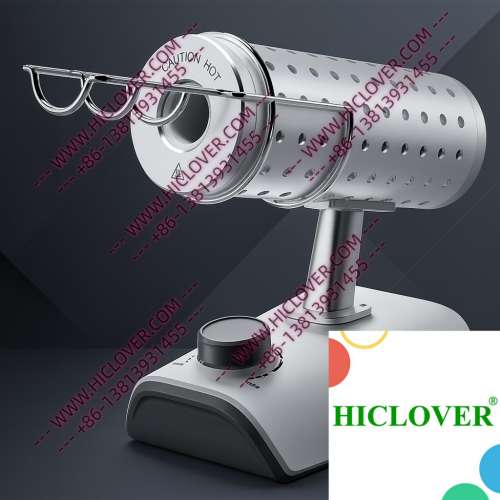
- Biosafety Cabinet: In a BSL-2 laboratory performing microbial culture work, the Micro Incinerator fits seamlessly within a biosafety cabinet. Researchers can quickly sterilize inoculating loops between cultures, reducing the risk of cross-contamination while maintaining sterile working conditions.
- Field Testing Labs: In rural or remote areas where access to traditional sterilization methods is limited, the portability of Micro Incinerators enables field testing for environmental samples, ensuring that contamination control measures are maintained even in challenging settings.
Compliance and Safety Considerations
Compliance with established biosafety standards is crucial for any laboratory operation. The World Health Organization (WHO) emphasizes procedures that ensure the safety of laboratory personnel and the environment. Using flame sterilizers in clean rooms is often discouraged due to their potential to produce aerosols, which can compromise air quality and biosafety. By employing Micro Incinerators, laboratories align with rigorous standards by eliminating open flames and enhancing worker safety.
Additionally, integrators of laboratory sterilization equipment must consider regional compliance requirements in London’s healthcare landscape. The UK has set forth guidelines from entities such as the Health and Safety Executive (HSE) and the British Standard Institute (BSI), which advocate for flame-free sterilization in environments that demand strict contamination control.
Comparative Analysis: Micro Incinerator vs. Traditional Flame Sterilizers
| Feature | Micro Incinerator | Traditional Flame Sterilizers |
|---|---|---|
| Heat Source | Infrared | Open Flame |
| Safety | Minimal Risk | High Risk |
| Contamination Control | High | Variable |
| Portability | Compact & Portable | Bulky |
| Energy Efficiency | High | Variable |
Frequently Asked Questions
What is a Micro Incinerator, and how does it work?
A Micro Incinerator is a sterilization device that uses infrared heat within a ceramic chamber to rapidly and effectively sterilize inoculating loops and laboratory instruments. This method minimizes risks associated with open flame sterilization while ensuring high-temperature disinfection.
Are Micro Incinerators compliant with WHO biosafety standards?
Yes, Micro Incinerators meet WHO biosafety standards by providing a safe and efficient means of sterilization without an open flame, which is crucial in maintaining clean laboratory environments.
Can I use a Micro Incinerator in a BSL-3 laboratory?
Absolutely! The Micro Incinerator is suitable for BSL-2 and BSL-3 laboratories and is designed to facilitate safe sterilization practices within these environments.
How does the cost of a Micro Incinerator compare to traditional sterilizers?
The investment in a Micro Incinerator may initially be higher than that of traditional flame sterilizers; however, its long-term benefits—such as enhanced safety, compliance with regulations, and reduced maintenance—offer substantial value for laboratories.
Where can I purchase a Micro Incinerator in London?
You can find authorized suppliers and distributors of laboratory sterilization equipment, including the Micro Incinerator, within London. It’s advisable to contact a lab supply distributor to inquire about pricing and availability.
Conclusion
The use of Micro Incinerators significantly enhances sterilization processes in laboratories, aligning with modern demands for biosafety and efficient workflow. Transitioning to infrared inoculating loop sterilizers is not just a matter of choice but a necessity for maintaining high standards in clinical and research environments. If you’re considering upgrading your laboratory’s sterilization equipment, contact us today. Our team is prepared to assist you in selecting the perfect sterilizer tailored to your needs!
Categories:
Tags: