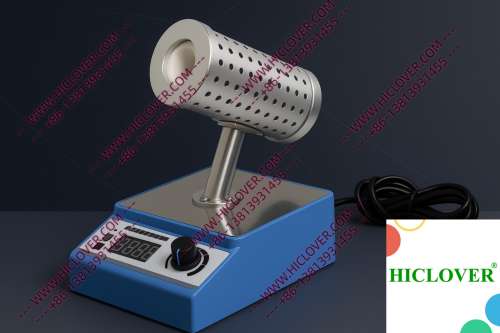
In a world where laboratory biosafety is paramount, the demands for efficient sterilization workflows have never been greater. Laboratories, whether they are BSL-2 or BSL-3 microbiology facilities, face continual challenges in contamination control. As researchers aim for the highest standards of safe working environments, innovative solutions like the Micro Incinerator or Infrared Inoculating Loop Sterilizer come to the forefront, revolutionizing conventional methods of sterilization.
Understanding the Technical Principle Behind Infrared Sterilization
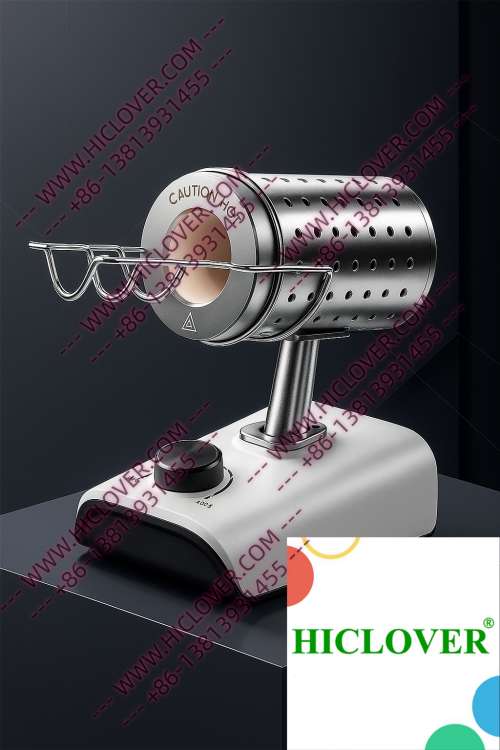
The Micro Incinerator utilizes advanced infrared heat technology to achieve rapid thermal sterilization. Unlike traditional Bunsen burners or alcohol lamps that rely on open flames, this device operates by generating intense infrared radiation within an enclosed ceramic heating chamber. This design not only reduces the risk of fire hazards in cleanrooms and biosafety cabinets but also ensures virtually aerosol-free handling of biohazardous materials.
Infrared sterilizers produce temperatures that can reach up to 800°C (1472°F), which is sufficient for the immediate and effective sterilization of inoculating loops, needles, and other laboratory tools. This process ensures that any potential microbial life is eliminated, providing a safe environment for experimentation.
Key Applications in Real Laboratory Settings
1. Biosafety Cabinets
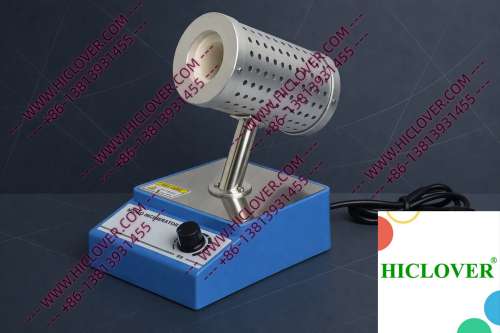
Within BSL-2 and BSL-3 biosafety cabinets, adherence to strict contamination control protocols is essential. The infrared sterilizer can easily fit within these cabinets, providing an efficient method to sterilize inoculating loops frequently used for transferring pathogens. Its design is perfect for minimizing airflow disruption, maintaining a sterile environment while executing vital laboratory functions.
2. Field Testing Labs
In remote or mobile laboratory settings, such as field testing environments, the benefits of using an infrared inoculating loop sterilizer are profound. The lightweight and portable nature of this device allows researchers to maintain rigorous sterilization standards without the limitations posed by traditional flame sterilizers. This is especially crucial during dynamic sampling in diverse biological environments, where contamination could skew research results.
Compliance and Environmental Considerations
Ensuring compliance with international biosafety standards, such as those set forth by the World Health Organization (WHO), is crucial for laboratory operations. Traditional flames not only pose contamination risks but also are incompatible with the majority of clean-room protocols where flammable materials are handled.
Infrared sterilizers adhere to stringent laboratory sterilization standards, allowing safe operation in sensitive environments without open flames. By denoting a clean-bench-safe status, these devices cultivate a compliant atmosphere, thereby reducing aerosol generation and the spread of particulates.
Key Benefits: Micro Incinerator vs. Traditional Flame Burners
- Contamination Control: Infrared sterilizers minimize the risk of heat-induced aerosol generation, which is an inherent risk with flames.
- Operational Efficiency: With rapid heating capabilities, these devices reduce preparation time, equipping laboratory personnel with sterilized instruments nearly instantaneously.
- Safety: The elimination of open flames greatly reduces the potential for fires in laboratories, especially in clean-room conditions.
- Versatility: Suitable for a wide range of applications from clinical diagnostics to educational settings, showcasing their adaptability.
Comparative Overview: Micro Incinerator vs. Flame Burners
| Feature | Micro Incinerator | Flame Burners |
|---|---|---|
| Heat Source | Infrared | Open Flame |
| Contamination Risk | Low | High |
| Compliance with Clean Room | Yes | No |
| Safety | Safe | Hazardous |
| Speed of Sterilization | Rapid | Varies |
Frequently Asked Questions
- What is the primary benefit of using the Micro Incinerator over traditional methods?
The primary benefit lies in its rapid sterilization abilities without producing aerosols, maintaining strict contamination control. - Is the Micro Incinerator suitable for use in teaching labs?
Yes, it is ideal for university teaching labs, providing a safe and efficient way for students to learn about microbial handling without the risks associated with open flames. - Can it be used for field testing?
Absolutely! The portable design allows for effective sterilization in remote testing situations. - How does the Micro Incinerator help with compliance?
By operating without an open flame, it meets WHO and laboratory biosafety standards, making it suitable for cleanroom use. - What are the maintenance requirements for the device?
Minimal maintenance is required. Regular checks on the ceramic heating element and cleaning the exterior ensure optimal performance.
Conclusion
In conclusion, the Micro Incinerator or Infrared Inoculating Loop Sterilizer stands out as a superior choice for laboratories prioritizing safety, efficiency, and compliance. With its capability to enhance sterilization workflows and reduce contamination risks, it has become a must-have tool in various laboratory settings, including universities and clinical diagnostics.
If you’re looking to upgrade your sterilization processes or integrate cutting-edge technology into your lab, don’t hesitate to reach out to us at Birmingham’s Best. Our team is poised to assist you in selecting the right equipment to meet your laboratory’s unique needs.
Categories:
Tags: