
In the fast-paced world of laboratory research and diagnostics, the demand for efficient sterilization solutions is more crucial than ever. As laboratories face increasing biosafety challenges, they must adopt reliable sterilization equipment that not only meets standard compliance but also enhances workflow efficiency. One such solution is the Micro Incinerator or Infrared Inoculating Loop Sterilizer—a modern alternative to traditional flame sterilizers.
Understanding the Micro Incinerator’s Technical Principles
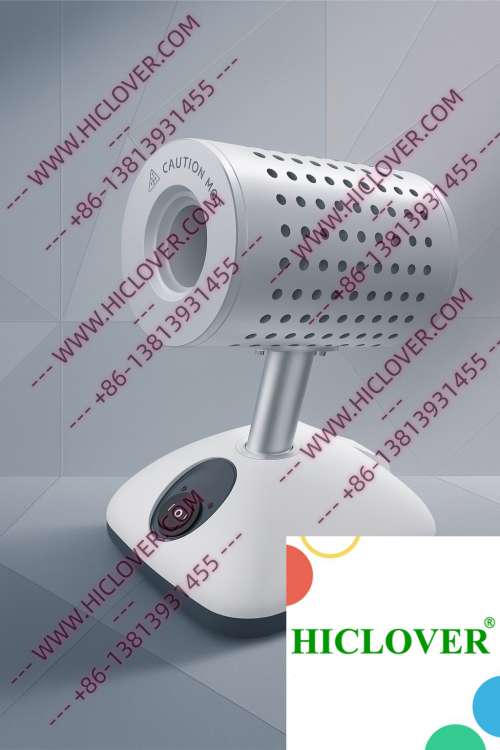
The Micro Incinerator operates through the principle of rapid thermal sterilization, utilizing infrared heat to achieve high temperatures suitable for effective disinfection. Enclosed in a ceramic heating chamber, this innovative device eliminates the risks associated with open flames, making it a safe choice for various laboratory environments.
This device heats inoculating loops to sterilizing temperatures within seconds, ensuring seamless workflow and minimal wait times. The enclosed ceramic tube design significantly reduces contamination risks, providing a clean-bench-safe method for microbial handling.
Advantages Over Traditional Flame Sterilizers
| Feature | Micro Incinerator | Flame Sterilizer |
|---|---|---|
| Heating Time | Instant | Delayed |
| Contamination Risk | Low | High |
| Environmental Safety | Cleaner (no flames) | Higher risk (open flames) |
| Ease of Use | Simple and direct | Requires experience |
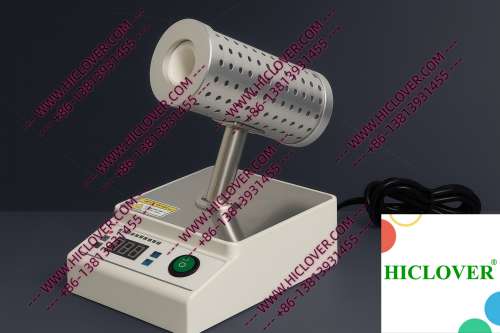
Applications of the Micro Incinerator in Laboratory Environments
The versatility of loop sterilizers like the Micro Incinerator makes them essential tools in various laboratory settings. Here are some common application scenarios:
- Biosafety Cabinets: Ideal for BSL-2 and BSL-3 microbiology labs, the Micro Incinerator provides a fire-safe solution for sterilizing inoculating loops while manipulating pathogens.
- Field Testing: In remote environments, the portability of infrared sterilizers allows researchers to ensure contamination control without relying on traditional flame sources.
- University Teaching Labs: Educational institutions benefit from incorporating these sterilizers into curricula, showcasing safe sterilization methods to students undergoing practical training.
- Clinical Diagnostics: In hospitals where sample handling is critical, the Micro Incinerator promotes a safer environment devoid of open flames, ensuring high-standard lab practices.
Compliance and Environmental Considerations
The usage of Micro Incinerators aligns with WHO biosafety standards and laboratory sterilization regulations. According to these guidelines, maintaining a sterile environment is paramount in preventing contamination and ensuring the safety of laboratory personnel. One of the significant advantages of this device is its adherence to the requirement of minimal open flames in clean rooms, thus reducing aerosol risks associated with traditional flame sterilization methods.
With the increasing emphasis on adhering to international sterilization standards, investing in infrared inoculating loop sterilizers is not only practical but also necessary. These devices contribute to a safer, more efficient lab environment, which is crucial for universities, research centers, hospitals, and NGOs operating within stringent safety measures.
Frequently Asked Questions (FAQs)
- What is the primary function of a Micro Incinerator?
The Micro Incinerator is designed to rapidly sterilize inoculating loops using infrared heat, thereby ensuring a sterile environment for microbiological work. - How does the Micro Incinerator differ from traditional flame sterilizers?
Unlike traditional flame sterilizers, the Micro Incinerator eliminates open flames, reducing contamination risks and enhancing safety in the laboratory. - Are Micro Incinerators compliant with laboratory safety standards?
Yes, they meet WHO biosafety guidelines and other international sterilization standards, making them suitable for various laboratory environments. - Can Micro Incinerators be used in teaching laboratories?
Absolutely! They provide an excellent opportunity for teaching safe handling practices while ensuring effective sterilization. - What are the maintenance requirements for a Micro Incinerator?
Routine cleaning and checks of the ceramic heating chamber are recommended to ensure optimal performance and longevity of the device.
Conclusion
In conclusion, the Micro Incinerator or Infrared Inoculating Loop Sterilizer represents a step forward in laboratory sterilization technology. With its rapid sterilization capability, low contamination risk, and compliance with safety standards, it offers significant advantages over traditional flame sterilizers. Laboratories in Stockholm, Sweden, can greatly benefit from integrating these modern solutions into their processes.
We encourage you to explore the potential of Micro Incinerators for your laboratory needs. Whether you’re a university, hospital, research center, or an NGO, investing in innovative, safe sterilization methods can enhance your workflows while maintaining the highest biosafety standards. For more information or inquiries, don’t hesitate to reach out.