
In today’s fast-paced laboratory environments, especially in Surabaya’s hospitals and research centers, the need for efficient and reliable sterilization solutions has never been more pressing. Laboratory biosafety challenges and sterilization workflow demands necessitate the implementation of advanced sterilization equipment, particularly in infection control practices. Enter the Micro Incinerator / Infrared Inoculating Loop Sterilizer, a game-changer in maintaining sterile conditions without the drawbacks of traditional flame sterilizers.
Addressing Biosafety Challenges in Sterilization Workflows
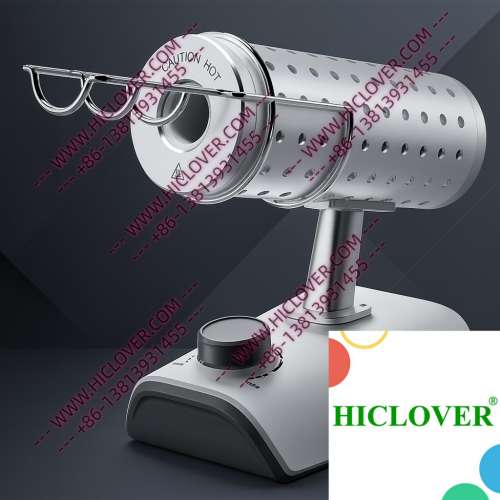
In laboratories that handle pathogens or sensitive samples, maintaining strict biosafety measures is critical. Conventional sterilization methods, such as alcohol lamps and Bunsen burners, often present significant downsides, including open flames, risk of contamination, and the emission of aerosols. The Micro Incinerator eliminates these concerns, promoting a clean and secure working environment.
Technical Principles and Configuration of the Micro Incinerator
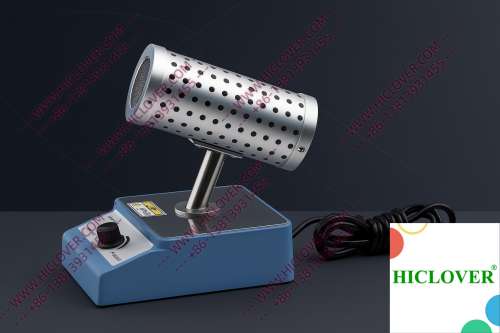
The Micro Incinerator operates on the principle of rapid thermal sterilization through infrared technology. Unlike traditional flame sterilizers, it utilizes a ceramic heating chamber that produces high temperatures quickly and efficiently. With an enclosed design, the Micro Incinerator ensures that any biological debris is incinerated at temperatures exceeding 800 degrees Celsius, leading to effective and safe disinfection.
- Infrared Technology: Facilitates immediate sterilization without the wait time associated with flame heating.
- Ceramic Heating Tube: Durable and efficient; minimizes energy consumption while maximizing heat retention.
- Portability: Lightweight and compact design makes it suitable for various laboratory settings.
- Biosafety Compliance: Excellent for use in BSL-2 and BSL-3 microbiology labs due to its aerosol-free handling capability.
Application Scenarios: Revolutionizing Laboratory Practices
Surabaya hospitals and laboratories can greatly benefit from the versatility of the Micro Incinerator in various scenarios:
1. Biosafety Cabinets
In BSL-2 or BSL-3 laboratories, the Micro Incinerator can be integrated seamlessly into biosafety cabinets. Its enclosed heating mechanism means that labs can efficiently sterilize inoculating loops and other small instruments while minimizing airborne contamination risks. This allows researchers and technicians to focus on critical tasks without compromising sterility.
2. Mobile Field Testing Labs
In the context of field testing, especially in remote areas, a portable sterilizer like the Micro Incinerator becomes invaluable. It provides healthcare workers with a reliable method to sterilize their tools without relying on batteries or external power sources, making it an ideal solution for mobile clinics and outreach programs aimed at infectious disease detection.
Compliance and Environmental Considerations
Occupational safety and biosafety compliance are essential in every laboratory setting. The Micro Incinerator adheres to WHO biosafety standards, making it a trusted choice for hospitals and research centers. Its use in sterile environments negates the risk associated with open flames, ensuring that clean rooms remain uncontaminated.
Furthermore, traditional flame sterilizers produce CO2 and other harmful emissions, contributing to environmental degradation. Transitioning to infrared sterilization not only promotes safety in the lab but also aligns with sustainable practices by reducing the ecological footprint.
Comparative Overview: Micro Incinerator vs. Traditional Flame Sterilizers
| Feature | Micro Incinerator | Flame Sterilizers |
|---|---|---|
| Heating Principle | Infrared thermal technology | Open flame |
| Containment | Enclosed ceramic tube | Exposed flame, potential aerosol |
| Temperature Control | High-temperature sterilization | Variable with operator skill |
| Portability | Highly portable | Less portable; dependent on fuel source |
FAQs on Micro Incinerators and Sterilization Techniques
1. Why should I choose a Micro Incinerator over traditional flame sterilizers?
The Micro Incinerator offers superior safety, efficiency, and environmental benefits while ensuring thorough sterilization without the risk of open flames.
2. Can the Micro Incinerator be used in a university teaching lab setting?
Absolutely! Its user-friendly design and safety features make it an ideal choice for teaching laboratories, where students can learn proper sterilization practices without the risks associated with flames.
3. How does the Micro Incinerator ensure compliance with biosafety standards?
By using advanced infrared technology and an enclosed chamber, the Micro Incinerator meets and exceeds the biosafety standards set by WHO and other governing bodies, ensuring a safe working environment.
4. Is the Micro Incinerator suitable for field testing?
Yes, its portability and rapid sterilization capabilities make it perfect for use in field testing labs, where reliable sterilization is crucial on-site.
5. What maintenance does the Micro Incinerator require?
Regular cleaning of the ceramic heating chamber and ensuring the device is kept free from dust and debris will ensure optimal performance and longevity.
Conclusion: Transform Your Sterilization Practices Today
As Surabaya hospitals embrace advanced technology, equipping them with the Micro Incinerator / Infrared Inoculating Loop Sterilizer is a wise investment. By adopting this state-of-the-art equipment, you can enhance safety, streamline workflows, and meet the highest biosafety standards in laboratory environments. Don’t miss the opportunity to elevate your infection control protocols—contact us today to learn more and secure your Micro Incinerator for a safer and more efficient laboratory future.
Categories:
Tags: