
Laboratory safety is a paramount concern in any scientific community, especially in bustling cities like Phnom Penh. With increasing populations and the rise of innovative research projects, laboratories face numerous biosafety challenges. These include contamination control, adherence to sterilization protocols, and ensuring a clean environment for sensitive experiments. The advent of loop sterilizers—specifically the Micro Incinerator or Infrared Inoculating Loop Sterilizer—presents a groundbreaking solution to these challenges.
Biosafety Challenges in Modern Laboratories
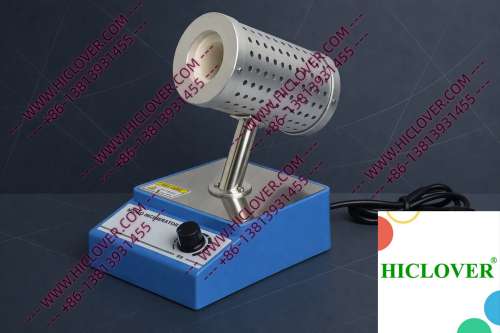
In a city like Phnom Penh, where scientific research is gaining momentum, laboratories must address compliance with stringent biosafety standards. Traditional methods of sterilization, such as flame burners and alcohol lamps, pose risks including fire hazards, aerosol generation, and incomplete sterilization of tools. As labs expand their capabilities in areas like microbiology and clinical diagnostics, the urgency for effective sterilization methods becomes clear.
Technical Principles of Loop Sterilizers
The Micro Incinerator operates on the principle of rapid thermal sterilization through an enclosed ceramic heating chamber. This sophisticated design allows for targeted, high-temperature disinfection using infrared heat. This method not only increases efficiency but also eliminates the risks associated with open flames, making it a clean-bench-safe option suitable for environments such as biosafety cabinets and CO₂ incubators.
Key Features
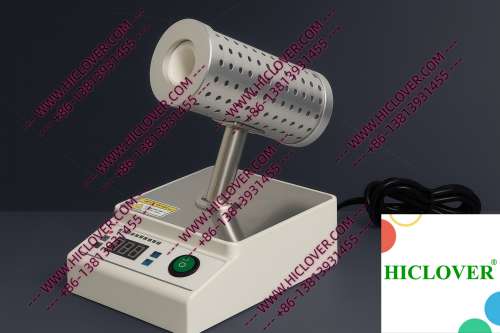
- Infrared Heating: Ensures rapid heating, minimizing waiting time between samples.
- Compact Design: Easily fits into standard laboratory setups without cumbersome gas lines.
- Aerosol-Free Handling: Reduces contamination risks when using loops in sensitive testing.
- Adjustable Temperature Settings: Tailors the sterilization process to various microbial strains.
Application Scenarios in Real Labs
Two prominent application scenarios for the Micro Incinerator in Phnom Penh’s laboratory landscape include:
-
Biosafety Cabinet Operations
In BSL-2 and BSL-3 microbiology labs, it is crucial to maintain a sterile workspace to prevent contamination. The Micro Incinerator fits perfectly into biosafety cabinets, allowing researchers to sterilize inoculating loops quickly without exposing cultures to external microbial threats. This contributes to enhanced biosafety while ensuring compliance with national and international standards.
-
Field Testing in Remote Areas
In resource-limited settings or during field tests, the Micro Incinerator’s portability and ease of use prove invaluable. In rural laboratory settings, researchers can effectively sterilize tools immediately after use, ensuring that experiments remain uncontaminated by environmental factors. Its lightweight design and rechargeable features enhance mobility without sacrificing performance.
Compliance with Global Biosafety Standards
Regulatory bodies, including the World Health Organization (WHO), emphasize the importance of strict laboratory sterilization standards. Compliance with these guidelines is non-negotiable, particularly in laboratories handling biological samples. Unlike traditional flame sterilizers, the Micro Incinerator keeps clean rooms free of open flames, significantly lowering the risk of fire hazards and providing a safe working environment.
In addition, the Micro Incinerator meets the following compliance mandates:
- WHO biosafety guidelines for laboratory research.
- ISO and ANSI standards for laboratory equipment.
- Environmental compliance techniques to minimize hazardous waste.
A Comparative Analysis: Micro Incinerator vs. Flame Burners
| Feature | Micro Incinerator | Flame Burners |
|---|---|---|
| Safety | Low risk of fire hazards | High risk of fire hazards |
| Contamination Control | Aerosol-free | Potential aerosol generation |
| Efficiency | Rapid heating and cooling cycles | Long heating time |
| Environment | Cleanroom safe | Not suitable for clean areas |
FAQs
- What types of labs benefit most from using a Micro Incinerator?
- BSL-2 and BSL-3 labs, clinical diagnostics, and teaching laboratories all benefit significantly from the Micro Incinerator’s efficiency and safety features.
- How does the Micro Incinerator sterilize laboratory tools?
- By utilizing infrared heat in an enclosed ceramic tube, the Micro Incinerator rapidly achieves high temperatures, effectively destroying contaminants without aerosol generation.
- Is the Micro Incinerator portable for field use?
- Yes, the Micro Incinerator is designed to be lightweight and easy to transport, making it ideal for field testing in remote or mobile laboratory settings.
- Why is compliance with biosafety standards important?
- Compliance ensures the safety of laboratory personnel and minimizes the risk of contamination or disease transmission, which is critical in scientific research.
- How does the Micro Incinerator contribute to workflow improvement?
- It reduces waiting times for sterilization and eliminates the need for gas lines or open flame supervision, allowing researchers to focus more on their experiments.
Conclusion
The innovation of the Micro Incinerator / Infrared Inoculating Loop Sterilizer represents a significant advance in laboratory safety and efficiency. Its adaptation to the unique environmental and regulatory landscapes of cities like Phnom Penh marks a vital step forward for the local scientific community. For laboratory supply distributors, research institutions, and educational facilities looking to enhance safety and compliance, investing in high-quality sterilization equipment such as the Micro Incinerator is an intelligent choice. Reach out today to learn more about how you can elevate your laboratory’s safety and efficiency standards.
Categories:
Tags: