
In the bustling laboratory environments across India, particularly in metropolitan hubs like Delhi, maintaining biosafety standards is a critical challenge. Laboratories are under constant pressure to ensure rigorous control over sterilization workflows, especially in clinical diagnostics, university teaching labs, and BSL-2/BLS-3 microbiology labs. As researchers and educators increasingly face stringent infection control measures, innovative sterilization equipment, such as portable micro incinerators, are emerging as essential tools in maintaining a sterile environment while also managing waste effectively.
The Science Behind Micro Incinerators
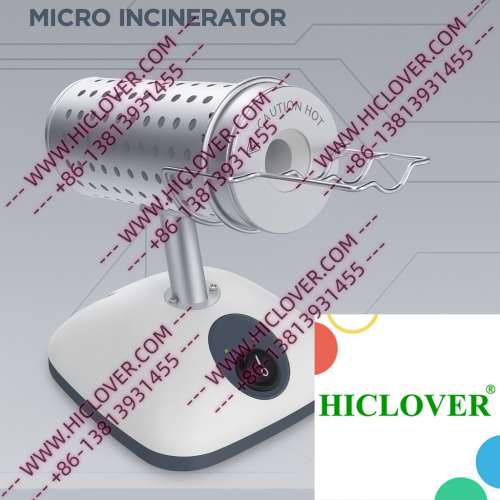
At the heart of the micro incinerator’s effectiveness is its use of infrared heat technology. Unlike traditional flame sterilizers—such as alcohol lamps and Bunsen burners—that utilize an open flame, micro incinerators feature an enclosed ceramic heating chamber. This design not only promotes rapid thermal sterilization of inoculating loops, needles, and other instruments but also minimizes the risk of aerosol generation, a key factor in contamination control.
Micro incinerators can reach high temperatures in seconds, allowing for an efficient process of achieving high-temperature disinfection. Infrared radiation directly heats the instruments, resulting in quick sterilization cycles that can significantly enhance laboratory workflow efficiencies.
Real-World Applications in Laboratories
The versatility of micro incinerators extends to various laboratory environments, with two key application scenarios demonstrating their effectiveness:
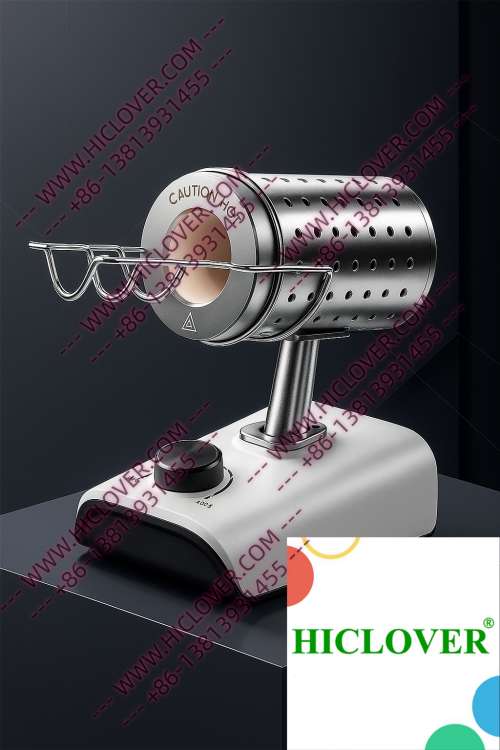
- Biosafety Cabinets: In BSL-2 and BSL-3 laboratories, where contaminant exposure poses significant risks, the micro incinerator’s enclosed design ensures that the sterilization process does not compromise the aseptic environment. This makes it an ideal choice for safely sterilizing tools without introducing flames or aerosols into the biosafety cabinet.
- Field Testing Labs: Mobile or field-based laboratories benefit from the portability of micro incinerators, enabling researchers to sterilize tools on-site efficiently. This is particularly crucial in environments where traditional electrical setups are not available, allowing for rapid and safe sterilization in real-time during field experiments.
Compliance with Safety Standards
When it comes to laboratory safety, strict adherence to compliance and guidelines is non-negotiable. The World Health Organization (WHO) and other regulatory bodies have emphasized safe lab practices, including the need for effective sterilization without flame exposure, particularly in cleanroom environments. Micro incinerators excel in this aspect as they:
- Meet laboratory sterilization standards, designed to eliminate microorganisms effectively without compromising material integrity.
- Conform to requirements that prohibit open flames in cleanroom settings, where particulate contamination can seriously impact experimental outcomes.
- Enhance biosafety protocols by minimizing the risk of aerosols, thus protecting both lab personnel and the environment.
Micro Incinerator vs. Traditional Flame Sterilizers
| Features | Micro Incinerator | Flame Sterilizers |
|---|---|---|
| Heat Source | Infrared, enclosed | Open flame |
| Ease of Use | Quick, immediate sterilization | Requires preparation (fuel, lighter) |
| Safety | No flame exposure, low toxicity | Open flame poses burn risk, aerosol generation |
| Portability | Highly portable, battery-operated options | Stationary, requires a stable gas source |
Frequently Asked Questions
What is a Micro Incinerator?
A Micro Incinerator is a device that uses infrared technology to quickly and efficiently sterilize laboratory instruments without an open flame. This technology ensures minimal contamination risk while providing rapid sterilization.
Can a Micro Incinerator be used in field laboratories?
Yes, the portability of micro incinerators makes them ideal for field laboratories where traditional sterilization methods may not be viable.
How does a Micro Incinerator enhance laboratory workflow?
By providing rapid thermal sterilization and eliminating the need for open flames, micro incinerators improve the speed and safety of laboratory operations, allowing researchers to focus on their work without interruption.
Are Micro Incinerators compliant with WHO safety standards?
Micro incinerators are designed to meet strict biosafety guidelines, including those set by the WHO, ensuring safe and effective sterilization practices in compliance with laboratory safety standards.
Conclusion
Delhi’s innovative response to waste management challenges is evident in the adoption of micro incinerators for laboratory sterilization. These portable devices not only improve biosafety in laboratories but also adapt to diverse environments—from field testing to educational institutions—ensuring infection control and sterilization precision. For laboratories looking to enhance their sterilization workflow and maintain compliance with safety standards, investing in a micro incinerator can be a transformative decision. Contact us today to learn more about our advanced micro incineration solutions!
Categories:
Tags: