
In today’s fast-paced laboratory environment, maintaining stringent biosafety levels while ensuring efficient sterilization procedures is paramount. Traditional sterilization equipment often struggles to meet these evolving demands, leading to a significant push towards modern solutions such as Micro Incinerators or Infrared Inoculating Loop Sterilizers. This article delves into the pricing, functionality, and applications of these innovative pieces of equipment, particularly in the context of labs operating within Chicago.
Understanding the Technical Principles of Infrared Inoculating Loop Sterilizers
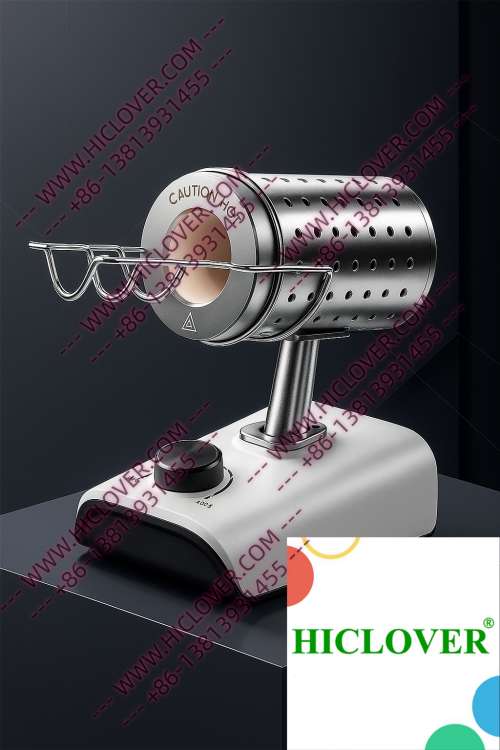
The Micro Incinerator employs rapid thermal sterilization through the use of infrared heat, a game-changer in the realm of laboratory sterilization equipment. The principle is straightforward: the enclosed ceramic tube generates high temperatures that allow for efficient and effective sterilization of inoculating loops, ensuring that contamination is controlled throughout laboratory processes.
This technology eliminates the need for traditional flame sterilizers, such as alcohol lamps or Bunsen burners, which pose risks not only from an operational perspective but also from a safety compliance standpoint. The infrared design provides a clean, clear, and flame-free environment, ideal for sensitive laboratory settings.
Key Applications in Laboratory Settings
The versatility of Micro Incinerators makes them particularly useful in various laboratory settings. Here are two significant applications:
- Biosafety Cabinets: In BSL-2 and BSL-3 laboratories, where the risk of exposure to pathogens is higher, the ability to sterilize inoculating loops without producing aerosol or flame is critical. The Micro Incinerator can operate within a biosafety cabinet, minimizing risk while maximizing efficiency.
- University Teaching Labs: For educational institutions, equipping teaching labs with safe, reliable sterilization options is essential. The Infrared Inoculating Loop Sterilizer offers students an opportunity to learn sterilization techniques using state-of-the-art equipment, reinforcing best practices in contamination control.
Compliance and Environmental Safety
When it comes to laboratory biosafety, adherence to both local and international standards is non-negotiable. The World Health Organization (WHO) outlines strict guidelines for sterilization in laboratories, advocating for methods that maintain a clean environment while mitigating risks. Micro Incinerators align with these standards, providing a no-flame solution suitable for clean rooms and sensitive laboratory operations.
Moreover, as laboratories increasingly shift toward environmentally friendly practices, the efficiency of infrared sterilization plays a significant role in reducing the carbon footprint associated with laboratory operations. The compact design and ease of use further contribute to less energy consumption compared to traditional sterilization methods.
Cost Analysis and Market Needs in Chicago
The decision to invest in Micro Incinerators is often influenced by several factors, including pricing, operational efficiency, and safety compliance. In Chicago, laboratory supply distributors are beginning to notice a significant market demand for advanced sterilization equipment. The average price for a high-quality Micro Incinerator typically ranges from $300 to $800, depending on various specifications such as power, size, and included features.
Here’s a comparison table illustrating the advantages of Micro Incinerators versus traditional flame sterilizers:
| Feature | Micro Incinerator | Flame Sterilizers |
|---|---|---|
| Operating Environment | Flame-free | Flame-based |
| Safety Compliance | Biosafety compliant | Risk of contamination |
| Efficiency | Rapid thermal sterilization | Slower |
| Carbon Footprint | Lower | Higher |
FAQs About Micro Incinerators
- What is the main benefit of using a Micro Incinerator over a flame sterilizer?
The main advantage is the elimination of flames, which enhances laboratory safety and allows for sterilization without aerosol generation. - Can Micro Incinerators be used in BSL-2 labs?
Yes, they are suitable for BSL-2 and BSL-3 labs, providing a safer sterilization method in compliance with strict biosafety regulations. - How does the pricing of Micro Incinerators compare to traditional sterilization methods?
While initial investments might be higher, the long-term savings in operational efficiency and reduced safety risks often outweigh these costs. - Are there training requirements for using Micro Incinerators?
Training is recommended to ensure proper operation and safety protocols are followed, particularly in sensitive environments. - Where can I purchase a Micro Incinerator in Chicago?
Micro Incinerators are available through various laboratory supply distributors and online platforms. Contact local suppliers for options and pricing.
Conclusion
The Micro Incinerator / Infrared Inoculating Loop Sterilizer stands as a pivotal component of modern laboratory sterilization processes. With its advantages in safety, efficiency, and compliance, it represents a valuable investment for laboratories in Chicago, whether in clinical diagnostics, university teaching labs, or mobile health initiatives.
For laboratory supply distributors, hospitals, universities, and research centers, now is the time to consider upgrading to this innovative sterilization solution. Embrace the future of laboratory safety and efficiency by investing in a Micro Incinerator today. For more information on pricing or to make a purchase, please contact us!
Categories:
Tags: