
In the ever-evolving landscape of laboratory biosafety, the need for more efficient sterilization methods is critical. Hospital and research laboratories in Charlotte are facing increasing pressure to maintain stringent sterilization protocols to prevent contamination and ensure patient safety. As such, the adoption of advanced sterilization equipment, like Micro Incinerators, has become essential.
Understanding Micro Incinerators: A Game-Changer in Laboratory Sterilization
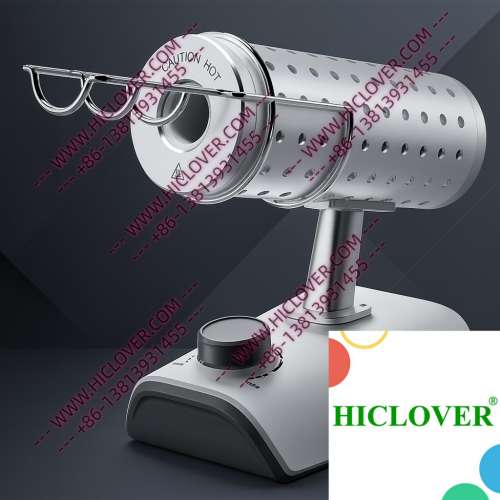
Micro Incinerators, particularly the Infrared Inoculating Loop Sterilizer, are designed to meet the precise demands of rapid thermal sterilization. Utilizing infrared heat, these devices deliver safe and effective sterilization through a contained ceramic heating chamber. Unlike traditional flame-based sterilizers, Micro Incinerators provide a flame-free operation ideal for clean-room environments—eliminating the risk of aerosol formation and maintaining a sterile workspace.
Technical Principle: How Micro Incinerators Work
At the core of the Micro Incinerator is its use of infrared heat, which delivers high temperatures necessary for effective disinfection. The enclosed ceramic tube ensures that the heat is applied evenly and efficiently, reducing energy consumption and enhancing safety. This design mitigates the risks associated with open flames while providing an optimal solution for various sterilization workflows.
Highlights of Micro Incinerators:
- Rapid Thermal Sterilization: Achieves high temperatures almost instantly.
- Contamination Control: No open flame reduces the risk of cross-contamination.
- Clean-Bench-Safe: Ideal for use within biosafety cabinets.
- Aerosol-Free Handling: Eliminates hazardous aerosolization of pathogens.
Application Scenarios of Micro Incinerators in Real Labs
Micro Incinerators can be a versatile addition to laboratory environments, particularly in:
- Biosafety Cabinets: Used in BSL-2 and BSL-3 labs for precise sterilization of inoculating loops and other instruments, vital for working with potentially harmful pathogens.
- Educational and Teaching Labs: University laboratories utilize Micro Incinerators to train students in safe handling and sterilization practices, ensuring future professionals are well-prepared for laboratory protocols.
Compliance and Environmental Impact: Standards for Laboratory Sterilization
Compliance with global standards in biosafety is crucial. Organizations, such as the World Health Organization (WHO), have set forth stringent guidelines for laboratory sterilization that emphasize the importance of proper sterilization techniques to prevent the spread of infections. Micro Incinerators align with these standards by providing an efficient, flame-free sterilization method that is safe for cleanroom operations.
Moreover, the infrared technology in Micro Incinerators not only offers exceptional sterilization but also minimizes the environmental impact when compared to traditional flame sterilizers, such as alcohol lamps and Bunsen burners. This is particularly important in Charlotte, where there is a growing emphasis on sustainable operational practices among hospitals and research facilities.
Cost Consideration: Investing in the Future of Sterilization
When evaluating the cost of investing in Micro Incinerators, consider not just the purchase price but the long-term savings in terms of efficiency, safety, and compliance. The initial investment may be higher compared to traditional sterilizers, but the benefits often outweigh these upfront costs.
Comparison: Micro Incinerators vs. Traditional Flame Sterilizers
| Feature | Micro Incinerators | Traditional Flame Sterilizers |
|---|---|---|
| Operating Method | Infrared heat, no open flame | Open flame |
| Speed of Sterilization | Rapid (<1 minute) | Slower due to heating time |
| Environmental Safety | Low risk of aerosol creation | High risk of aerosol and contamination |
| Compliance with Cleanroom Standards | Yes | No |
| Operational Cost | Lower overall | Higher due to alcohol and maintenance |
FAQs About Micro Incinerators
- What is a Micro Incinerator? A Micro Incinerator is a sterilization device that uses infrared heat for rapid and effective disinfection without an open flame.
- How does it differ from traditional sterilizers? Unlike traditional sterilizers that use flames, Micro Incinerators offer a cleaner, faster, and safer method for sterilizing laboratory instruments.
- Where can Micro Incinerators be used? They can be deployed in biosafety cabinets, educational institutions, and field testing environments, ensuring sterility during various procedures.
- Are Micro Incinerators compliant with biosafety standards? Yes, they comply with industry standards established by organizations such as the WHO.
- How long does it take to sterilize instruments with a Micro Incinerator? Most instruments can be sterilized in less than a minute.
Conclusion: Enhancing Lab Safety and Efficiency in Charlotte
Investing in Micro Incinerators, specifically designed for high-efficiency laboratory sterilization, is a step towards fostering a safer, more compliant laboratory environment in Charlotte’s healthcare and research sectors. As standards for sterilization evolve, incorporating this advanced technology not only ensures adherence to biosafety regulations but also represents a commitment to innovation and patient care. For more information or to make a purchase, please reach out to your local laboratory equipment distributor today.
Categories:
Tags: