
In the fast-paced world of laboratory research and clinical diagnostics, ensuring safety through effective sterilization is crucial. Laboratory biosafety challenges arise daily, especially in environments that deal with pathogenic organisms, where contamination control can impact not only research outcomes but also public health. Specifically, the demand for efficient sterilization workflow in biosafety rooms presents a significant challenge for laboratories across Seattle.
Understanding the Micro Incinerator / Infrared Inoculating Loop Sterilizer
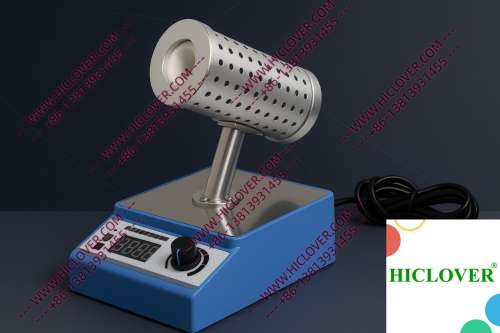
One of the most innovative solutions to address these sterilization challenges is the Micro Incinerator or Infrared Inoculating Loop Sterilizer. This advanced equipment operates using rapid thermal sterilization principles, utilizing infrared heat to achieve high-temperature disinfection. The enclosed ceramic heating chamber ensures that inoculating loops are quickly and efficiently sterilized without the risks associated with traditional flame methods.
Unlike alcohol lamps or Bunsen burners, which can produce hazardous fumes and are prone to causing burns, the infrared sterilizers provide a safer, clean-bench-safe operation. These devices significantly reduce aerosol creation during sterilization, making them ideal for use within biosafety cabinets or other controlled environments.
Applications in Real Labs
Biosafety Cabinet Utilization
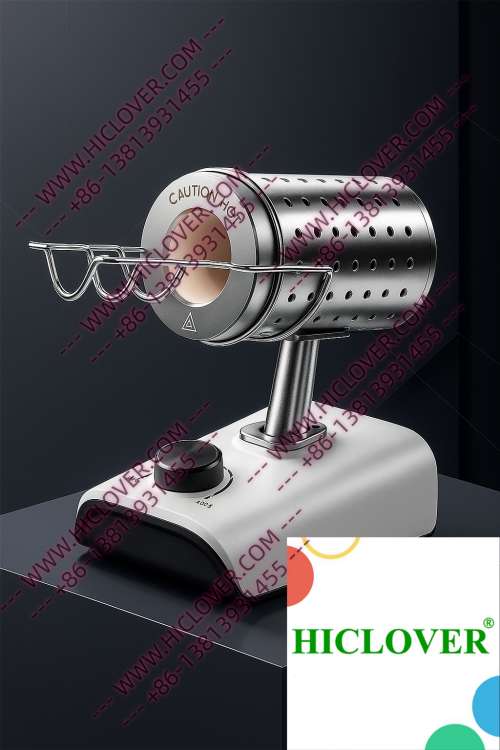
In BSL-2 and BSL-3 microbiology labs, the need for sterile environments is paramount. The Micro Incinerator is often placed within biosafety cabinets to ensure sterilization occurs without risking contamination from external sources. Users can simply insert their inoculating loops into the sterilizer, allowing them to achieve the necessary sterilization temperatures in mere seconds.
Field Testing and Teaching Labs
Field testing labs and university teaching spaces also benefit from incorporating infrared inoculating loop sterilizers into their processes. In mobile laboratories conducting rapid testing for infectious diseases, the portability of these units allows for effective utility in various settings. In educational environments, students learn sterilization techniques safely without exposure to open flames.
Compliance and Environmental Considerations
Compliance with global biosafety standards, such as those set forth by the WHO, is also a critical factor in the inspiration for using infrared inoculating loop sterilizers. Laboratory sterilization standards emphasize minimizing contamination risks while maximizing operational efficiency. With no flames involved, clean rooms are maintained without the threat of ignition, aligning with safety protocols required in modern laboratory setups.
Additionally, the environmental impact of using alcohol-based sterilizers is less compared to infrared sterilizers, which do not produce harmful emissions during operation. This aligns more closely with sustainable practices in laboratory environments.
Comparison of Sterilizers
| Feature | Micro Incinerator | Flame Burners |
|---|---|---|
| Operation Safety | High; no open flame | Moderate; risks of burns and contamination |
| Speed of Sterilization | Seconds | Varies; generally longer |
| Contamination Control | Aerosol-free | Possible aerosol generation |
| Environmentally Friendly | Yes | No |
Frequently Asked Questions
- What is the working principle of a Micro Incinerator?
It uses infrared technology to quickly heat and sterilize inoculating loops, eliminating the risk of contamination.
- Can these sterilizers be used in field testing environments?
Yes, the portability and quick operation make them suitable for field testing applications.
- How does the Micro Incinerator improve biosafety in laboratories?
By providing rapid and efficient sterilization without the risks associated with open flames, it reduces contamination and improves safety compliance.
- Are there maintenance requirements for infrared sterilizers?
Minimal; regular cleaning of the ceramic heating chamber is typically sufficient to ensure optimal performance.
- What types of labs benefit most from this sterilization equipment?
Biosafety labs, clinical diagnostics labs, teaching labs, and mobile testing units all gain efficiency and enhanced safety with the Micro Incinerator.
Conclusion
In conclusion, for laboratories in Seattle and beyond, the Micro Incinerator / Infrared Inoculating Loop Sterilizer represents a paradigm shift in laboratory sterilization practices. It not only aligns with crucial compliance and environmental guidelines but also ensures that safety protocols are upheld without compromising efficiency. Consider enhancing your lab’s sterilization capabilities today—contact us to explore our range of high-quality sterilization solutions that meet your unique laboratory needs.
Categories:
Tags: