In the ever-evolving landscape of laboratory biosafety, effective sterilization processes have become paramount. One key challenge laboratories face is ensuring that every instrument and workspace is free from microbial contamination. This imperative has led significant healthcare facilities, such as those in Memphis, to explore innovative solutions for waste management and sterilization workflows. Among the latest advancements is the micro incinerator, an essential tool revolutionizing laboratory sterilization.
The Micro Incinerator: Revolutionizing Laboratory Sterilization
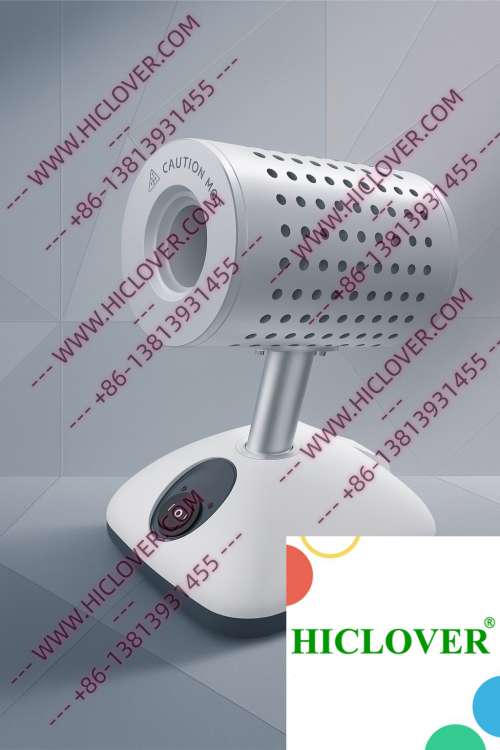
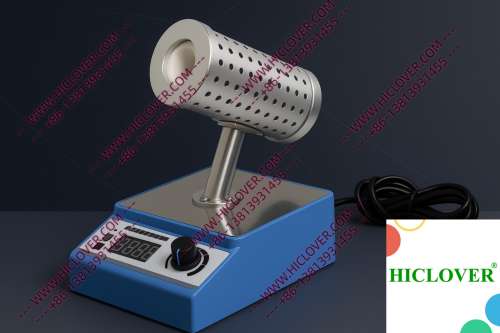
The Micro Incinerator, particularly the Infrared Inoculating Loop Sterilizer, leverages advanced technology to provide rapid thermal sterilization crucial for controlling contamination in various settings. This device utilizes infrared heat to achieve high temperatures, ensuring that your inoculating loops and other laboratory tools are sterilized efficiently and effectively.
Designed with a ceramic heating chamber and enclosed tube, the micro incinerator minimizes the risk of accidental burns and offers aerosol-free handling. By replacing traditional flame methods, it addresses several key laboratory needs—including the reduction of risk associated with open flames, especially in biosafety cabinet environments.
Comparative Analysis: Micro Incinerator vs. Traditional Flame Sterilizers
| Features | Micro Incinerator | Traditional Flame Sterilizers |
|---|---|---|
| Heating Method | Infrared | Open Flame |
| Contamination Control | High | Medium |
| Safety in Clean Spaces | Yes | Risky |
| Efficiency | Fast (typically under 10 seconds) | Slower (variable) |
| Ease of Use | User-friendly | Requires skill |
| Energy Consumption | Lower | Higher |
Application Scenarios for Micro Incinerators
Micro incinerators are not only valuable for general laboratory use; they are also tailored for specific environments and functions:
- Biosafety Cabinets: Laboratories operating at BSL-2 and BSL-3 levels utilize microbiology incubators and biosafety cabinets where a sterile environment is critical. The micro incinerator quickly sterilizes loop tools without producing harmful fumes or aerosols, ensuring greater safety and sterility.
- Field Testing: In mobile laboratory scenarios or field testing environments, portability and efficacy are paramount. Compact and easy to operate, the micro incinerator allows for on-the-go sterilization, facilitating rapid microbial testing without compromising safety.
- University Teaching Labs: Higher education institutions using the micro incinerator in teaching labs provide students with the experience of a safe and effective sterilization method. This encourages adherence to best practices in sterilization protocols.
Compliance with Global Sterilization Standards
The introduction of micro incinerators aligns with several key biosafety and sterilization standards set by organizations such as the World Health Organization (WHO). Utilizing this innovative technology helps laboratories comply unequivocally with protocols such as:
- WHO Biosafety Guidelines: These govern the safe handling of biological materials, ensuring contamination control and safe work practices.
- Laboratory Sterilization Standards: Facilities must adhere to rigorous sterilization protocols; micro incinerators excel by promoting compliance with these requirements.
- Clean Room Safety: The no-flame characteristic of micro incinerators makes them ideal for clean rooms, where any open flame poses a contamination risk.
Frequently Asked Questions (FAQs)
What is the primary advantage of using a micro incinerator over traditional flame sterilizers?
The primary advantages include enhanced safety from open flames, reduced contamination risk, and rapid thermal sterilization that promotes efficient workflow.
How does the micro incinerator ensure effective contamination control?
By utilizing infrared heat, micro incinerators achieve high temperatures rapidly, thoroughly sterilizing inoculating loops and tools while preventing the release of aerosols.
Can micro incinerators be used in field labs?
Yes, their compact and portable design makes them well-suited for mobile and field testing environments, ensuring rapid sterilization regardless of location.
Are micro incinerators compliant with WHO guidelines?
Absolutely. Micro incinerators meet various biosafety standards, helping laboratories adhere to international safety protocols for handling biological materials.
What types of laboratories most benefit from using a micro incinerator?
Biosafety level laboratories (BSL-2 and BSL-3), teaching institutions, and mobile testing labs significantly benefit from the enhanced safety, compliance, and efficiency provided by micro incinerators.
Conclusion
The growing demand for advanced laboratory sterilization methods has made the micro incinerator an indispensable tool for modern laboratories. By investing in this state-of-the-art sterilization equipment, healthcare facilities and educational institutions alike can enhance safety, ensure compliance with biosafety standards, and improve overall workflow efficiency. If you are looking to upgrade your sterilization processes with a small but mighty solution, consider reaching out to your laboratory supply distributor today to explore the benefits of micro incinerators.