
In today’s healthcare landscape, maintaining optimal biosafety standards is more critical than ever. Laboratories in Bangladeshi hospitals face various challenges in sterilization workflows, particularly during laboratory procedures where contamination control is paramount. The demand for reliable and efficient sterilization methods has led to the rising use of Micro Incinerators and Infrared Inoculating Loop Sterilizers. These advanced devices not only improve safety but also streamline the sterilization process, replacing traditional methods like Bunsen burners and alcohol lamps.
The Principle of Infrared Sterilization
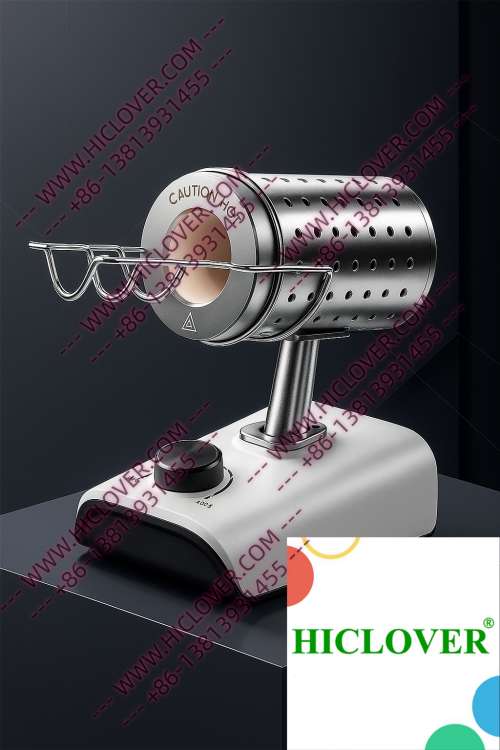
The Micro Incinerator utilizes advanced infrared heat technology, delivering rapid thermal sterilization through an enclosed ceramic heating chamber. This innovation allows the device to reach high temperatures within seconds, ensuring effective disinfection without the use of open flames. The enclosed design minimizes the risk of aerosol generation, enhancing the safety of laboratory personnel working in both BSL-2 and BSL-3 microbiology labs.
Features of Micro Incinerators
- Rapid Sterilization: Achieves temperatures of up to 800°C within moments.
- Aerosol-Free Operation: Reduces the risk of contamination and exposure to hazardous materials.
- Compact Design: Ideal for both field testing and laboratory setups.
- Low Maintenance: Durable components mean less downtime and maintenance costs.
- Energy-Efficient: Reduces energy consumption compared to traditional flame sterilizers.
- What is the main advantage of using a Micro Incinerator over traditional flame sterilizers?
Micro Incinerators provide rapid thermal sterilization without aerosol generation, ensuring a safer laboratory environment. - Are Micro Incinerators compliant with WHO guidelines?
Yes, they align with WHO biosafety recommendations, promoting safety in laboratory practices. - Can a Micro Incinerator be used in field testing?
Absolutely. Its compact design makes it suitable for both laboratory environments and mobile applications. - Is the Micro Incinerator easy to maintain?
Yes, it features durable components that require minimal maintenance compared to traditional devices. - How does the cost of Micro Incinerators compare to flame sterilizers?
While the initial investment may be higher, Micro Incinerators offer long-term savings through reduced energy consumption and maintenance needs.
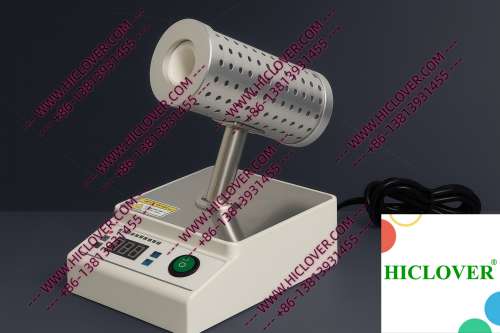
Application Scenarios: Real-Life Uses in Laboratories
Biosafety Cabinet Applications
In a controlled environment like a biosafety cabinet, the Micro Incinerator enhances workflow efficiency. After performing laboratory tasks, researchers can effortlessly sterilize inoculating loops without leaving the safety of the cabinet. This preserves the sterile environment and mitigates contamination risks during sample handling and analysis.
Teaching Laboratories
In academic institutions across Bangladesh, the Micro Incinerator serves as a reliable tool for teaching safe sterilization practices. Students can learn the principles of microbiology and laboratory safety while utilizing advanced sterilization methods. This not only instructs them on essential lab skills but also prepares them for modern laboratory environments in clinical diagnostics and research.
Compliance and Environmental Considerations
Compliance with international biosafety standards is crucial for any healthcare laboratory, especially in developing countries like Bangladesh. The World Health Organization (WHO) recommends stringent guidelines to ensure safety during laboratory procedures, particularly in the context of using BSL-2 and BSL-3 practices. The use of Micro Incinerators aligns with these guidelines by eliminating the hazards associated with open flame sterilization, which can create aerosols in cleanrooms and other sensitive areas.
Moreover, many hospitals and laboratories are transitioning to greener practices. With no open flames, Micro Incinerators also minimize energy waste and contribute to a lower carbon footprint when compared to traditional sterilizing methods. As healthcare infrastructures shift toward sustainable practices, these devices play a significant role in achieving compliance and environmental objectives.
Comparative Analysis: Micro Incinerator vs. Flame Burners
| Feature | Micro Incinerator | Flame Burners |
|---|---|---|
| Heating Method | Infrared, Ceramic | Open Flame |
| Sterilization Time | Seconds | Variable |
| Aerosol Generation | No | Yes |
| Energy Efficiency | High | Variable |
| Maintenance | Low | High (requiring fuel and components) |
Frequently Asked Questions
Conclusion
The transition from traditional flame sterilizers to advanced Micro Incinerators in Bangladeshi hospitals and laboratories signifies a pivotal shift in laboratory safety and sterilization efficiency. As healthcare providers seek to elevate their biosafety standards, investing in modern sterilization equipment like the Infrared Inoculating Loop Sterilizer will provide substantial benefits in workflow, compliance, and safety. For more information on procuring high-quality Micro Incinerators for your facility, contact us today!
Categories:
Tags: