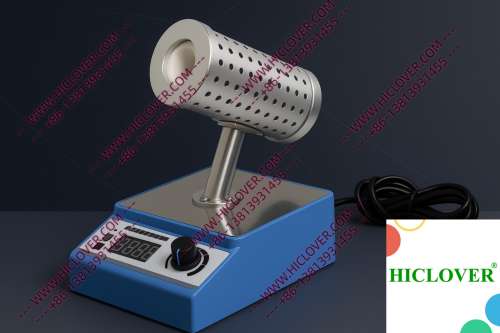
In the fast-paced environment of modern laboratories, maintaining optimal biosafety standards while ensuring efficient sterilization workflow has never been more critical. Laboratories in Kansas City, ranging from clinical diagnostics to university teaching facilities, face increasing challenges in contamination control. One effective solution that stands out in reliable laboratory sterilization equipment is the Micro Incinerator, specifically the Infrared Inoculating Loop Sterilizer. This innovative device addresses the biosafety needs of diverse research and educational settings, promoting safe and efficient laboratory practices.
Advantages of the Micro Incinerator Over Traditional Flame Sterilizers
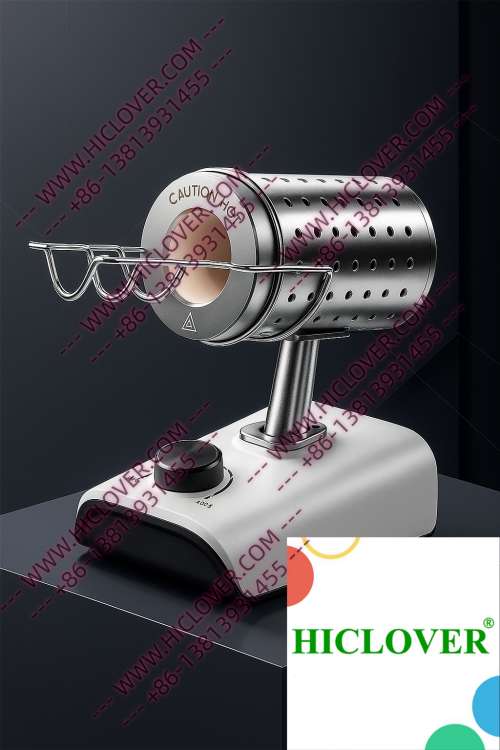
When discussing laboratory sterilization methods, traditional flame sterilizers such as Bunsen burners and alcohol lamps have long been the go-to option for researchers. However, recent advancements point to infrared sterilizers, such as the Micro Incinerator, as a superior alternative. Below are some of the benefits of using an Infrared Inoculating Loop Sterilizer:
- Rapid Thermal Sterilization: The Micro Incinerator utilizes infrared heat technology, which allows for faster sterilization of tools and surfaces.
- Enclosed Ceramic Heating Chamber: Unlike open flames, the contained design minimizes the risk of airborne contamination and enhances user safety.
- Aerosol-Free Handling: This feature helps prevent the release of harmful pathogens into the laboratory environment.
- Consistency and Reliability: Infrared sterilizers deliver uniform heating, ensuring every part of the inoculating loop reaches the required temperature for effective sterilization.
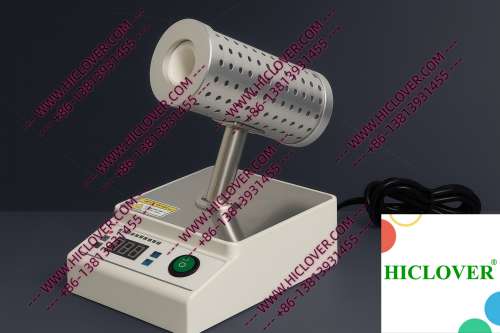
Applications of the Micro Incinerator in Kansas City Labs
Different laboratory environments have varied sterilization needs. The Micro Incinerator proves versatile across several applications:
Biosafety Cabinets
In BSL-2 and BSL-3 laboratories, where pathogenic organisms are handled, strict adherence to sterilization protocols is imperative. The Micro Incinerator is compact and can be easily positioned within biosafety cabinets. This ensures that all inoculating loops and tools are sterilized without the risk of flame exposure or cross-contamination.
Field Testing and Mobile Labs
When performing testing outside of traditional laboratory settings, mobility and efficiency are crucial. The lightweight design of the Micro Incinerator makes it an excellent choice for mobile or field testing labs. Researchers can sterilize loops quickly in various environments, such as during ecological studies or medical outreach programs, providing them with reliable contamination control.
Compliance with Biosafety Standards
Operational compliance is a crucial aspect of laboratory safety. The World Health Organization (WHO) emphasizes that labs handling infectious materials must adhere to strict biosafety protocols, which include proper sterilization methods. The Micro Incinerator complies with these recommendations, eliminating the hazards associated with open flames, particularly in cleanroom environments where no flame is permitted.
| Micro Incinerator | Flame Sterilizers |
|---|---|
| Rapid sterilization with infrared technology | Variable heating time, longer wait required |
| Minimized risk of cross-contamination | Open flames can spread airborne contaminants |
| Aerosol-free handling | Aerosol generation risk present |
| Compact and portable for field use | Bulkier and generally less mobile |
Frequently Asked Questions
1. What is the principle behind the operation of the Micro Incinerator?
The Micro Incinerator operates on the principle of infrared heating, utilizing a ceramic heating chamber to provide high-temperature disinfection without the necessity of an open flame.
2. Can the Micro Incinerator be used in a BSL-3 lab?
Yes, the Micro Incinerator is suitable for BSL-3 and BSL-2 labs, where strict sterilization protocols are essential for handling pathogenic organisms.
3. How does the Micro Incinerator improve biosafety in universities?
By providing a flame-free method of sterilization, the Micro Incinerator enhances the safety of laboratory training environments, reducing the risk of burns and contaminations among students.
4. What maintenance is required for the Infrared Inoculating Loop Sterilizer?
Routine cleaning of the ceramic heating chamber and inspecting the electrical components ensure optimal performance and longevity.
5. How long does it take to achieve sterilization with the Micro Incinerator?
Typically, the sterilization process is completed in a matter of seconds, significantly faster than traditional flame methods.
Conclusion
In summary, the importance of adopting advanced laboratory sterilization techniques cannot be overstated, particularly in the context of Kansas City’s diverse laboratory landscape. The Micro Incinerator stands out as an efficient, safe, and compliant solution suitable for various applications. Investing in such state-of-the-art equipment not only ensures biosafety but also significantly improves workflow efficiency. For laboratories committed to maintaining high standards of sterilization, the Micro Incinerator is undoubtedly a worthy addition. Reach out today to explore your options and elevate your laboratory’s safety protocols!
Categories:
Tags: