
The demand for effective biosafety solutions in laboratory settings has reached critical levels, particularly in the large metropolitan area of Atlanta, known for its advanced healthcare institutions and research facilities. Medical labs face significant challenges in maintaining sterilization protocols and ensuring that biohazard waste is managed in a compliant and safe manner. This is where the revolutionary Micro Incinerator and Infrared Inoculating Loop Sterilizer come into play, providing an effective answer to the growing need for improved laboratory sterilization equipment.
Addressing Biosafety Challenges
In microbiology labs, particularly those categorized as Biosafety Level 2 (BSL-2) and Biosafety Level 3 (BSL-3), traditional sterilization methods using open flames, such as alcohol lamps and Bunsen burners, pose safety risks and compliance challenges. These methods can produce aerosols, creating contamination risks in sensitive environments. Furthermore, they may not meet stringent lab sterilization standards mandated by organizations like the WHO.
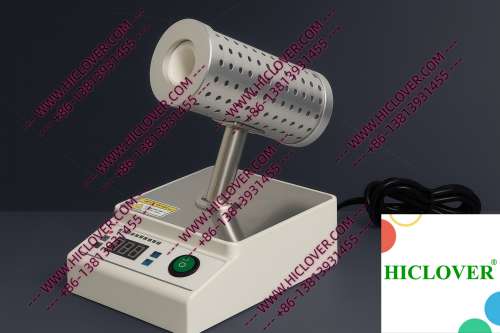
In response to these concerns, the Micro Incinerator offers a portable and enclosed solution that utilizes infrared high-temperature disinfection. This equipment ensures rapid thermal sterilization without the hazards associated with flame-based methods.
Technical Aspects of Micro Incinerators
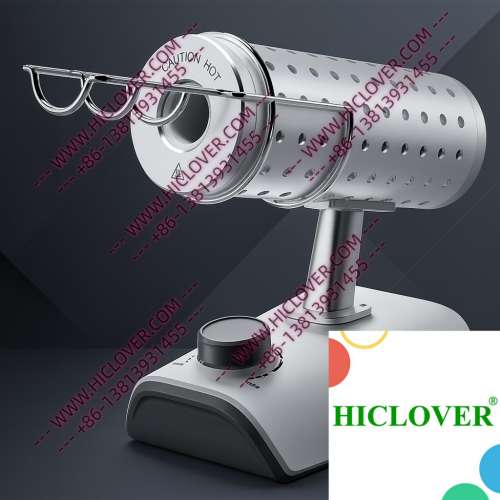
The Micro Incinerator operates using an enclosed ceramic heating chamber that delivers upwards of 800°C. This feature allows for the effective sterilization of inoculating loops, needles, and other lab tools without the risk of contamination or fire hazards. The infrared technology provides immediate heating and cooling, which significantly enhances workflow efficiency in busy laboratory settings.
Key Features of the Micro Incinerator
- High temperature disinfection capability (up to 800°C)
- Compact, portable design suitable for various lab environments
- Quick heat-up and cool-down times for rapid turnaround
- Aerosol-free operation for enhanced safety
- Enclosed design to prevent cross-contamination
Real-World Applications
Let’s explore some application scenarios where Micro Incinerators are making a notable impact:
1. Biosafety Cabinets
In BSL-2 and BSL-3 labs, where biological agents might be handled, the Micro Incinerator can be integrated within biosafety cabinets. This allows technicians to sterilize tools without the risk of generating aerosols, thus ensuring a clean and safe working environment. The rapid heat-up capabilities of the Micro Incinerator allow for a seamless workflow without compromising safety protocols.
2. Teaching Labs
University teaching labs often require reliable sterilization devices that meet educational standards while ensuring student safety. Using the Micro Incinerator not only demonstrates advanced sterilization technology but also instills proper sterilization practices in future scientists. Its user-friendly operation and compact nature are particularly beneficial in academic settings where multiple experiments are conducted simultaneously.
Compliance and Environmental Standards
With increasing regulations around laboratory safety, compliance with lab sterilization standards has never been more critical. The WHO has put forth guidelines that stipulate the need for efficient biohazard waste management and sterilization methods, especially in labs dealing with pathogenic organisms. The Micro Incinerator aligns perfectly with these requirements, providing a clean, flame-free solution that adheres to biosafety protocols.
Moreover, as clean rooms require stringent controls to avoid contamination, the absence of open flames greatly enhances safety and compliance. The Micro Incinerator’s design ensures that it can be used without concern for residual contamination from traditional flame sterilizers.
Comparative Insights: Micro Incinerator vs. Flame Burners
| Feature | Micro Incinerator | Flame Burners |
|---|---|---|
| Safety | Enclosed, aerosol-free | Open flame, risk of burns |
| Efficiency | Rapid heat-up & sterilization | Slower, time-consuming |
| Portability | Compact & easy to transport | Generally bulkier |
| Contamination Control | Prevents cross-contamination | Higher risk of contamination |
| Compliance | Meets WHO lab standards | Might not meet current safety guidelines |
Frequently Asked Questions (FAQ)
What is the ideal temperature range for the Micro Incinerator?
The Micro Incinerator operates efficiently at temperatures reaching up to 800°C, making it highly effective for sterilizing laboratory equipment.
Can the Micro Incinerator be used in field testing laboratories?
Yes, its portable design allows easy transportation and use in both controlled lab environments and field testing scenarios.
How does the Micro Incinerator improve workflow in busy laboratories?
By providing rapid heating and cooling times, the Micro Incinerator allows lab technicians to sterilize tools quickly, thereby enhancing overall laboratory efficiency.
Is the Micro Incinerator compliant with WHO biosafety regulations?
Absolutely. The Micro Incinerator is designed to meet or exceed the biosafety and sterilization guidelines set forth by WHO, ensuring compliance in demanding laboratory environments.
What advantages does the Micro Incinerator have over traditional flame sterilizers?
It is safer, more efficient, and prevents contamination, making it a superior choice for modern laboratory sterilization needs.
Conclusion
As the landscape of laboratory biosafety continues to evolve, the adoption of innovative solutions like the Micro Incinerator is becoming essential. By addressing critical sterilization challenges, enhancing workflow efficiency, and ensuring compliance with vital safety standards, this advanced sterilization equipment is setting a new benchmark in laboratory practices.
For hospitals, universities, and research centers looking to improve their biosafety protocols, investing in the Micro Incinerator is a smart choice. It not only protects the health of personnel but also upholds the integrity of laboratory work. Contact us today to learn more or to make a purchase!
Categories:
Tags: