
In the diverse landscape of laboratory work, biosafety challenges frequently arise, especially in specialized sectors such as microbiology and clinical diagnostics. Ensuring contamination control while maintaining an efficient sterilization workflow is paramount. With increasing biosafety standards and stringent sterilization demands, traditional sterilization methods, like Bunsen burners and alcohol lamps, are becoming inadequate. One innovative solution transforming waste management in laboratories is the Micro Incinerator, specifically the Infrared Inoculating Loop Sterilizer, renowned for its rapid thermal sterilization capabilities.
Technical Principles of Micro Incinerators
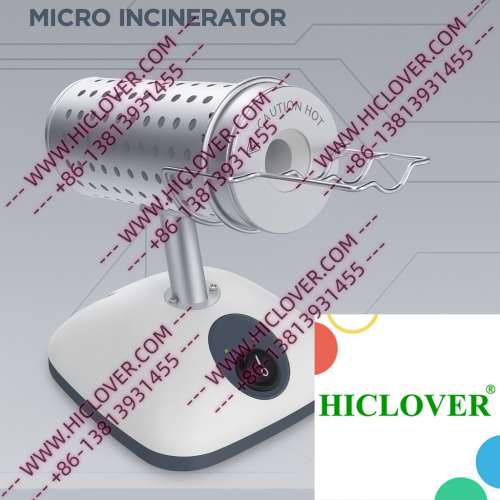
Micro Incinerators utilize infrared heat technology within a well-designed enclosed ceramic heating chamber. This configuration allows for consistent high-temperature disinfection without the hazards commonly associated with open flames. The uniqueness of this system lies in its clean-bench-safe operation, which minimizes the risk of aerosolization or cross-contamination during the sterilization process.
Infrared sterilization works by delivering direct heat to the instruments, quickly raising their temperature to effectively eliminate pathogens and microbes without creating harmful emissions. This not only adheres to safety standards but also enhances overall laboratory efficiency.
Application Scenarios in Laboratory Settings
Micro Incinerators are versatile tools that can be used across various laboratory environments. Here are two notable application scenarios:
1. Biosafety Cabinets
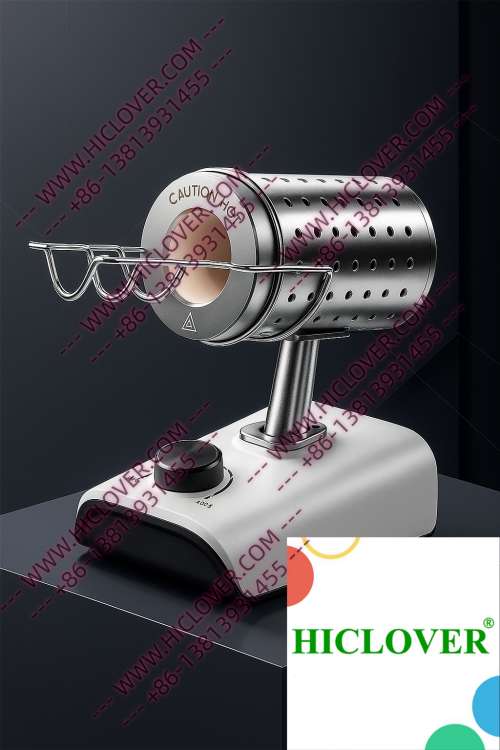
In BSL-2 and BSL-3 microbiology labs, the use of a Micro Incinerator within a biosafety cabinet is fundamental for maintaining sterility during sample handling. The sterilizer provides a controlled heat source, ensuring that inoculating loops and other tools can be rapidly disinfected within a contained space. This effectively eliminates the risk of contamination while making certain that the entire procedure remains compliant with WHO biosafety standards.
2. Teaching Labs
University teaching labs benefit significantly from integrating Micro Incinerators into their curriculum. Instructors can demonstrate sterilization techniques without the hazards associated with flames, allowing students to observe safe and effective processes in real-time. The accessibility of rapid thermal sterilization promotes an educational experience that emphasizes both safety and efficiency.
Compliance and Environmental Considerations
Compliance with laboratory sterilization standards is critical in maintaining operational integrity. Various regulatory agencies, such as the WHO, mandate strict adherence to biosafety protocols. In particular, using flame sterilizers in clean rooms is discouraged due to the potential for igniting hazardous materials or generating aerosols.
- Infrared sterilizers provide an aerosol-free solution, significantly reducing occupational health risks.
- They align with environmental safety norms, minimizing the emission of harmful fumes.
- Efficient energy consumption offsets operational costs, making them a sustainable choice.
Comparison: Micro Incinerators vs. Traditional Flame Burners
| Feature | Micro Incinerators | Flame Burners |
|---|---|---|
| Safety | No flame, reduced risk of fire | Open flame, increased fire hazard |
| Speed | Rapid thermal sterilization | Variable, often slower |
| Contamination Control | Aerosol-free handling | Risk of aerosol generation |
| Energy Efficiency | Low energy consumption | Higher energy use |
Frequently Asked Questions
1. How does a Micro Incinerator enhance laboratory safety?
The Micro Incinerator eliminates the risk of open flames, ensuring safer operations within sensitive laboratory environments.
2. Can Micro Incinerators be used in field testing scenarios?
Absolutely! Their portable design makes them ideal for mobile testing labs, facilitating sterilization in various field conditions.
3. What standards do Micro Incinerators meet for biosafety?
Micro Incinerators comply with various biosafety standards, including those set forth by WHO, ensuring a high level of safety for laboratory personnel.
4. Are Micro Incinerators cost-effective in the long term?
Yes, due to their energy efficiency and reduced operational hazards, Micro Incinerators can provide substantial cost savings over time.
5. What types of laboratories benefit the most from using Micro Incinerators?
BSL-2 and BSL-3 labs, clinical diagnostics facilities, and university teaching labs are among the primary beneficiaries of Micro Incinerator technology.
Conclusion
The introduction of Micro Incinerators, particularly the Infrared Inoculating Loop Sterilizer, marks a significant evolution in laboratory sterilization practices. With its innovative technology, safety features, and compliance with biosafety standards, it is a prime solution for laboratories in New Orleans and beyond. As the demand for cleaner, safer, and more effective sterilization methods grows, integrating Micro Incinerators could be the future of lab waste management and sterilization. If you are ready to revolutionize your laboratory’s sterilization process, please get in touch with us today to learn more about our offerings.
Categories:
Tags: