
In the fast-paced environment of medical and research laboratories, maintaining biosafety while ensuring workflow efficiency is a crucial challenge. Laboratories, especially those in Wichita, are constantly faced with the demands of effective sterilization protocols to prevent contamination and support reliable results. Among the various sterilization methods available, the Micro Incinerator / Infrared Inoculating Loop Sterilizer has emerged as a favored solution due to its rapid thermal sterilization capabilities.
Technical Principles Behind the Micro Incinerator
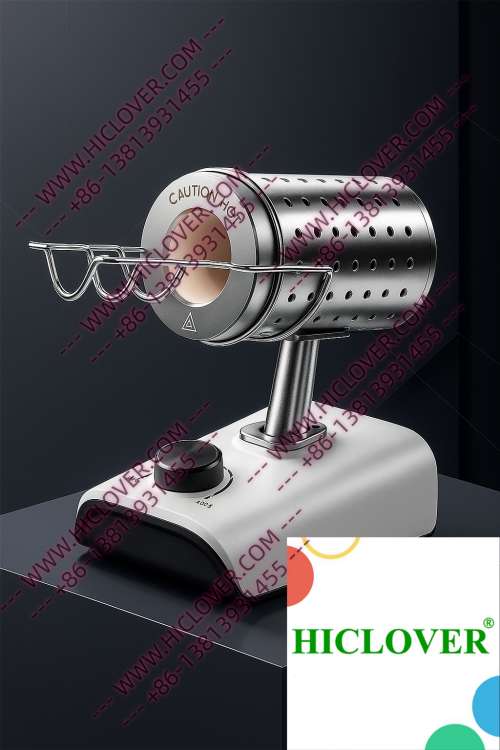
The Micro Incinerator employs an innovative design that incorporates infrared heat within an enclosed ceramic tube. This technology achieves high temperatures rapidly, allowing for effective and efficient disinfection of inoculating loops and other small instruments. Unlike traditional flame sterilizers such as alcohol lamps or Bunsen burners, the infrared design minimizes aerosol generation, thus significantly reducing contamination risks in sensitive environments.
This sterile technique is ideal for a range of laboratory applications where precision and safety are paramount. The compact size of the Micro Incinerator also lends itself well to integration into various settings, including BSL-2 and BSL-3 microbiology labs where biosafety measures are strictly enforced.
Application Scenarios in Modern Labs
1. Biosafety Cabinets
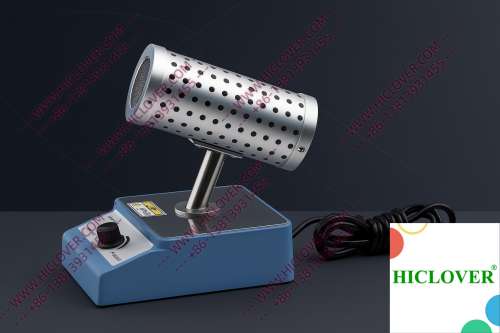
Biosafety cabinets serve as the first line of defense in preventing contamination in clinical diagnostics labs. The Micro Incinerator can be utilized within these cabinets, ensuring that sterilization is conducted in a controlled environment, minimizing the risk of aerosolized pathogens. This enclosed setting allows laboratory personnel to efficiently sterilize inoculating loops while maintaining overload airflow safety, which is critical for BSL-2 procedures.
2. University Teaching Labs
In educational settings, teaching labs often incorporate sterilization methods in hands-on microbiology courses. The Micro Incinerator provides students with a safe and effective means of learning sterilization techniques without the hazards associated with open flames. Its straightforward operation facilitates rapid sterilization intervals, allowing for uninterrupted instructional time and more engaging lab sessions.
Compliance and Environmental Considerations
Compliance with international biosafety standards is indispensable in laboratory environments. The World Health Organization (WHO) has established stringent guidelines for sterilization to mitigate contamination risks, especially in labs handling pathogenic microorganisms. The Micro Incinerator meets these standards with its flame-free design, which is conducive to clean rooms and sensitive environments where traditional flame tools are prohibited.
- Aerosol-free handling prevents the spread of airborne pathogens.
- Rapid thermal sterilization reduces the time required for sterilization, enhancing workflow efficiency.
- Adherence to biosafety cabinet requirements ensures a safe working environment for laboratory personnel.
In addition to compliance with biosafety standards, the Micro Incinerator has a minimal environmental impact due to reduced energy consumption and production of hazardous waste compared to traditional methods. Innovative technology minimizes the risks posed to laboratory personnel, reinforcing the importance of selecting appropriate sterilization equipment.
Advantages Over Traditional Flame Sterilizers
The benefits of the Micro Incinerator are evident when compared to conventional flame sterilizers. Below is a concise comparison to highlight the advantages:
| Feature | Micro Incinerator | Flame Sterilizers |
|---|---|---|
| Temperature Control | Precise infrared heating | Variable and less predictable |
| Aerosol Generation | No aerosols | Aerosol production risk |
| Energy Efficiency | Lower energy usage | Higher energy consumption |
| User Safety | Minimized fire hazards | Open flame hazards |
FAQs
What is a Micro Incinerator?
A Micro Incinerator is a laboratory device designed for rapid thermal sterilization of inoculating loops and other small instruments using infrared technology.
How does a Micro Incinerator improve lab safety?
By eliminating open flames, the Micro Incinerator reduces the risk of fire hazards and aerosol generation, making it safer for laboratory personnel and maintaining a sterile environment.
Can the Micro Incinerator be used in field testing?
Yes, its compact and portable design makes the Micro Incinerator suitable for field applications where rapid sterilization is needed without compromising safety.
Is a Micro Incinerator compliant with WHO guidelines?
Yes, the Micro Incinerator meets international biosafety standards, making it an ideal choice for labs operating under WHO regulations.
What are the maintenance requirements for a Micro Incinerator?
The Micro Incinerator requires minimal maintenance, primarily involving regular cleaning of the ceramic tube to ensure optimal performance.
Conclusion
As laboratories in Wichita and beyond continue to prioritize safety and efficiency, the Micro Incinerator / Infrared Inoculating Loop Sterilizer stands out as an essential piece of equipment. Its innovative design not only satisfies stringent compliance requirements but also enhances laboratory workflow and safety protocols. For those seeking to improve their sterilization processes and reduce risks, exploring the benefits of the Micro Incinerator would be a worthy investment. Reach out today to discover how you can elevate your laboratory’s sterilization standards with cutting-edge technology!
Categories:
Tags: