
In modern laboratories, biosafety is paramount. With increasing demands for effective sterilization workflows and the necessity of contamination control, the rise of innovative technologies has dramatically transformed sterilization practices. One such breakthrough is the Micro Incinerator, specifically designed for rapid thermal sterilization and safety in laboratory settings. Stockton Hospital’s introduction of this advanced sterilization equipment exemplifies cutting-edge biosafety solutions that meet both operational and regulatory standards.
Laboratory Biosafety Challenges
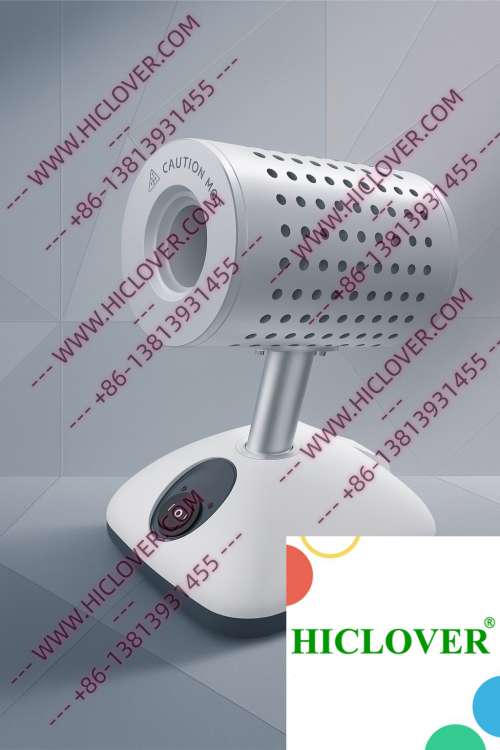
Every laboratory faces unique biosafety challenges, especially when managing hazardous biological materials. Traditional methods, such as alcohol lamps and Bunsen burners, while prevalent for sterilization, pose risks of open flames that can lead to fires, especially in clean rooms and BSL-2 (Biosafety Level 2) environments. Moreover, these methods are not always efficient in terms of speed or thoroughness, leading to potential contamination.
Stockton Hospital recognized these challenges and introduced the Micro Incinerator, a compact and efficient solution that enhances operational workflows while prioritizing safety. Unlike flame-based sterilizers, this innovative device utilizes infrared technology for rapid and effective disinfection, providing a safer alternative in various laboratory setups.
Technical Principles of the Micro Incinerator
The Micro Incinerator operates using a unique configuration that incorporates an enclosed ceramic heating chamber. This design allows for infrared high-temperature disinfection, effectively eliminating contaminants without the hazards associated with open flames. The infrared heat quickly sterilizes inoculating loops and other small tools, achieving peak temperatures within seconds, thereby ensuring efficient workflow.
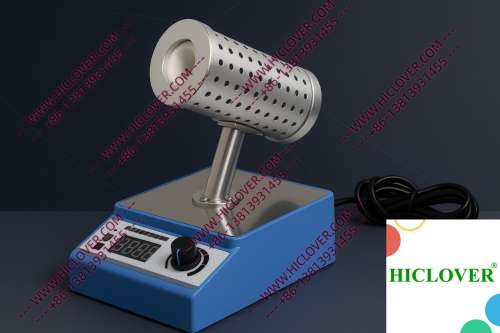
Furthermore, the ceramic tube’s construction offers exceptional durability and thermal stability, allowing for consistent performance across varying operating conditions. This ensures that even in fields like clinical diagnostics and microbiology, professionals can depend on the Micro Incinerator for reliable sterilization.
Applications in Real Labs
Biosafety Cabinets
In biosafety cabinets, maintaining a sterile environment is critical. The Micro Incinerator fits seamlessly into these settings, providing aerosol-free handling and clean-bench-safe operation. Laboratories conducting research on pathogenic organisms can use this device to ensure that all instruments remain uncontaminated while minimizing the risk of exposure to hazardous materials.
Teaching Labs
In a university’s teaching lab, the Micro Incinerator serves as an invaluable tool for students learning laboratory best practices. With its intuitive operation and rapid sterilization capabilities, it allows students to focus on learning without the distractions and dangers associated with traditional flame sterilizers. This not only enhances the educational experience but also instills safety culture in future laboratory professionals.
Compliance and Environmental Considerations
Compliance with international biosafety guidelines, such as those provided by the World Health Organization (WHO), is vital for laboratory operations. The Micro Incinerator adheres to stringent laboratory sterilization standards, ensuring that laboratories meet safety regulations without compromising operational efficiency.
Additionally, this equipment is designed to operate without open flames, making it ideal for clean rooms and sensitive environments. By mitigating risks associated with aerosol generation and combustion, laboratories can maintain cleaner air quality and reduce the likelihood of contamination incidents, which is particularly important for operations involving CO₂ incubators or anaerobic chambers.
Comparison of Micro Incinerator vs. Traditional Flame Burners
| Feature | Micro Incinerator | Traditional Flame Burners |
|---|---|---|
| Operational Safety | No open flame, reduced fire risk | Open flame, higher fire risk |
| Heating Method | Infrared heat | Combustion |
| Speed of Sterilization | Rapid thermal sterilization | Variable, can be slower |
| Portability | Compact, easy to use | Less portable |
| Aerosol Generation | None | Potential aerosol generation |
Frequently Asked Questions
- What is the Micro Incinerator used for?
The Micro Incinerator is widely used in laboratories for sterilizing inoculating loops and other small instruments, ensuring rapid thermal sterilization and contamination control.
- How does infrared heating work in the Micro Incinerator?
The Micro Incinerator uses infrared technology to achieve high temperatures quickly, effectively displacing the need for traditional flame sterilization methods.
- Is the Micro Incinerator safe to use in biosafety cabinets?
Yes, the Micro Incinerator is designed for use in biosafety cabinets, providing a safe and efficient sterilization method without generating aerosols.
- Why should I choose a Micro Incinerator over a traditional flame sterilizer?
The Micro Incinerator offers significant advantages, including enhanced safety, rapid sterilization, and reduced contamination risk, making it ideal for modern laboratory operations.
- What industries benefit the most from this sterilization technology?
Industries such as clinical diagnostics, research institutions, and university teaching labs greatly benefit from the innovative features of the Micro Incinerator.
Conclusion
With the advent of the Micro Incinerator at Stockton Hospital, laboratories can significantly improve their biosafety standards and sterilization workflows. This state-of-the-art sterilization equipment not only meets compliance with international regulations but also provides a safe and efficient alternative to traditional flame-based sterilizers. For laboratory supply distributors, hospitals, universities, and research centers looking to elevate their sterilization practices, investing in a Micro Incinerator is a forward-thinking choice. Contact us today to learn more about procurement options!
Categories:
Tags: