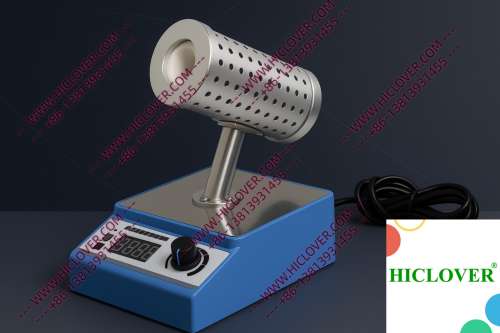
Laboratories face a multitude of biosafety challenges, particularly when addressing contamination control during critical sterilization workflows. The demand for reliable sterilization equipment has never been higher, particularly in environments handling pathogens, such as BSL-2 and BSL-3 microbiology labs. One instrumental device in maintaining a contamination-free environment is the Micro Incinerator, also known as Infrared Inoculating Loop Sterilizers, which supersede traditional flame sterilizers. This article explores the technical principles, application scenarios, and compliance standards surrounding these sophisticated sterilization solutions.
Understanding the Technical Principles of Micro Incinerators
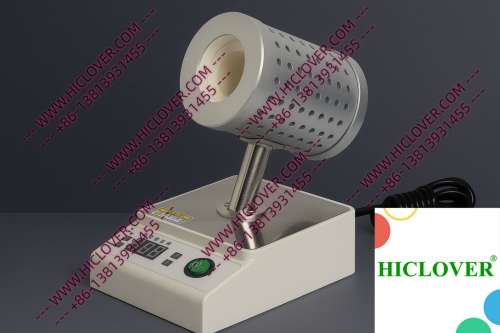
The Micro Incinerator operates using a principle of rapid thermal sterilization, harnessing infrared heat to achieve high-temperature disinfection. With an enclosed ceramic heating chamber, this device creates an efficient space for sterilization without the risk of aerosol generation often associated with flame-based methods.
Feature Overview
- Rapid Heating: The infrared technology quickly reaches optimal temperatures, ensuring the effective destruction of biological material on inoculating loops, needles, and other laboratory instruments.
- Contamination Control: Enclosed design limits exposure and the risk of cross-contamination in sensitive lab environments.
- Clean-Bench-Safe Operation: Micro Incinerators can be utilized in biosafety cabinets and clean benches without compromising air quality.
- Aerosol-Free Handling: Unlike traditional flame systems, these devices eliminate aerosolization, enhancing safety for lab personnel.
- No flame operation, which is vital for clean rooms and biosafety cabinets, in accordance with strict laboratory protocols.
- Effective sterilization without producing hazardous byproducts, promoting a safer environmental profile.
- What are the benefits of using a Micro Incinerator over a traditional flame sterilizer?
Micro Incinerators provide faster heating, reduced risk of contamination, and cleaner operational environments, making them safer and more efficient for lab workers.
- Can Micro Incinerators be utilized in a BSL-3 laboratory?
Yes, they are suitable for BSL-3 labs as they comply with safety standards, reducing fire hazards and contamination risks.
- How does the infrared heat work in the Micro Incinerator?
The device utilizes infrared technology to rapidly generate heat, effectively sterilizing instruments within a few seconds.
- Are there specific maintenance requirements for the Micro Incinerator?
Regular cleaning of the ceramic chamber and ensuring that the heating element is functioning efficiently enhances its lifespan.
- What kind of materials can be sterilized using a Micro Incinerator?
Generally, most laboratory instruments like inoculating loops, needles, and glassware can be safely sterilized.
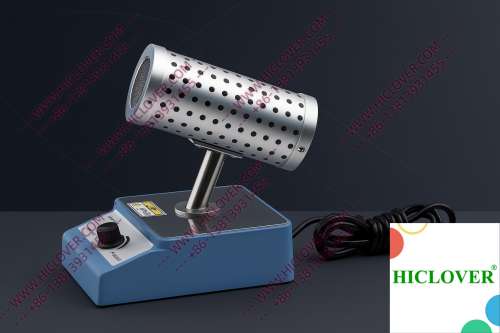
Applications of Micro Incinerators in Laboratory Settings
The versatility of Micro Incinerators makes them suitable for a range of laboratory contexts. Here are two prominent application scenarios illustrating their importance:
1. University Teaching Labs
In educational institutions, teaching labs are integral for training future scientists. Micro Incinerators provide students with hands-on experience in safe sterilization practices. Being flame-free, these devices allow for a controlled learning environment where learners can focus on proper laboratory techniques without the inherent risks of open flames.
2. Field Testing and Clinical Diagnostics
In mobile or field testing labs, particularly those operating in rural or resource-limited contexts, the portability and efficiency of Micro Incinerators become invaluable. These units can be easily transported and set up in multiple locations where traditional gas or electrical infrastructure is lacking. Field researchers can sterilize their tools rapidly, thus minimizing the risk of cross-contamination when sampling from various sites.
Compliance and Environmental Considerations
Meeting biosafety standards is crucial for labs handling pathogenic microorganisms. Regulatory bodies like the World Health Organization (WHO) have established biosafety and sterilization standards to ensure laboratory practices mitigate risks of exposure and contamination. Micro Incinerators align well with these standards:
Incorporating such solutions also aids laboratories in meeting the necessary compliance required under local health regulations, especially in regions like the European Union, where compliance can determine funding and operational capacity.
Comparative Analysis: Micro Incinerator vs. Traditional Flame Burners
| Feature | Micro Incinerator | Traditional Flame Burner |
|---|---|---|
| Operating Temperature | Up to 850°C | Variable, dependent on fuel |
| Risk of Contamination | Minimal | Higher due to possible aerosol generation |
| Portability | High | Limited due to fuel requirements |
| Environmentally Safe | Yes | No, due to fumes and residuals |
Frequently Asked Questions (FAQs)
Conclusion
In conclusion, the integration of Micro Incinerators into specific laboratory environments, including Chandler biosafety cabinets, can greatly enhance laboratory safety workflows and sterilization practices. As the need for contamination control and compliance grows, so does the importance of adopting advanced sterilization equipment. To learn more about how the Micro Incinerator can benefit your laboratory, or to make a purchase, please contact us to explore your options today.
Categories:
Tags: