
The growing demand for enhanced laboratory biosafety protocols and efficient sterilization workflows has highlighted the critical role of reliable sterilization equipment in healthcare. In Nepal’s hospitals, where rigorous contamination control is paramount, these challenges are becoming increasingly evident. As pathogenic threats evolve and laboratory practices become more complex, implementing advanced sterilization techniques becomes essential to protect both staff and patients.
Understanding Infrared Inoculating Loop Sterilizers
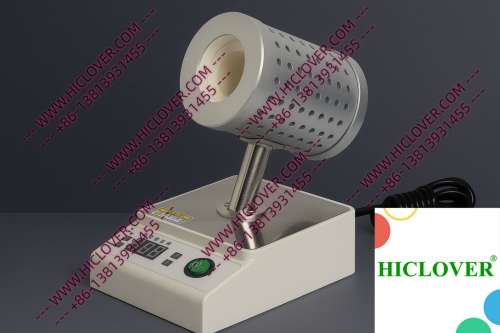
At the heart of modern sterilization technology is the Micro Incinerator, also known as the Infrared Inoculating Loop Sterilizer. This innovative device harnesses the principles of infrared heating to achieve rapid thermal sterilization. Unlike traditional flame sterilizers, such as alcohol lamps or Bunsen burners, the Micro Incinerator employs a closed ceramic tube that focuses intense, localized heat without the risk associated with open flames. This design not only minimizes fire hazards but also enhances safety in cleanroom environments.
Technical Principles of Operation
The Micro Incinerator operates through an infrared heating element that can reach temperatures exceeding 800°C. This high-temperature disinfection capability ensures effective eradication of bacteria and other microorganisms on inoculating loops and other lab tools. The enclosed design of the ceramic heating chamber eliminates the release of aerosols, making it an optimal choice for biosafety labs and clinical settings. Furthermore, the lightweight and portable configuration of the device allows for streamlined use across various laboratory environments.
Application Scenarios in Nepalese Laboratories
1. Clinical Diagnostic Labs
In clinical diagnostic labs across Nepal, where timely results are essential for patient care, the Micro Incinerator has proven invaluable. Technicians can quickly sterilize their inoculating loops between different samples, ensuring that cross-contamination is effectively controlled. This rapid sterilization is crucial in handling sensitive specimens, especially in high-stakes environments, leading to improved diagnostics and faster patient outcomes.
2. University Teaching Labs
In university laboratories, the use of the Micro Incinerator in educational settings fosters a strong culture of safety and hygiene among students. During microbiology experiments, students can safely sterilize their inoculating loops as part of the learning process, providing hands-on experience with advanced laboratory equipment. This practice not only emphasizes proper sterilization techniques but also aligns with academic standards for biosafety, preparing students for future professional requirements in BSL-2 and BSL-3 labs.
Compliance with Biosafety Standards
As the medical landscape evolves, adherence to internationally recognized guidelines is essential. The World Health Organization (WHO) outlines strict biosafety standards for handling pathogens, emphasizing the need for sterilization methods that prevent contamination and ensure laboratory safety. The Micro Incinerator aligns with these standards by providing a no-flame solution, reducing risks associated with airborne pathogens and flammable materials in cleanroom settings.
- WHO Biosafety Guidelines: The Micro Incinerator meets WHO standards for safe sterilization practices.
- Environmental Considerations: Its efficiency reduces wasted materials and energy consumption, promoting eco-friendly lab operations.
- Compliance with Local Regulations: Adaptable to the regulatory frameworks specific to Nepal’s healthcare system.
Comparison: Micro Incinerator vs. Flame Burners
| Feature | Micro Incinerator | Flame Burners |
|---|---|---|
| Safety | No open flame, lower risk of fire | Open flame, higher fire risk |
| Sterilization Time | Instant heat up | Variable, longer wait time |
| Contamination Control | Aerosol-free handling | Potential for aerosol generation |
| Portability | Lightweight and portable | Typically bulkier |
FAQs
What are the advantages of using a Micro Incinerator over traditional flame sterilizers?
The Micro Incinerator provides rapid thermal sterilization without open flames, minimizing safety hazards, reducing contamination risks, and ensuring consistent sterilization results.
How does the Micro Incinerator ensure compliance with health regulations?
This device adheres to WHO biosafety standards and reduces environmental impact through its efficient sterilization process, making it suitable for diverse laboratory settings.
Can the Micro Incinerator be used in field testing environments?
Yes, its portable design allows for effective sterilization in field settings, maintaining high biosafety levels even in mobile laboratories.
Is the Micro Incinerator suitable for use in clinical diagnostics?
Absolutely. It is designed to meet the sterilization needs of clinical laboratory environments, ensuring reliable results while safeguarding laboratory personnel.
What types of sterilization protocols are optimal for a Biosafety Level 2 lab?
Biosafety Level 2 labs benefit from using the Micro Incinerator as it mitigates the risks associated with pathogens handled in such environments, ensuring that all equipment remains sterile and safe for use.
Conclusion
The introduction of advanced sterilization technology like the Micro Incinerator has transformative potential for healthcare facilities in Nepal. By enhancing biosafety protocols, it plays a crucial role in safeguarding both laboratory personnel and patients. To learn more about how this innovative sterilization equipment can elevate your laboratory processes, contact us today for a consultation or to make a purchase. Together, we can improve healthcare outcomes through better sterilization practices.
Categories:
Tags: