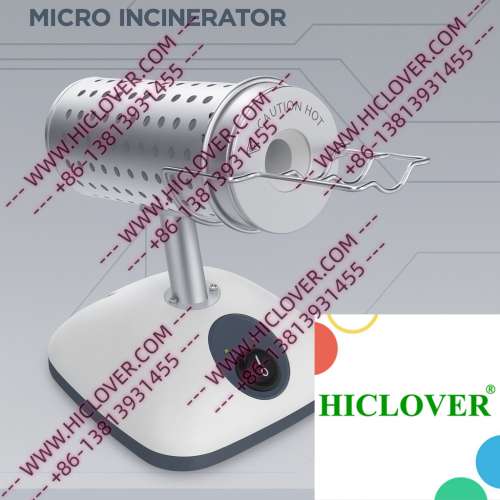
In the evolving landscape of laboratory biosafety and sterilization practices, the challenges of managing infectious and hazardous medical waste have never been more pressing. Laboratories, whether they reside within a bustling hospital, a university, or specialized research centers, face critical demands for effective sterilization workflows that ensure the safety of personnel and the environment. In light of these complexities, Irvine Hospital has adopted a cutting-edge solution: the Micro Incinerator, specifically engineered for efficient medical waste disposal and robust laboratory sterilization.
The Technical Principles of the Micro Incinerator
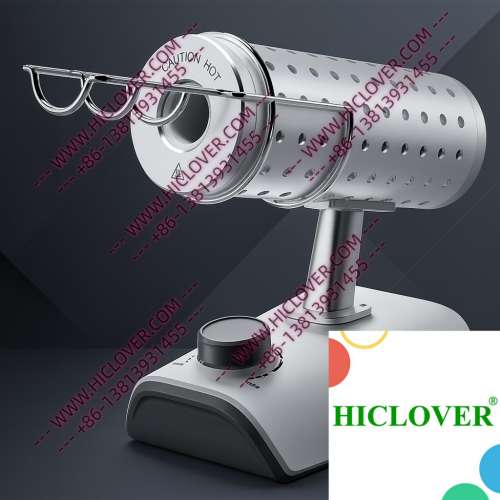
The Micro Incinerator utilizes rapid thermal sterilization technology that is based on infrared heat, ensuring effective disinfection while minimizing risks associated with traditional flame sterilizers such as alcohol lamps and Bunsen burners. Unlike traditional methods, which can be cumbersome and less reliable, the Infrared Inoculating Loop Sterilizer is designed with an enclosed ceramic heating chamber. This advanced design facilitates high-temperature disinfection without the production of flames or aerosols, catering perfectly to sterile environments.
The precise technical configuration includes:
- Infrared Heating Element: Generates consistent, high temperatures for rapid sterilization.
- Enclosed Ceramic Tube: Ensures safe exposure for inoculating loops while protecting users from potential hazards.
- Compact Design: Ideal for biosafety cabinets, field testing labs, and educational settings.
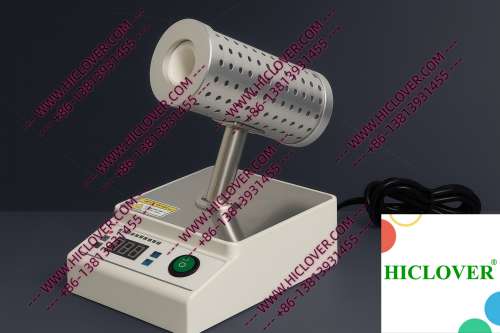
Applications in Real Labs
The Micro Incinerator is adept at enhancing sterilization protocols across diverse laboratory settings. Here are two pertinent application scenarios:
Biosafety Cabinet Usage
In BSL-2 and BSL-3 microbiology labs, the Micro Incinerator offers unprecedented advantages in contamination control. Scientists conducting microbiological research can safely sterilize inoculating loops within the controlled environment of a biosafety cabinet. The rapid thermal sterilization process not only streamlines lab workflows but also eliminates the potential for open flames, thus maintaining the integrity of the sterile workspace.
Educational Teaching Labs
University teaching labs benefit immensely from the incorporation of Micro Incinerators. Students learning microbiology techniques can practice safe and effective sterilization without the risks associated with flames. This not only enhances their learning experience but establishes essential safety protocols that align with modern laboratory standards.
Compliance and Environmental Considerations
Adhering to biosafety standards set forth by organizations such as the World Health Organization (WHO) is crucial for laboratory operations worldwide. The Micro Incinerator aligns with rigorous lab sterilization standards that are necessary for both clinical diagnostics and research applications. It eliminates the need for flame sterilizers, enhancing compliance within clean rooms where the introduction of an open flame could lead to contamination or hazardous situations. Moreover, reducing aerosol generation during sterilization lessens the risk of airborne pathogens, thereby contributing positively to overall lab safety and environmental health.
Micro Incinerator vs. Traditional Flame Sterilizers
Comparison Table: Efficiency and Safety
Feature Micro Incinerator Flame Burners Heating Method Infrared Open Flame Contamination Risk Low High safety in Clean Rooms Yes No Speed of Sterilization Rapid Slower Heat Control Precise Variable
Frequently Asked Questions
What types of labs can benefit from using a Micro Incinerator?
Micro Incinerators are advantageous in BSL-2 and BSL-3 microbiology labs, clinical diagnostics facilities, university teaching labs, and mobile field-testing environments.
How does a Micro Incinerator compare to traditional flame sterilizers?
Micro Incinerators utilize infrared technology for rapid sterilization, eliminating the risks associated with open flames found in traditional methods while providing a more efficient and safer alternative.
Are Micro Incinerators compliant with WHO standards for lab sterilization?
Yes, the Micro Incinerator meets the stringent biosafety standards set forth by WHO, ensuring safe and effective sterilization that reduces contamination risks.
Can the Micro Incinerator be used in a biosafety cabinet?
Absolutely, the design of the Micro Incinerator allows it to be safely used within a biosafety cabinet, minimizing exposure and maximizing safety during sterilization procedures.
Is there a learning curve for using a Micro Incinerator?
While initial familiarization is required, the user-friendly design of the Micro Incinerator ensures that laboratory personnel can quickly adapt to using this advanced sterilization equipment effectively.
Conclusion
The introduction of the Micro Incinerator at Irvine Hospital represents a significant leap forward in managing medical waste and enhancing sterilization protocols in laboratories. Its advanced sterilization capabilities not only address current challenges but also set a new standard for safe laboratory practices. By considering the adoption of micro incineration technology, laboratories can significantly improve their workflow, comply with biosafety standards, and promote a safer working environment. For more information on how you can integrate the Micro Incinerator or to make a purchase, feel free to contact us today!
Categories:
Tags: