
In today’s laboratories, particularly within clinical and research settings, biosafety is paramount. Laboratories are often confronted with various biosafety challenges, particularly when it comes to maintaining sterile environments. Traditional methods of sterilization, such as alcohol lamps or Bunsen burners, have limitations that pose risks of flammability and contamination. As a solution, modern sterilization technologies like the Micro Incinerator/Infrared Inoculating Loop Sterilizer are becoming indispensable.
Understanding Micro Incinerators and Their Mechanisms
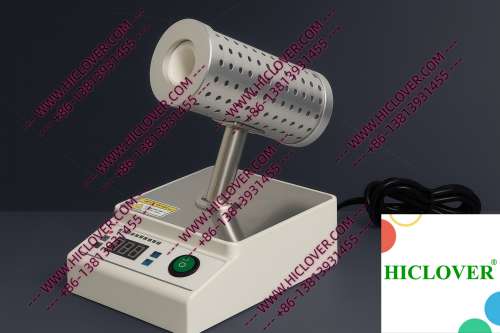
The Micro Incinerator operates on the principle of rapid thermal sterilization utilizing infrared heat. This device features a closed ceramic heating chamber that allows for efficient heating and sterilization of inoculating loops and other instruments. Unlike traditional flame sterilizers, which can produce aerosols and expose users to contaminants, the Micro Incinerator offers aerosol-free handling while ensuring that high-temperature disinfection occurs quickly.
Advantages Over Traditional Flame Sterilizers
- Safety: No open flame reduces the risk of burns and environmental contamination.
- Efficiency: Fast heating times ensure quick processing of tools.
- Clean Environment: Avoids the production of soot and other particulates in clean-room settings.
- Portability: Lightweight design allows it to be used in field testing labs.
- Multi-use: Suitable for biosafety cabinet enhancements and university teaching labs.
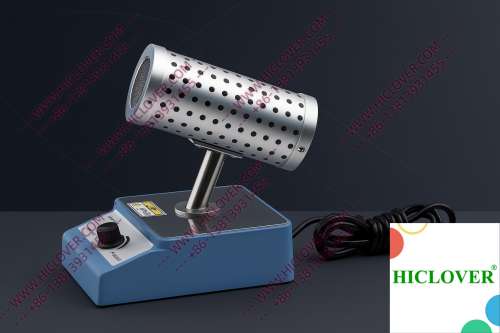
Application Scenarios in Real Labs
To illustrate the effectiveness of the Micro Incinerator, let’s examine two specific applications in actual laboratory settings.
1. Clinical Diagnostics
In a BSL-2 laboratory setting focusing on clinical diagnostics, maintaining sterility between sample streaks is crucial. Here, a Micro Incinerator is employed within a biosafety cabinet. The enclosed design allows technicians to quickly sterilize inoculating loops without exposing samples to contaminants. The ability to achieve high temperatures rapidly ensures that any microbial pathogens are efficiently destroyed, significantly reducing the chances of cross-contamination during diagnostics procedures.
2. Teaching Laboratories
In university teaching labs, where students practice microbiological techniques, introducing safe and efficient sterilization methods is essential. The Micro Incinerator is an ideal solution, especially for novice students who may be unfamiliar with proper flame handling. By implementing infrared sterilization, educators can teach students about contamination control while swiftly and safely sterilizing tools in an educational atmosphere. The device eliminates the fear and danger associated with open flames, making it a vital component of the teaching environment.
Compliance with Biosafety Standards
Adhering to biosafety compliance standards is essential for lab operations. According to the World Health Organization (WHO), laboratories must maintain strict sterilization protocols to ensure biohazard containment. Micro Incinerators align with these standards, as they do not rely on flame-based methods that are restricted in clean rooms and other sensitive environments.
Additionally, organizations such as the Centers for Disease Control and Prevention (CDC) emphasize the importance of effective sterilization practices in BSL-2 and BSL-3 laboratories. The Micro Incinerator’s technology not only aligns with these recommendations but also enhances user safety and operational efficiency.
Comparison of Sterilization Techniques
| Feature | Micro Incinerator | Traditional Flame Sterilizer |
|---|---|---|
| Heat Source | Infrared | Open Flame |
| Contamination Risk | Minimal | High |
| Heating Time | Rapid | Variable |
| Aerosol Production | No | Yes |
| Portability | High | Moderate |
Frequently Asked Questions
What is a Micro Incinerator used for?
A Micro Incinerator is used for quickly sterilizing inoculating loops and other laboratory tools, providing a rapid, safe alternative to traditional flame sterilizers.
How does the infrared technology work?
The infrared technology works by heating a ceramic tube, which radiates heat to sterilize instruments at high temperatures effectively.
Is it safe to use in clean rooms?
Yes, the Micro Incinerator is designed to be safe for clean room environments because it operates without an open flame, thus preventing contamination.
Can I use the Micro Incinerator in field testing?
Yes, its lightweight and portable design make it an excellent choice for mobile and field testing laboratories.
What are the advantages of using this device over traditional methods?
The advantages include reduced contamination risk, faster heating times, no open flame hazards, and suitability for a variety of laboratory settings.
Conclusion
As healthcare and laboratory environments in Tallahassee and beyond evolve, the role of advanced sterilization techniques becomes increasingly critical. The Micro Incinerator/Infrared Inoculating Loop Sterilizer presents a compelling option, combining efficiency with safety. Whether in clinical diagnostics or educational settings, implementing such advanced sterilization equipment can enhance laboratory workflows and ensure compliance with necessary biosafety standards. For institutions looking to upgrade their sterilization practices, reaching out for more information or making a purchase could be the next step towards improved lab safety and efficiency.
Categories:
Tags: