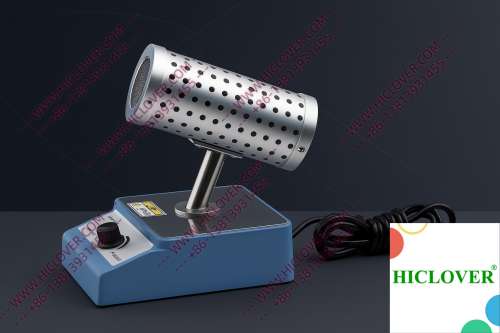
In an era where laboratory biosafety is paramount, the challenges of sterilization workflow demands are constantly evolving. Health institutions are under increasing pressure to implement efficient, eco-friendly solutions that not only ensure rigorous contamination control but also align with sustainable practices. One such innovation that has gained traction is the Micro Incinerator / Infrared Inoculating Loop Sterilizer, a paramount tool for hospitals in Jackson and beyond.
The Technical Principle of Micro Incinerators
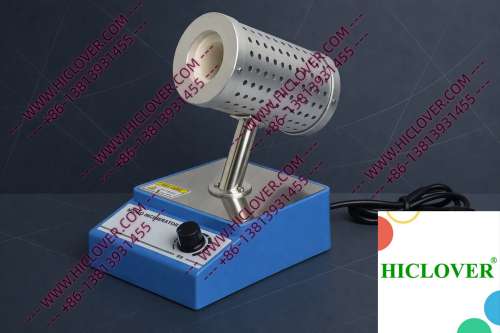
The Micro Incinerator utilizes infrared heat technology to achieve rapid thermal sterilization. This advanced sterilization method involves emission of concentrated infrared waves through an enclosed ceramic tube, ensuring uniform and high-temperature disinfection of inoculating loops and other laboratory tools. Unlike traditional flame sterilizers like alcohol lamps and Bunsen burners, which can create hazardous environmental conditions, micro incinerators offer a clean-bench-safe solution.
How It Works
The operation begins with the user placing the inoculating loop directly into the ceramic heating chamber. Rapid heating occurs, allowing for efficient sterilization without open flames. This ensures aerosol-free handling, minimizing the risk of airborne pathogens in laboratory settings. The Micro Incinerator typically reaches operational temperatures of up to 800°C (1472°F) in mere seconds, significantly reducing downtime between applications.
Application Scenarios in Real Labs
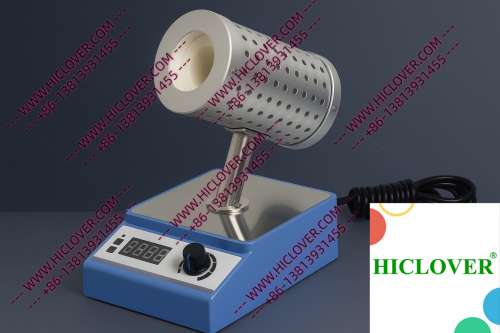
Micro incinerators are versatile tools applicable in various laboratory settings, making them invaluable assets for a range of scientific endeavors. Below are two distinct scenarios where these sterilizers excel:
- Biosafety Cabinet Usage: Within the confines of a BSL-2 laboratory, the Micro Incinerator serves as a primary sterilization tool. Researchers can safely sterilize inoculating loops while maintaining airflow containment, significantly reducing contamination risks.
- Field Testing: In mobile or field testing laboratories, the compact nature of the Micro Incinerator allows researchers to perform efficient sterilization of sampling equipment in situ. This is crucial when operating under unsupervised or remote conditions where access to traditional sterilization equipment is limited.
Moreover, in university teaching labs, the Micro Incinerator provides students with hands-on experience in sterile techniques without the hazards associated with flame-based sterilizers. The ability to easily control temperatures enhances both learning and safety.
Compliance and Environmental Standards
The Micro Incinerator not only meets but exceeds several global standards in laboratory sterilization. According to the World Health Organization (WHO), laboratories must adhere to stringent biosafety guidelines to prevent contamination and promote laboratory safety.
Using a Micro Incinerator in laboratory settings aligns well with compliance requirements, including:
- ISO 13485 standards for medical devices
- BSL-2 and BSL-3 laboratory safety requirements
- Accreditation standards for hospitals and clinical laboratories
Importantly, the elimination of flame-based sterilization techniques minimizes the risk of fires in clean rooms, thereby enhancing safety and security in laboratory environments.
Comparison: Micro Incinerator vs. Traditional Flame Sterilizers
| Feature | Micro Incinerator | Flame Sterilizers (Bunsen Burner) |
|---|---|---|
| Heat Source | Infrared | Open flame |
| Safety | Low-risk | High-risk (fire hazards) |
| Sterilization Speed | Fast (seconds) | Variable (depends on flame control) |
| Portability | Highly portable | Less portable |
| Environmental Impact | Low impact | High carbon footprint due to fuel |
Frequently Asked Questions
1. What are the main advantages of using a Micro Incinerator in a lab?
The primary advantages include enhanced safety due to the absence of open flames, rapid sterilization time, and lower environmental impact compared to traditional flame sterilizers.
2. Can a Micro Incinerator be used in a BSL-3 laboratory?
Yes, the Micro Incinerator is suitable for use in BSL-3 laboratories, provided it meets all necessary compliance and safety protocols.
3. How does the Micro Incinerator contribute to sustainability efforts in health care?
The device significantly reduces the carbon footprint associated with burning fuels for sterilization, aligning with eco-friendly health care initiatives.
4. What is the lifespan of a Micro Incinerator?
With proper care and maintenance, a Micro Incinerator can last several years, making it a cost-effective investment for laboratories.
5. Is training required to operate a Micro Incinerator?
While the device is user-friendly, basic training on safety protocols and operational guidelines is recommended for all users to ensure safe handling.
Conclusion
Innovative waste management practices are essential in ensuring safe, efficient, and sustainable health care. The Micro Incinerator / Infrared Inoculating Loop Sterilizer represents a leap forward in laboratory sterilization technology, combining safety, speed, and sustainability. For laboratories in Jackson and beyond, adopting this technology could radically transform sterilization workflows and contamination control practices.
If you are interested in enhancing your laboratory’s sterilization processes sustainably, contact us today to learn more about our high-quality Micro Incinerator solutions!
Categories:
Tags: