
In the field of laboratory biosafety, maintaining sterile conditions is paramount. Hospitals and laboratories face the constant challenge of contamination control that could derail critical research or diagnostics. The implementation of efficient sterilization workflows is essential, particularly in settings such as Yonkers hospitals, which are at the forefront of adopting innovative solutions like micro incinerators. These compact devices are revolutionizing how equipment is sterilized, notably with products like the Micro Incinerator or Infrared Inoculating Loop Sterilizer.
The Technical Principles Behind Micro Incinerators
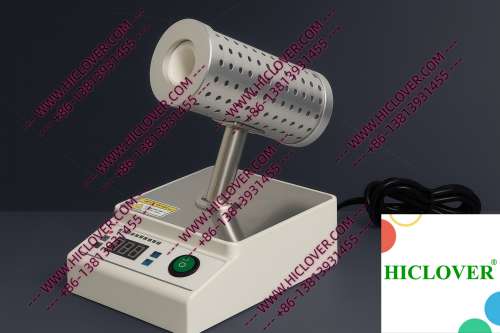
Micro incinerators operate using the principle of rapid thermal sterilization, which eliminates pathogens in an environmentally friendly manner. Unlike traditional flame sterilizers, such as alcohol lamps or Bunsen burners, micro incinerators use infrared heating technology that ensures high-temperature disinfection without the risk of open flames. This feature is especially crucial in cleanroom environments where any form of combustion could lead to compromised sterility levels.
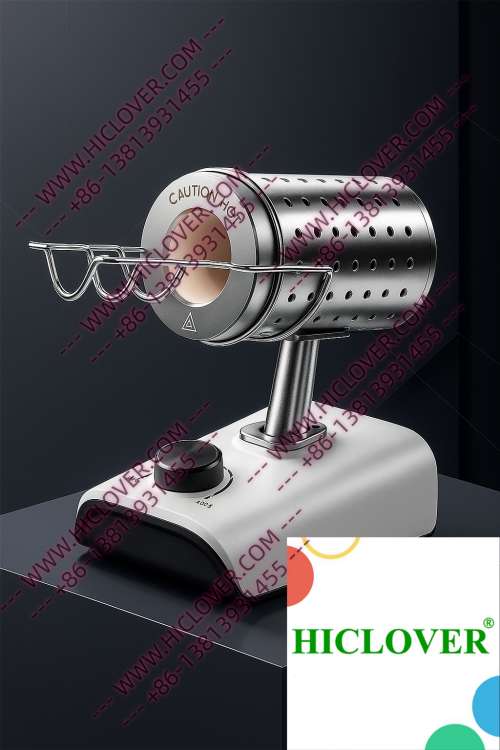
- Enclosed Ceramic Tube: The core component of the micro incinerator is its enclosed ceramic heating chamber that can reach temperatures of over 800°C. This high heat effectively destroys both bacteria and viruses in seconds.
- Aerosol-Free Handling: With no open flames, aerosols generated from high-temperature sterilization are minimized, ensuring a safer operating environment.
- Energy Efficiency: Micro incinerators consume less energy compared to traditional sterilization methods while providing a more effective sterilization process.
Applications in Real Labs
The versatility of micro incinerators makes them ideal for various laboratory settings, including:
1. Teaching Labs in Universities
In educational institutions, such as those in Yonkers, teaching labs often utilize micro incinerators for inoculating loops, providing students with a hands-on approach to sterile techniques without the risks associated with open flames. This technology not only enhances safety practices but also aligns with modern sustainable laboratory principles.
2. BSL-2 and BSL-3 Microbiology Labs
For advanced research in BSL-2 and BSL-3 microbiology labs, micro incinerators are crucial for ensuring that tools and instruments used in handling infectious materials are thoroughly sterilized. These devices offer a clean-bench-safe environment and comply with rigorous biosafety standards, thus maintaining the integrity of sensitive research.
Compliance and Environmental Considerations
Ensuring compliance with WHO biosafety and lab sterilization standards is of utmost importance in today’s laboratories. Traditional flame methods often fall short in providing the stringent hygiene that modern labs demand. Micro incinerators, on the other hand, are designed to meet these evolving regulatory requirements.
As hospitals in Yonkers embrace micro incineration technology, they contribute to a greener environment. By eliminating the need for combustible materials, micro incinerators support sustainable practices in hospital settings, reducing carbon footprints and lowering the risk of hazardous waste associated with traditional methods.
Micro Incinerator vs. Traditional Flame Burners
| Feature | Micro Incinerator | Flame Burners |
|---|---|---|
| Operation | Infrared heating, aerosol-free | Open flame, aerosol generation |
| Safety | Clean-bench-safe | Flame hazards |
| Energy Consumption | Low | Higher |
| Effectiveness | Rapid thermal sterilization | Variable effectiveness |
FAQs
What is a micro incinerator used for?
A micro incinerator is primarily used for rapid thermal sterilization of laboratory instruments, particularly inoculating loops and other tools in various laboratory settings.
How does a micro incinerator differ from a traditional flame sterilizer?
Micro incinerators utilize infrared heat technology and have an enclosed design, which provides safer and more effective sterilization compared to open flame burners.
Are micro incinerators compliant with international lab safety standards?
Yes, micro incinerators comply with WHO biosafety standards and are designed for use in environments requiring stringent sterilization protocols.
Can micro incinerators be used in cleanrooms?
Absolutely! Micro incinerators are ideal for use in cleanrooms due to their enclosed design, which prevents contamination and minimizes aerosol production.
Where can I purchase a micro incinerator?
You can purchase micro incinerators through laboratory supply distributors or directly from manufacturers specializing in high-quality sterilization equipment.
Conclusion
Yonkers hospitals are setting a benchmark in employing micro incinerators for laboratory sterilization, significantly enhancing biosafety compliance while adopting eco-friendly practices. Transitioning to modern sterilization solutions like the Micro Incinerator or Infrared Inoculating Loop Sterilizer not only improves safety and efficiency but also contributes to a cleaner environment. For laboratories looking to upgrade their sterilization protocols, consider reaching out to suppliers or manufacturers today for more information about micro incinerators and their vital role in laboratory safety.
Categories:
Tags: