
The evolution of healthcare practices often brings with it the necessity for major enhancements in laboratory biosafety and sterilization workflows. In Tianjin, hospitals are now leading the charge by integrating innovative diagnostic micro incinerators into their waste management systems. These systems address PCB (pollutants, contaminants, and biohazards) handling while ensuring compliance with the stringent biosafety standards enforced by health authorities such as the WHO.
Understanding the Technical Principles of Micro Incinerators
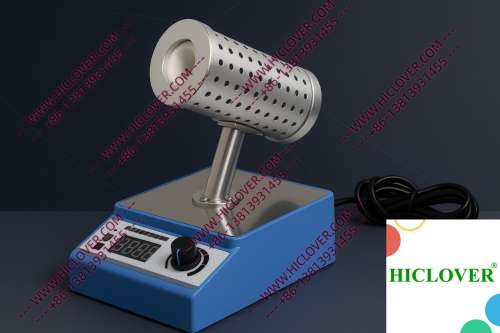
At the heart of these advanced sterilizers is the principle of rapid thermal sterilization that leverages infrared heat. The Micro Incinerator / Infrared Inoculating Loop Sterilizer employs a highly efficient heating mechanism contained within an enclosed ceramic tube. When activated, the ceramic heating chamber reaches high temperatures in mere seconds, effectively eliminating biological contaminants on inoculating loops, needles, or other lab instruments.
- Infrared High-Temperature Disinfection: Generates intense heat to ensure swift sterilization.
- Enclosed System: Protects users from exposure to harmful aerosols.
- Compact and Portable: Ideal for both stationary labs and mobile testing in the field.
This design not only mitigates potential biosafety risks through aerosol-free handling but also enhances the overall efficiency of sterilization processes compared to more traditional methods like alcohol lamps or Bunsen burners.
Application Scenarios in Modern Laboratories
Micro Incinerators have found their rightful place across various laboratory environments:
1. Biosafety Cabinets
In BSL-2 and BSL-3 microbiology labs, where containment is crucial, the use of a micro incinerator for sterilizing tools within a biosafety cabinet streamlines the workflow without compromising safety. Hot, sterilized tools can be directly used on samples, reducing the spread of contaminants.
2. Mobile Testing Labs
Furthermore, during field testing situations—especially in rural health outreach programs—the compact design of the micro incinerator allows health workers to perform rapid sterilization where traditional incineration methods may not be feasible. The portability encourages hygiene and compliance while maximizing the sterilization of reusable tools on-site.
Compliance with Biosafety Standards
Compliance with global biosafety standards is paramount. The use of micro incinerators aligns with WHO biosafety regulations emphasizing the need for effective decontamination systems. In the context of clinical diagnostics and teaching labs, the absence of open flames is critical, particularly in clean rooms where volatile substances may be present. Flame sterilizers like alcohol lamps and Bunsen burners are not suitable, as they introduce risks such as contamination and unreliable sterilization results.
Micro incinerators support stringent lab sterilization standards while enabling aerosol-free handling and reducing the risk of cross-contamination, providing users with peace of mind and maintaining high safety protocols.
Table: Comparison of Micro Incinerators vs. Flame Sterilizers
| Feature | Micro Incinerator | Flame Sterilizer |
|---|---|---|
| Speed of Sterilization | Seconds | Minutes |
| Aerosol Control | Yes | No |
| Heat Source | Infrared | Open Flame |
| Use in Clean Rooms | Safe | Not Recommended |
| Portability | High | Low |
Frequently Asked Questions
What is the primary advantage of using a micro incinerator in laboratories?
The micro incinerator provides rapid sterilization without the risks associated with open flames, enhancing safety and efficiency in sterilization processes.
Can micro incinerators be used in field settings?
Yes, their compact design makes them ideal for mobile or field testing labs, ensuring efficient sterilization even in remote locations.
How does the infrared sterilization process work?
The infrared heating elements quickly elevate the temperature of the ceramic tube to an optimal level for effective disinfection, killing pathogens in seconds.
Conclusion: Elevate Your Laboratory’s Sterilization Practices
The introduction of micro incinerators to Tianjin hospitals embodies a significant leap forward in laboratory sterilization. These devices not only fulfill the demands of rigorous biosafety standards but also streamline workflows in various laboratory environments such as universities and clinical settings. By moving away from traditional flame sterilizers, facilities can enjoy improved safety, efficiency, and compliance with global health regulations.
Contact us today to explore how integrating micro incinerators can enhance your laboratory’s operations and improve waste management strategies. Discover the power of advanced sterilization solutions that fit your needs.
Categories:
Tags: