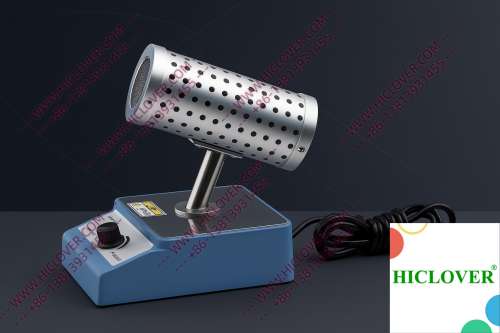
In today’s healthcare environment, ensuring laboratory biosafety while adhering to strict sterilization workflows presents unique challenges. In Changsha, as the demand for efficient sterilization equipment grows, the role of laboratory sterilization equipment, particularly the Micro Incinerator, becomes increasingly crucial. This article will delve into the costs, benefits, and applications of the Micro Incinerator, or Infrared Inoculating Loop Sterilizer, shedding light on its features and advantages over traditional sterilization methods.
Practical Laboratory Biosafety Challenges
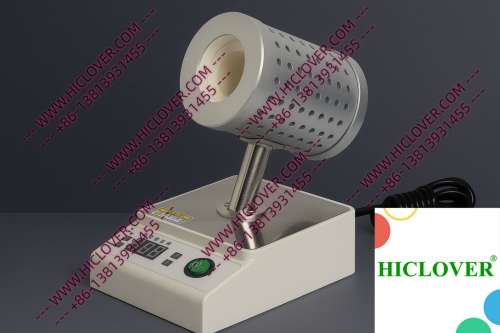
Laboratories, particularly those operating under BSL-2 and BSL-3 conditions, face stringent biosafety regulations that necessitate advanced sterilization techniques. Contamination control is paramount, and traditional methods like alcohol lamps or Bunsen burners pose significant risks, including the potential for open flames and vapor exposure.
With the increasing need for clean, efficient, and reliable sterilization processes, the Micro Incinerator stands out for its ability to deliver rapid thermal sterilization coupled with safety features ideal for cleanroom environments. This piece of laboratory equipment utilizes infrared heat, allowing for extensive disinfection without the hazards associated with flames.
Technical Principles of Micro Incinerators
The Micro Incinerator operates on a simple yet effective principle: it uses infrared technology to achieve high temperatures within an enclosed ceramic tube. This design ensures that the sterilization process is both efficient and controlled, eliminating the risk of aerosol generation. The ceramic heating chamber reaches temperatures that effectively eradicate microbial life, ensuring complete sterilization of inoculating loops and other laboratory instruments.
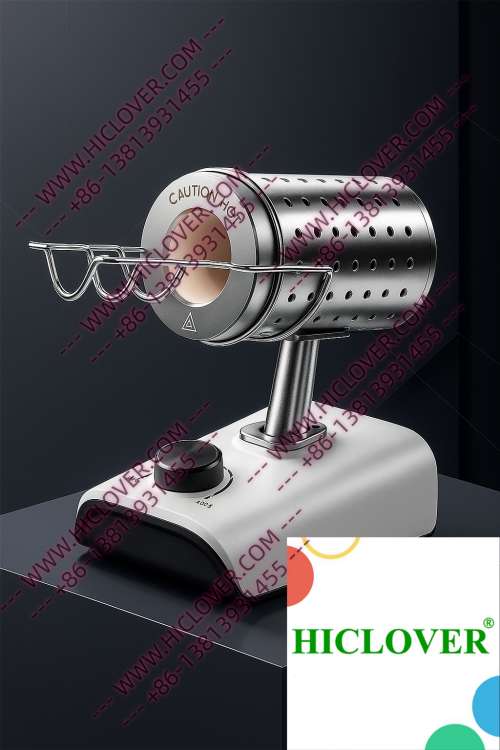
Comparison: Micro Incinerators vs. Flame Sterilizers
| Feature | Micro Incinerator | Flame Sterilizer |
|---|---|---|
| Heat Source | Infrared | Open flame |
| Safety | Lower risk (no flame) | High risk (flammability) |
| Temperature Control | Precise regulation | Variable and less controllable |
| Aerosol Generation | None | Potential for aerosolized pathogens |
| Portability | Compact and mobile | Bulky and less mobile |
Application Scenarios in Real Labs
-
Biosafety Cabinets
In high-containment biosafety laboratories, the Micro Incinerator can be seamlessly integrated within biosafety cabinets. This setup allows researchers to sterilize tools without risking contamination from aerosols, thereby maintaining a clean working environment essential for BSL-2 and BSL-3 labs.
-
Field Testing and Mobile Labs
Mobile laboratories conducting field tests greatly benefit from the portability of Micro Incinerators. In scenarios where access to sterilization methods is limited, these devices provide a reliable solution for sterilizing equipment in real-time, thus ensuring compliance with safety standards even in remote locations.
Compliance and Environmental Considerations
As laboratories in Changsha strive for compliance with international standards, such as WHO biosafety requirements, the shift towards equipment like the Micro Incinerator becomes essential. Traditional flame-based sterilization methods may produce harmful emissions or create an environment unsuitable for cleanroom operations. The Micro Incinerator not only adheres to sterilization standards but also supports a clean, alcohol-free workspace vital for sensitive equipment like CO₂ incubators.
Moreover, environmental considerations are increasingly influencing laboratory procurement decisions. The Micro Incinerator’s design minimizes emissions and waste, making it an eco-friendly choice in alignment with global sustainability goals.
Frequently Asked Questions
-
What is the typical lifespan of a Micro Incinerator?
Micro Incinerators can last for several years with proper maintenance, with most manufacturers recommending routine checks to ensure optimal performance.
-
Can the Micro Incinerator be used in a teaching lab?
Yes, it is an ideal tool for teaching labs where safe sterilization methods are essential for educational purposes.
-
How does the Micro Incinerator minimize contamination risks?
The enclosed ceramic tube design prevents aerosol formation, thus significantly reducing the risk of contamination during sterilization processes.
-
Is a Micro Incinerator compliant with WHO guidelines?
Yes, it meets WHO biosafety standards and is suitable for use in various laboratory settings that require strict compliance.
-
What are the energy requirements for a Micro Incinerator?
Micro Incinerators are designed for efficient energy consumption, making them cost-effective choices for laboratories.
Conclusion: Invest in Modern Sterilization Technologies
In conclusion, as laboratories in Changsha and beyond navigate the complexities of biosafety and sterilization, the Micro Incinerator presents a compelling solution that addresses both safety and efficiency. Its many advantages over traditional flame sterilizers make it a must-have for modern labs looking to enhance their sterilization workflows. If you’re considering upgrading your laboratory sterilization equipment, contact us today to learn more about our offerings and how a Micro Incinerator can meet your needs.
Categories:
Tags: