
In the realm of clinical diagnostics, educational training, and research activities, ensuring safety is paramount. Fuzhou’s medical labs are no exception; they face practical biosafety challenges daily, particularly when it comes to the sterilization of tools and materials. As the demand for effective sterilization workflows surges, the spotlight shines brightly on the Micro Incinerator / Infrared Inoculating Loop Sterilizer, a cutting-edge solution that addresses these demands with precision, efficiency, and safety.
Technical Principles of Infrared Sterilization
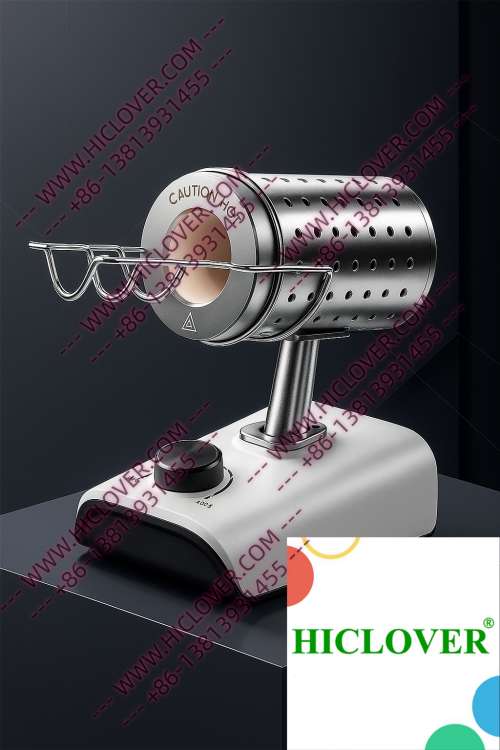
The Micro Incinerator utilizes state-of-the-art infrared heat technology to ensure rapid thermal sterilization of inoculating loops, needles, and other laboratory instruments. Unlike traditional flame sterilizers such as alcohol lamps or Bunsen burners, this device offers a clean-bench-safe, enclosed ceramic tube design which prevents the release of aerosols and enhances workplace safety.
Operating on the principle of infrared high-temperature disinfection, the sterilizer quickly reaches temperatures exceeding 800°C, ensuring effective microbial destruction. The enclosed heating chamber of the Micro Incinerator provides uniform heat distribution, drastically reducing the risk of environmental contamination often associated with open flames. This double action not only protects the integrity of the specimen but also the health of laboratory personnel.
Applications of Micro Incinerators in Fuzhou Labs
Below are some significant application scenarios showcasing the advantages of using the Micro Incinerator in various laboratory settings:
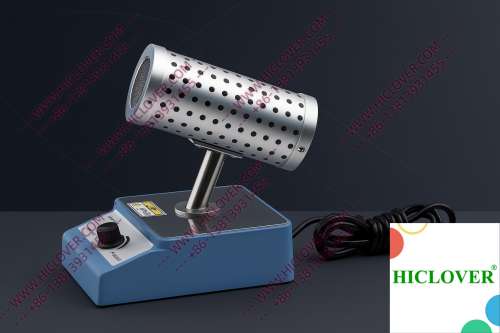
- Biosafety Cabinet Operations: In BSL-2 and BSL-3 microbiology labs, the Micro Incinerator is utilized for safe sterilization of inoculating loops within biosafety cabinets. This configuration minimizes the risk of exposure to pathogens and vapors.
- Field Testing Laboratories: In mobile labs, such as those utilized for field testing in rural health initiatives, these sterilizers offer portability without the hazard of flames. They effectively ensure sterilization of instruments even in outdoor settings.
- University Teaching Labs: Educators in biological sciences are increasingly adopting these sterilizers for student exposure to sterilization techniques without the dangers associated with traditional methods.
Quality and Compliance in Laboratory Sterilization
Adhering to regulatory standards is crucial for laboratory operations to maintain safety and operational effectiveness. The World Health Organization (WHO) has established strict biosafety guidelines that all laboratories must follow. These standards emphasize the need for proper sterilization equipment that not only complies with health directives but also mitigates contamination risks.
Utilizing flame sterilizers in clean rooms is now deemed problematic due to the possible introduction of flames or heating elements that can compromise sterile environments. On the contrary, the Micro Incinerator stands out with its no-flame design, aligning perfectly with contemporary sterilization standards.
Comparison: Micro Incinerator vs. Traditional Flame Sterilizers
| Feature | Micro Incinerator | Flame Sterilizers |
|---|---|---|
| Safety | No flame; reduced aerosol production | Open flames; higher contamination risk |
| Temperature Control | Rapid with adjustable settings | Variable; dependent on flame height |
| Operating Efficiency | Instant heat-up time | Requires time for ignition |
| Portability | Lightweight and compact | Bulky and less maneuverable |
| Maintenance | Low; easy to clean | Higher; requires regular replacement of gas and burner parts |
FAQs
What types of materials can be sterilized with a Micro Incinerator?
The Micro Incinerator is highly effective for sterilizing inoculating loops, needles, and small metal instruments used in laboratory practices.
Is the Micro Incinerator safe to use in a biosafety cabinet?
Yes, it is ideal for use in biosafety cabinets due to its no-flame design and reduced aerosol production, enhancing the safety of laboratory work.
How does infrared sterilization compare to traditional methods?
Infrared sterilization is faster and offers greater reliability with less risk of contamination compared to traditional flame methods, which can introduce impurities via smoke and aerosols.
What are the key benefits of using a Micro Incinerator in teaching labs?
Benefits include improved safety, ease of use, and enhanced focus on practical learning without the dangers associated with flames, fostering a better educational experience.
Can the Micro Incinerator be used for field testing applications?
Absolutely, its portability makes it an excellent choice for field testing, allowing for effective sterilization in outdoor and rural settings.
Conclusion
As laboratories in Fuzhou and beyond strive to enhance safety and efficiency, the Micro Incinerator / Infrared Inoculating Loop Sterilizer emerges as a critical tool in modern sterilization workflows. Its advanced technology not only adheres to stringent safety standards but also streamlines laboratory processes, making it an invaluable asset in clinical diagnostics, education, and research. To explore how the Micro Incinerator can transform your laboratory’s sterilization practices, please contact us for further details and purchasing options.
Categories:
Tags: