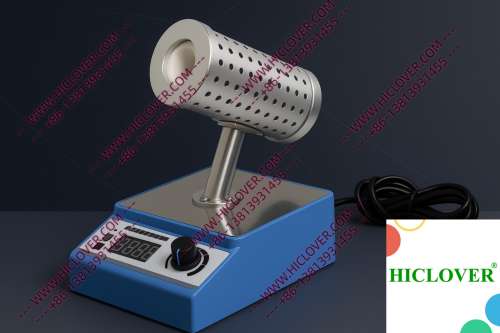
In the realm of laboratory biosafety, ensuring that all instruments and tools are uncontaminated before and after use is paramount. Traditional sterilization methods, such as alcohol lamps and Bunsen burners, pose various challenges including exposure to open flames, the risk of contamination, and inadequate efficiency in rapid sterilization. In response to these demands, the implementation of advanced sterilization equipment, particularly the Micro Incinerator / Infrared Inoculating Loop Sterilizer, has become essential in Taipei labs for maintaining biosafety and improving workflow efficiency.
Understanding the Technical Principles
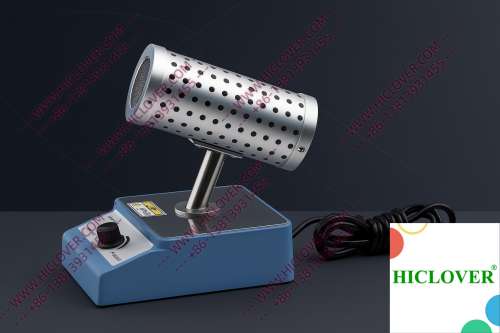
The Micro Incinerator employs infrared heat to achieve rapid thermal sterilization. This cutting-edge device utilizes an enclosed ceramic tube to generate high temperatures that instantly disinfect inoculating loops, needles, and other laboratory instruments. Unlike traditional flame sterilizers, which rely on combustion, the infrared technology provides a clean and controlled method of disinfection. The ceramic heating chamber ensures that the heat is evenly distributed, thus eliminating any cold spots that could compromise sterilization effectiveness.
Applications in Modern Laboratory Settings
- Biosafety Cabinets: In a BSL-2 laboratory, the sterile environment is critical for handling moderately hazardous microbes. The Micro Incinerator can be used within biosafety cabinets to quickly sterilize tools without introducing additional contaminants.
- Teaching Labs: University laboratories often serve as learning environments for students. The Micro Incinerator simplifies the sterilization process, allowing students to focus on experimental learning, while ensuring compliance with biosafety protocols.
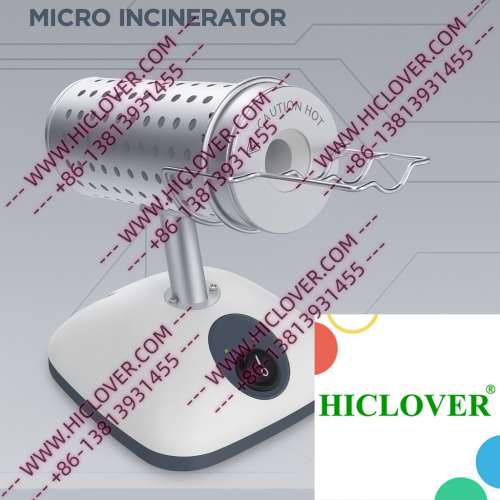
These application scenarios illustrate the versatility of the Micro Incinerator in various laboratory contexts, emphasizing its role in enhancing biosafety and workflow efficiency.
Compliance with Biosafety Standards
Ensuring compliance with established biosafety standards is vital for laboratories, particularly those engaged in clinical diagnostics and microbiology research. Organizations like the World Health Organization (WHO) and various national health agencies advocate for stringent sterilization protocols, especially in settings such as BSL-2 and BSL-3 labs. Unlike open flame devices, the Micro Incinerator eliminates the risk of aerosols, making it a clean-bench-safe option.
By complying with laboratory sterilization standards, the Micro Incinerator stands out as a responsible choice for laboratories operating in sensitive environments, where contamination control is critical. Furthermore, the absence of a flame allows for safe operations in clean rooms, which typically prohibit open flames due to the risk of fire and contamination.
Micro Incinerator vs. Flame Sterilizers: A Comparative Overview
| Feature | Micro Incinerator | Flame Sterilizers |
|---|---|---|
| Method of Sterilization | Infrared Heat | Open Flame |
| Risk of Contamination | Low | High |
| Temperature Control | Precise | Variable |
| Use in Clean Rooms | Yes | No |
| Speed of Sterilization | Rapid | Moderate |
Frequently Asked Questions (FAQs)
-
What is the main advantage of using a Micro Incinerator over a traditional flame sterilizer?
The Micro Incinerator provides precise temperature control and reduces the risk of contamination and safety hazards associated with open flames.
-
Can the Micro Incinerator be used in clean room environments?
Yes, it is designed for use in clean rooms where open flames are prohibited, ensuring compliance with biosafety regulations.
-
How quickly can I sterilize my inoculating loops using the Micro Incinerator?
The Micro Incinerator achieves sterilization in seconds, making it an efficient tool for high-throughput laboratories.
-
What is the lifespan of the ceramic heating element?
The ceramic heating elements are designed for long-term durability, often lasting for years without degradation in performance.
-
Is the Micro Incinerator environmentally friendly?
Yes, since it minimizes the use of disposable materials and eliminates flame-related hazards, the Micro Incinerator contributes to a safer and more sustainable laboratory environment.
Conclusion
As laboratories in Taipei and across the globe evolve to meet the increasing demands for safety and efficiency, the adoption of advanced sterilization technologies like the Micro Incinerator is crucial. By replacing traditional flame sterilizers with this innovative infrared inoculating loop sterilizer, labs can enhance their sterilization workflows while ensuring compliance with the highest biosafety standards. Interested parties are encouraged to contact us for more information or to consider integrating the Micro Incinerator into your lab’s sterilization protocol.
Categories:
Tags: