
In the rapidly evolving landscape of laboratory biosafety, the demand for effective sterilization methods has never been more critical. Hospitals and laboratories in Taichung face serious challenges when it comes to minimizing contamination and ensuring the integrity of their sterile environments. Every lab, whether it’s a university teaching lab or a BSL-2 clinical diagnostics facility, must implement reliable sterilization workflows to maintain safety and compliance.
Understanding Laboratory Sterilization Equipment
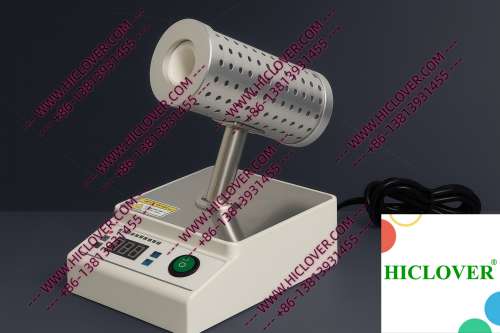
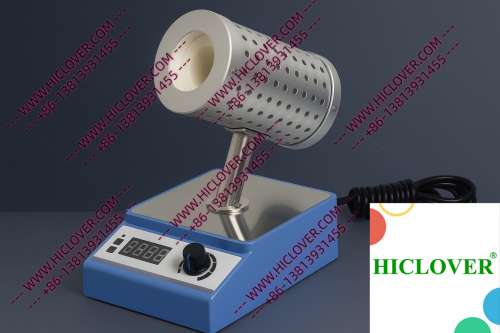
One of the most effective advancements in sterilization technology is the Micro Incinerator or Infrared Inoculating Loop Sterilizer. This innovative device operates using rapid thermal sterilization methods, leveraging infrared heat to achieve high-temperature disinfection without the open flames typical of traditional burners. Instead of relying on Bunsen burners or alcohol lamps—which can introduce fire hazards in sensitive environments—the Micro Incinerator uses an enclosed ceramic heating chamber that provides clean-bench-safe operation.
Technical Principles of Micro Incinerators
The micro incinerator functions through an infrared heating mechanism, which quickly raises the temperature of the inoculating loop to effectively sterilize it. This technology allows for:
- Rapid Sterilization: The device can reach high temperatures in seconds, ensuring a swift turnover between samples.
- Precision Control: The enclosed design minimizes heat loss, providing focused energy to the sterilization process.
- Safe Operation: Eliminating open flames reduces risks associated with flammable materials and aerosols.
- No Open Flames in Clean Rooms: Open flames can disturb sensitive environments, making it essential to use devices like micro incinerators that meet stringent cleanroom standards.
- Less Hazardous Aersols: Micro Incinerators produce no aerosols, aligning well with safety protocols required in laboratories.
Application Scenarios
Understanding the practical applications of the Micro Incinerator can elucidate its significance in various settings:
1. University Teaching Labs
In educational settings, students handling microbial cultures benefit from the safety of using a Micro Incinerator. Instructors can focus on teaching sterile techniques without the dangers posed by traditional flame sterilizers. For instance, when demonstrating inoculation methods, rapid thermal sterilization ensures that students can efficiently reuse loops without fear of contamination.
2. BSL-2 Microbiology Labs
In a BSL-2 environment, where precautions against potential pathogens are critical, the Micro Incinerator ensures that all instruments are adequately sterilized without generating aerosols. The use of this device alongside a biosafety cabinet allows researchers to maintain a clean and compliant workspace, eliminating the risks associated with flame sterilization methods.
Compliance and Environmental Considerations
Adherence to biosafety standards established by the World Health Organization (WHO) and various laboratory sterilization protocols is essential. Traditional flame sterilizers pose several issues:
These compliance standards play a vital role in ensuring the safety and integrity of testing results in academic and clinical laboratories alike. Furthermore, utilizing infrared sterilizers contributes to environmentally sustainable practices by reducing the reliance on volatile solvents.
Cost Insights: Pricing in Taichung Hospitals
The pricing of sterilization equipment can vary widely based on specifications, technology, and supplier relationships. In Taichung, the cost of a Micro Incinerator typically ranges from NT$10,000 to NT$25,000, making it a competitive choice against traditional flame sterilizers and aligned with budgetary constraints of hospitals. However, the long-term savings and benefits in biosafety compliance may justify this initial investment for labs with frequent sterilization needs.
Comparison of Sterilization Methods
| Feature | Micro Incinerator | Flame Sterilizer |
|---|---|---|
| Sterilization Speed | Rapid (<10 seconds) | Moderate (30-60 seconds) |
| Risk of Contamination | Low (enclosed design) | High (open flame) |
| Compliance with Cleanroom Standards | Yes | No |
| Easiness of Use | Intuitive controls | Requires skill |
FAQs About Micro Incinerators
What are the benefits of using a Micro Incinerator over traditional sterilizers?
The primary benefits include faster sterilization times, enhanced safety through enclosed designs, and compliance with cleanroom standards, making them ideal for sensitive laboratory environments.
How does the Micro Incinerator improve biosafety in labs?
By eliminating open flames and aerosol production, Micro Incinerators provide a safer working environment, significantly reducing the risk of contamination.
Can Micro Incinerators be used in field-testing labs?
Yes, their portable design and battery-operated options make them ideal for mobile and field-testing scenarios while maintaining the sterility of instruments.
What maintenance is required for Micro Incinerators?
Routine cleaning and annual servicing are recommended to ensure optimal performance and longevity of the device.
Are Micro Incinerators energy-efficient?
Yes, they operate on low power, consuming significantly less energy compared to traditional flame sterilizers, thus supporting environmental sustainability initiatives.
Conclusion
As Taichung hospitals and laboratories continually strive for enhanced biosafety and operational efficiency, the adoption of modern sterilization technologies, such as the Micro Incinerator or Infrared Inoculating Loop Sterilizer, becomes imperative. The long-term benefits, reflected in improved safety, compliance, and workflow efficiency, present a compelling case for investment in these advanced sterilization devices. For hospitals, universities, and research institutions seeking to elevate their sterilization protocols, the Micro Incinerator stands out as a forward-thinking solution. For more information on how to procure or integrate these units into your laboratory, contact us today!
Categories:
Tags: