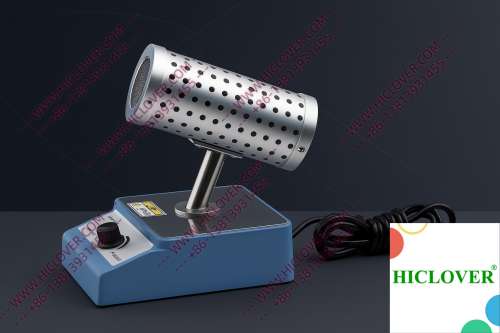
In the bustling scientific landscape of Yokohama, laboratories face several biosafety challenges, particularly in the sterilization workflow. As the demand for effective waste management grows, so does the need for cutting-edge sterilization equipment. The introduction of Micro Incinerators and Infrared Inoculating Loop Sterilizers is revolutionizing laboratory operations, enhancing both safety and efficiency.
The Challenges of Laboratory Biosafety
Laboratories, especially those operating within BSL-2 and BSL-3 environments, are continually seeking methods to control contamination and ensure compliance with stringent biosafety regulations. Traditional flame sterilizers, such as alcohol lamps and Bunsen burners, present numerous challenges, including open flames that can create safety hazards in controlled environments. Moreover, the risk of aerosol contamination with these flame-based methods raises concerns about worker safety and the integrity of lab results.
Introducing Micro Incinerators
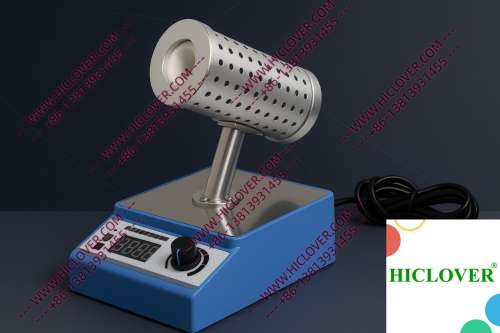
Micro Incinerators leverage advanced thermal sterilization technology, utilizing rapid infrared heat to achieve high-temperature disinfection without the dangers associated with flame sterilization. The enclosed ceramic heating chamber allows for precise control of temperature, promoting effective sterilization of inoculating loops, scalpels, and other lab tools. With a design that ensures clean-bench-safe operation, Micro Incinerators have become an essential addition to modern laboratory practices.
How Micro Incinerators Work
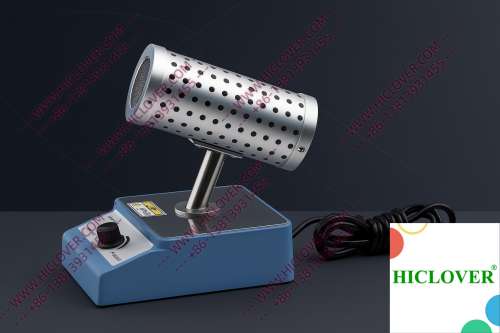
The principle behind Micro Incinerators revolves around the application of concentrated infrared heat generated by specific heating elements within the device. When the instruments are placed in the ceramic tube, the high temperatures rapidly eliminate microbial threats, making them safe for subsequent use. This real-time sterilization process is typically completed within seconds, significantly reducing downtime in laboratory workflows.
Practical Applications in Real Labs
1. Biosafety Cabinets
In a controlled environment such as a biosafety cabinet, Micro Incinerators are indispensable. Lab technicians can easily sterilize inoculating tools between samples, ensuring a contamination-free workspace. This is particularly vital in clinical diagnostics, where cross-contamination could jeopardize patient outcomes. The rapid sterilization capabilities of Micro Incinerators not only improve laboratory efficiency but also enhance safety protocols, effectively minimizing risk.
2. Teaching Laboratories
University teaching labs in Yokohama are increasingly adopting Micro Incinerators to educate students in sterile techniques. By showcasing the benefits of infrared sterilization compared to traditional methods, students can gain firsthand experience in contemporary biosafety practices. These units provide a clean, flame-free environment that fosters a safer learning experience while upholding the standards of educational excellence.
Regulatory Compliance and Environmental Considerations
Staying compliant with WHO biosafety standards is pivotal for labs that prioritize patient safety and environmental responsibility. Micro Incinerators assist in adhering to these regulations by eliminating open flames in clean rooms, thereby reducing the risk of accidental fires and chemical exposure. The efficient waste destruction offered by these devices aligns with environmental protocols, contributing to reduced laboratory waste that could otherwise pose a risk to public health.
Micro Incinerator vs. Traditional Flame Sterilizers
| Feature | Micro Incinerator | Flame Sterilizers |
|---|---|---|
| Safety | Flame-free operation | Open flames create hazards |
| Efficiency | Immediate sterilization | Longer wait times |
| Contamination Control | Aerosol-free handling | Risk of cross-contamination |
| Usability | Clean-bench-safe design | Limits operational areas |
| Compliance | Meets WHO standards | May violate safety protocols |
Frequently Asked Questions
- What is the primary advantage of using a Micro Incinerator over traditional flame sterilizers?
The Micro Incinerator offers a flame-free, quick, and effective sterilization method, reducing contamination risks while ensuring user safety.
- Can a Micro Incinerator be used in a BSL-3 laboratory?
Yes, Micro Incinerators are designed to meet the needs of BSL-3 labs, providing a safe and effective means of sterilization.
- How long does it take for the Micro Incinerator to sterilize tools?
Typically, sterilization is achieved in a matter of seconds, enhancing workflow efficiency.
- Are there environmental benefits to using Micro Incinerators?
Yes, they support compliance with environmental regulations by minimizing waste compared to traditional methods.
- How do Micro Incinerators ensure compliance with lab safety standards?
The design minimizes the risk of open flames, aligning with WHO biosafety regulations and ensuring a safer operational environment.
Conclusion
As the landscape of laboratory operations continues to evolve, innovative technologies like Micro Incinerators empower researchers and educators to improve biosafety standards significantly. By transitioning from traditional flame sterilizers to high-tech infrared systems, Yokohama labs are setting a precedent in sterilization excellence. If you’re ready to enhance your laboratory’s sterilization capabilities or need further information about our Micro Incinerator / Infrared Inoculating Loop Sterilizer options, contact us today to explore our solutions!
Categories:
Tags: