
As laboratories evolve to meet increasing biosafety and sterilization workflow demands, many sectors are turning towards innovative solutions for waste management. Among these solutions, micro incinerators, such as the Infrared Inoculating Loop Sterilizer, are becoming essential in maintaining laboratory safety and compliance while improving sterilization processes. These devices stand out in their ability to achieve rapid thermal sterilization without the risks associated with traditional flame-based sterilizers.
Laboratory Biosafety Challenges and Sterilization Workflows
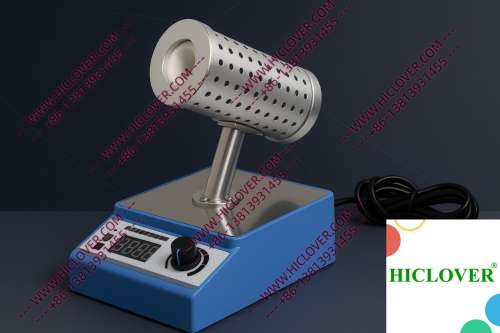
Laboratories, especially those operating at BSL-2 and BSL-3 levels, face significant challenges in contamination control and adherence to strict sterilization standards. In scenarios involving microbial testing, clinical diagnostics, or teaching labs, the need for effective sterilization becomes paramount. Traditional methods, such as alcohol lamps and Bunsen burners, pose risks of open flames and harmful aerosol releases, compromising safety and potentially leading to contamination of sterile areas.
Technical Principles of Micro Incinerators
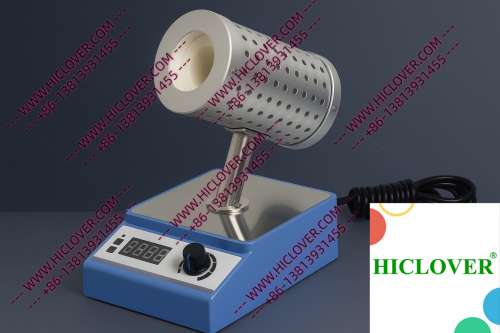
The Micro Incinerator, specifically the Infrared Inoculating Loop Sterilizer, utilizes infrared heat technology within an enclosed ceramic heating chamber. This design allows for precise temperature control, enabling faster and more efficient sterilization. When an inoculating loop or tool is inserted into the ceramic tube, the infrared energy rapidly heats the device to a high temperature, achieving sterilization in seconds. This systemic approach eliminates micro-organisms effectively while ensuring that there are no harmful fumes released into the surrounding environment, making it suitable for use in clean rooms.
Applications in Real Laboratory Scenarios
-
Biosafety Cabinets:
In high-containment labs, micro incinerators can safely sterilize loops and tools without risking flame exposure. Their compact design facilitates easy integration into biosafety cabinets, allowing researchers to maintain sterile protocols without interruption. -
Teaching Labs:
In educational settings, where students must learn sterile techniques, micro incinerators provide a safe and efficient learning environment. The quick sterilization process reduces downtime, enabling more practical learning experiences without the hazards associated with flame sterilizers.
Compliance with Biosafety and Sterilization Standards
Compliance with global biosafety and laboratory sterilization standards is non-negotiable for laboratories. Organizations such as the World Health Organization (WHO) emphasize the importance of safe sterilization practices to prevent the spread of pathogens. The infrared sterilizers align with these requirements, as they eliminate open flames and the risks associated with them, making them ideal for cleanroom environments where safety is paramount.
Furthermore, micro incinerators contribute to a more environmentally friendly approach to waste management. Unlike traditional flame sterilizers, which can produce ash and other waste products, these modern devices minimize waste generation while providing effective sterilization.
Advantages of Micro Incinerators Over Traditional Flame Sterilizers
| Feature | Micro Incinerator | Flame Sterilizers |
|---|---|---|
| Safety | No open flame, reduced risk of fire | Open flame, high risk of accidental burns |
| Speed | Rapid thermal sterilization | Varied; slower heating times |
| Contamination Control | Aerosol-free handling | Potential aerosol production |
| Adjustability | Precise temperature control | Less control over flame intensity |
| Waste Production | Minimal waste generation | Potential for leftover debris |
FAQs About Micro Incinerators
-
What is a Micro Incinerator?
A Micro Incinerator is a compact sterilization device that uses infrared heat to effectively sterilize inoculating loops, culture tools, and other lab equipment quickly and safely. -
How does the Infrared Inoculating Loop Sterilizer work?
It utilizes infrared energy within a ceramic tube, achieving high temperatures rapidly for effective sterilization without the risks associated with open flames. -
Are Micro Incinerators safe for use in clean rooms?
Yes, these devices are designed to ensure safety and compliance in cleanroom environments, as they do not produce harmful aerosols or require open flames. -
What are the applications of Micro Incinerators in laboratories?
They are widely used in biosafety cabinets, teaching laboratories, and various field testing applications where safe and effective sterilization is crucial. -
How do Micro Incinerators compare to traditional sterilizers?
They offer several benefits, including increased safety, faster sterilization times, and reduced risk of contamination compared to flame sterilizers.
Conclusion: Contact Us for Your Micro Incinerator Needs
As laboratories continue to face stringent safety and sterilization requirements, adopting advanced equipment like the Micro Incinerator is essential. This innovative solution not only enhances biosafety practices but also aligns with environmental considerations. For laboratory supply distributors, hospitals, universities, and research centers in South Korea and beyond, investing in infrared inoculating loop sterilizers can pave the way for improved operational efficiency. Reach out to us today to explore how our cutting-edge equipment can elevate your lab’s sterilization protocols.
Categories:
Tags: