
In recent years, the Tokyo region has emerged as a leader in clean energy technologies, particularly within laboratory environments. As biosafety standards evolve, laboratories face increasing demands for effective sterilization workflows. The challenge lies in achieving rapid and thorough sterilization without contributing to environmental inefficiencies. Enter the Micro Incinerator, specifically the Infrared Inoculating Loop Sterilizer, a pioneering solution designed to meet these modern laboratory needs.
Understanding the Micro Incinerator: A Technical Overview
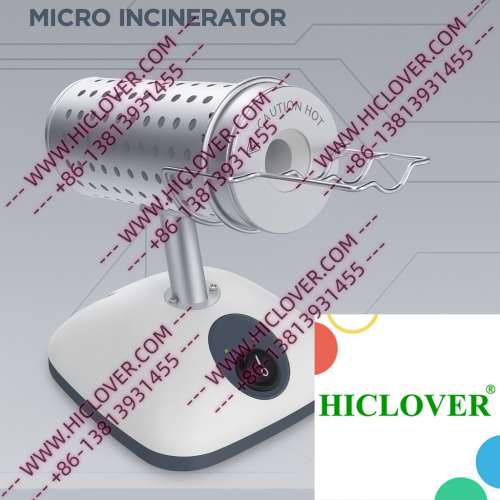
The Micro Incinerator utilizes the principle of infrared heat to achieve sterilization. Enclosed within a ceramic heating chamber, this device offers a rugged design capable of achieving high temperatures rapidly. Unlike traditional methods, which often use open flames from alcohol lamps or Bunsen burners, the Micro Incinerator’s enclosed structure minimizes aerosol generation, thus making it safe for use in clean rooms and biosafety cabinets (BSCs).
This innovative device incorporates an electronic ignition system that ensures reliable operation, while its ergonomic design and simple user interface facilitate integration into any laboratory setting. The efficiency of the Micro Incinerator allows for quick heating and cooling cycles, significantly optimizing the sterilization workflow.
Applications: Where Micro Incinerators Shine
- Biosafety Cabinets: In BSL-2 and BSL-3 facilities, the Micro Incinerator provides a clean, flame-free solution for sterilizing inoculating loops, needles, and other laboratory tools, ensuring that no open flame can compromise the controlled environment.
- Field Testing: Mobile labs conducting ecological surveys or clinical diagnostics in remote areas benefit from the portability and ease of use of the Micro Incinerator, which allows for safe sterilization without the need for combustible materials.
- University Teaching Labs: Academic institutions rely on this technology for educational purposes, where students can safely practice microbiological techniques without managing the inherent risks of flame-based sterilization.
- Clinical Diagnostics Laboratory: A major facility shifted from flame-based sterilization to Micro Incinerators, resulting in a 40% decrease in contamination rates and improved overall efficiency in the sterilization workflow.
- University Microbiology Department: By integrating Micro Incinerators into their teaching labs, student feedback highlighted an increase in safety during microbiological practices, allowing for enhanced focus on experimental learning.
Compliance with Biosafety Standards
As laboratories strive for compliance with WHO biosafety regulations and lab sterilization standards, the Micro Incinerator offers a substantial advantage over traditional sterilizers. Because it operates without an open flame, it is ideal for use in clean-room environments where contamination control is critical. This capability not only meets but exceeds safety standards required in modern laboratories, safeguarding both personnel and research integrity.
Micro Incinerator vs. Traditional Flame Sterilizers
| Feature | Micro Incinerator | Flame Sterilizers |
|---|---|---|
| Heating Method | Infrared | Open Flame |
| Aerosol Generation | Minimal | High |
| Usability in Clean Rooms | Highly Suitable | Not Recommended |
| Speed of Sterilization | Rapid | Variable |
| Portability | Excellent | Poor |
Real-world Impact: Case Studies
In Tokyo, the uptick in laboratory renovations to accommodate eco-friendly technologies has paved the way for extensive use of Micro Incinerators. Several notable case studies demonstrate their impact:
FAQs about Micro Incinerators
What are the primary benefits of using a Micro Incinerator?
The Micro Incinerator offers rapid thermal sterilization, minimal aerosol generation, and is safe for use in various environments, including clean rooms and biosafety cabinets.
How does the Micro Incinerator compare to traditional sterilization methods?
Compared to flame sterilizers, the Micro Incinerator is more efficient, portable, and minimizes risks associated with open flames, reducing contamination potential.
Are Micro Incinerators compliant with WHO biosafety standards?
Yes, the Micro Incinerator adheres to WHO biosafety regulations, making it suitable for BSL-2 and BSL-3 laboratories.
Can Micro Incinerators be used in field testing?
Absolutely! Their lightweight and compact design allows for easy transport and use in various outdoor laboratory settings.
What maintenance is required for a Micro Incinerator?
Maintenance primarily involves regular cleaning of the ceramic chamber and ensuring electronic components remain functioning optimally.
Conclusion
As Tokyo leads the way in the clean energy revolution, the Micro Incinerator stands out as a key component in modern laboratory sterilization. Its innovative design meets both environmental and safety standards, making it an ideal choice for laboratories focused on efficiency and compliance. Whether you’re part of a university, research center, or clinical diagnostics lab, consider the Micro Incinerator for your sterilization needs. For more information or to acquire this cutting-edge technology, please don’t hesitate to get in touch with us.
Categories:
Tags: