
In Ulaanbaatar, the rising demand for effective healthcare solutions has brought to the forefront the necessity of laboratory biosafety and sterilization. As healthcare facilities strive to meet the growing challenges posed by emerging pathogens and contamination risks, especially in environments like BSL-2 and BSL-3 laboratories, efficient sterilization techniques are essential. Among the solutions,
Micro Incinerators, particularly the Infrared Inoculating Loop Sterilizer, have emerged as game changers in the realm of laboratory sterilization.
Understanding Laboratory Sterilization Challenges
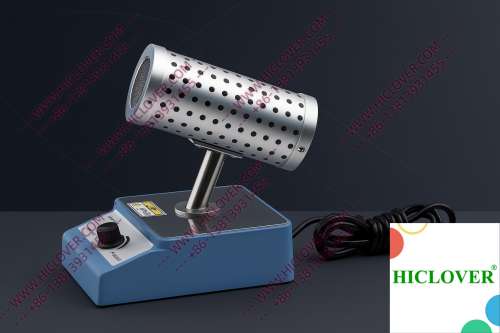
In the fast-paced environment of healthcare facilities, maintaining sterility is a continuous challenge. The risks of contamination from improperly sterilized instruments can lead to increased infection rates and compromised patient safety. Traditional sterilization methods using alcohol lamps or Bunsen burners are not only time-consuming but can also pose safety hazards, especially in clean environments where the risk of fire and chemical emissions needs to be minimized.
The introduction of infrared sterilization technology, embodied in products like the Micro Incinerator, allows for a rapid thermal sterilization process that ensures effective disinfection with minimal risks. This technology leverages infrared heat generated in an enclosed ceramic tube, which provides consistent and high-temperature disinfection without the drawbacks associated with open flames.
Technical Principles of Micro Incinerators
The Micro Incinerator operates on a fundamental principle: targeted infrared radiation. By utilizing a ceramic heating chamber, this device rapidly heats up instruments to temperatures high enough to achieve sterilization. The enclosed design not only enhances safety by eliminating open flames but also ensures a clean-bench-safe operation, ideal for critical laboratory environments.
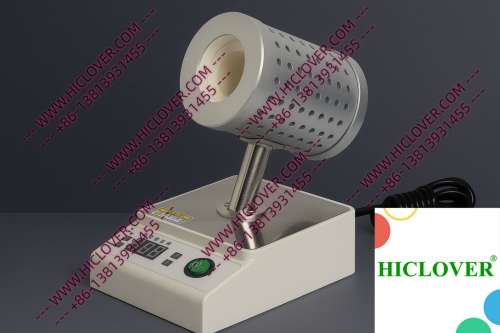
One of the standout features of this sterilizer is its ability to heat up and cool down quickly, allowing for an efficient sterilization workflow. Its compact design makes it highly portable, catering to a variety of laboratory setups ranging from research facilities to educational laboratories.
Application Scenarios in Real Labs
1. Teaching Laboratories
In university teaching labs, where numerous students are handling microbial cultures, the Micro Incinerator provides a safe, reliable, and easy-to-use sterilization solution. Its rapid operation allows educators to demonstrate sterile techniques effectively while minimizing the risk of exposure to naked flames. The absence of aerosol emissions during the sterilization process also mitigates contamination risks, fostering a safer learning environment.
2. Field Testing Labs
In the context of field testing labs, particularly during mobile research expeditions in remote areas of Mongolia, the portability and efficiency of Micro Incinerators become invaluable. Researchers can rely on infrared sterilization to ensure that tools are adequately disinfected before and after specimen collection, significantly reducing the risks of cross-contamination in diverse ecological settings.
Compliance and Environmental Impact
Compliance with biosafety standards is imperative in laboratory settings. Organizations such as the World Health Organization (WHO) set stringent regulations regarding the sterilization of laboratory equipment. The Micro Incinerator aligns with these standards, providing a flame-free solution that is safe for use in cleanrooms and laboratories that demand high levels of sterility.
Moreover, unlike traditional flame sterilizers, Micro Incinerators mitigate environmental impacts through reduced energy consumption and minimized greenhouse gas emissions. Using infrared sterilization not only safeguards the lab environment but also contributes positively to institutional sustainability goals.
Advantages Over Traditional Flame Sterilizers
| Feature | Micro Incinerator | Flame Sterilizers |
|---|---|---|
| Sterilization Speed | Very Fast | Slow |
| Safety | No open flame | Fire hazard |
| Portability | Highly portable | Less portable |
| Aerosol-Free Handling | Yes | No |
| Environmental Impact | Reduced | Higher emissions |
Frequently Asked Questions
- What is a Micro Incinerator and how does it work? A Micro Incinerator is a specialized sterilization device that utilizes infrared heating technology to rapidly sterilize laboratory tools, offering a safe and efficient alternative to traditional flame-based methods.
- Is the Micro Incinerator suitable for all types of laboratories? Yes, it is designed for BSL-2 and BSL-3 labs, educational environments, and even mobile or field testing labs.
- How does it contribute to contamination control? Its design minimizes the release of aerosols and allows for a clean-bench-safe operation, significantly helping in contamination control.
- Is it compliant with WHO biosafety standards? Yes, the Micro Incinerator aligns with international biosafety standards, ensuring safe sterilization practices.
- How portable is the Micro Incinerator? It is compact and lightweight, making it easy to transport and use in various laboratory settings.
Conclusion
In conclusion, the Micro Incinerator / Infrared Inoculating Loop Sterilizer represents a pivotal advancement in laboratory sterilization technology in Ulaanbaatar’s healthcare facilities. Its rapid thermal sterilization capabilities, combined with enhanced safety features, make it an ideal choice for a wide array of applications—from teaching labs to field research. As healthcare continues to evolve, investing in efficient sterilization equipment like the Micro Incinerator is essential to maintain high safety standards.
For more information on our offerings and to explore potential partnerships for distribution, please do not hesitate to contact us today. Let us help you elevate your laboratory sterilization processes to meet modern healthcare demands.
Categories:
Tags: