
As healthcare demands rise in Abuja, particularly in laboratory environments, the need for effective biosafety solutions has never been more critical. Laboratories face significant challenges when it comes to maintaining a contamination-free workspace, particularly in high-stakes settings such as BSL-2 and BSL-3 microbiology labs. With the advent of modern sterilization equipment, institutions are slowly transitioning from traditional methods to advanced solutions like the Micro Incinerator or Infrared Inoculating Loop Sterilizer.
Understanding Laboratory Sterilization Needs
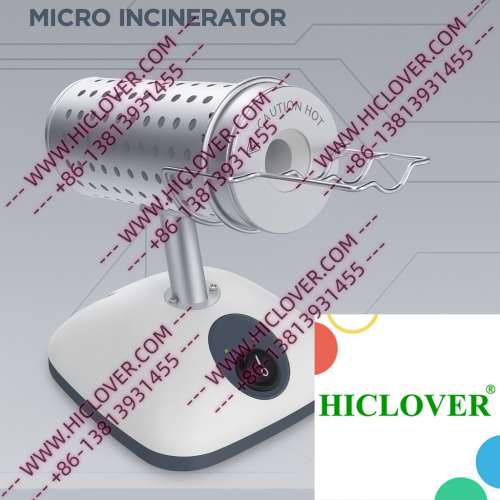
Laboratories handling biological materials require effective sterilization processes to curb contamination and ensure safety. Traditional methods, such as alcohol lamps and Bunsen burners, have been widely used for sterilization purposes. However, these flame-based systems pose several risks, including:
- Inhalation of toxic fumes
- Open flames in cleanroom environments
- Inefficiency in rapid thermal sterilization
The Micro Incinerator, utilizing infrared heat through an enclosed ceramic tube, addresses these challenges by providing a clean, efficient, and safe alternative for sterilizing inoculating loops, needles, and other lab tools. This innovation not only enhances biosafety but also streamlines laboratory workflows.
Technical Principles of Infrared Sterilization
The Infrared Inoculating Loop Sterilizer operates on the principle of infrared high-temperature disinfection. Unlike traditional flame equipment that relies on combustion, this system employs a robust ceramic heating element that reaches temperatures sufficient for sterilization in seconds. The enclosed design strategically minimizes aerosol dispersion during use, ensuring a clean work environment.
When the ceramic tube is activated, infrared heat envelops the instruments placed inside, rapidly inducing thermal sterilization without the risks associated with flame sterilizers. This technology not only optimizes sterilization times but also significantly reduces the overall exposure of laboratory personnel to hazardous materials.
Application Scenarios in Real Labs
1. Teaching Laboratories
In university teaching labs, where students gain hands-on experience in microbiological techniques, the use of Micro Incinerators facilitates safe and effective sterilization. The rapid turnaround time allows students to focus on learning rather than waiting for tools to be sterilized. Additionally, the absence of open flames fosters a safer learning environment, especially for novice laboratory personnel.
2. Clinical Diagnostics and Field Testing
In clinical settings and mobile field testing labs, the need to control contamination is paramount. During sample collection or testing, the Micro Incinerator enables healthcare workers to sterilize tools swiftly and maintain biosafety protocols compliant with WHO guidelines. Field teams can deploy the sterilizer in various environments without worrying about flame hazards, making it an invaluable asset in both urban and rural settings.
Compliance and Environmental Considerations
Compliance with laboratory sterilization standards is essential to ensure safety and efficacy. The WHO biosafety guidelines stipulate that sterilization processes must not produce harmful aerosolized particles, particularly in clean room settings. The Micro Incinerator excels in this area by providing aerosol-free handling of instruments. Moreover, its design eliminates the need for flammable materials, which is a mandate in clean environments, further enhancing operational safety.
Advantages of Micro Incinerators Over Traditional Flame Sterilizers
| Feature | Micro Incinerator | Traditional Flame Sterilizers |
|---|---|---|
| Safety | Flame-free operation | Open flames pose hazards |
| Speed | Rapid thermal sterilization | Slower heat application |
| Efficiency | Enclosed design reduces contamination risk | Exposure to toxic fumes possible |
| Environmental Impact | No combustion emissions | Produces harmful emissions |
FAQs About Micro Incinerators
What is a Micro Incinerator?
A Micro Incinerator is a modern sterilization device that employs infrared heat to sanitize laboratory instruments efficiently without the use of flames.
How does infrared sterilization work?
Infrared sterilization utilizes high temperatures generated by a ceramic heating element to achieve rapid and effective disinfection of inoculating loops and needles.
Why switch from traditional flame sterlizers to Micro Incinerators?
Switching enhances safety, accelerates sterilization processes, and eliminates the risks associated with open flames and toxic fumes.
Are Micro Incinerators compliant with WHO guidelines?
Yes, they are designed to meet WHO biosafety standards, ensuring aerosol-free handling and a clean operating environment.
Can Micro Incinerators be used in mobile labs?
Certainly! Their compact design and flame-free operation make them ideal for field testing and deployment in various environments.
Conclusion
As Abuja continues to evolve as a healthcare hub, the integration of advanced sterilization solutions such as the Micro Incinerator or Infrared Inoculating Loop Sterilizer is essential for enhancing laboratory efficiency and safety. Our commitment to providing state-of-the-art sterilization equipment aligns with the region’s healthcare advancements and ensures compliance with global biosafety standards. For more information or to make a purchase, please do not hesitate to reach out to us today!
Categories:
Tags: