
In the ever-evolving landscape of healthcare diagnostics, laboratories face numerous biosafety challenges, particularly in developing regions like Togo. The need for effective sterilization solutions is paramount, as contamination control has a direct impact on both patient safety and diagnostic accuracy. As research institutions and hospitals strive to improve their sterilization workflows, the adoption of advanced sterilization equipment becomes essential. Enter the Micro Incinerator, particularly the Infrared Inoculating Loop Sterilizer, transforming laboratory practices across Togo.
Technical Principles of Micro Incinerators
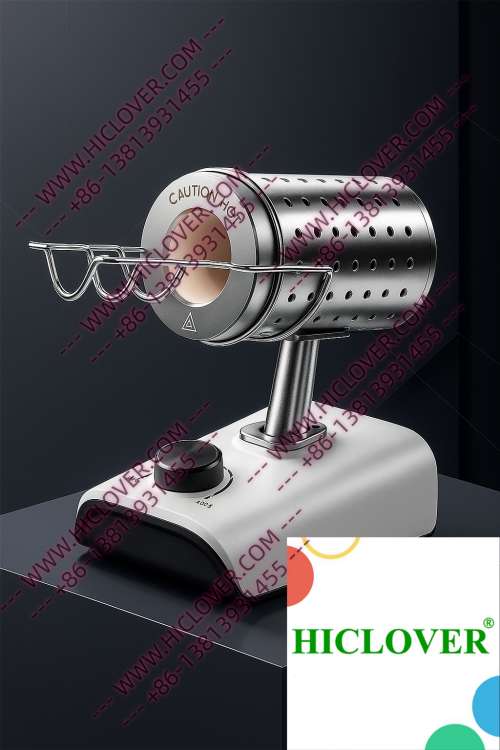
The Micro Incinerator employs a sophisticated design that utilizes infrared heat for rapid thermal sterilization. Its enclosed ceramic tube supports high-temperature disinfection while minimizing the risk of exposure to open flames. This state-of-the-art technology enables a quick and efficient destruction of microbial contamination, thus improving laboratory safety and workflow efficiency.
Operating without the need for a traditional flame, the Micro Incinerator stands out due to its compact, portable design and energy efficiency. The infrared heating element not only reduces the time required for sterilization but also eliminates the risks associated with traditional flame-based systems such as Bunsen burners and alcohol lamps. This unique combination of features is particularly beneficial in environments where space and safety are of the utmost importance.
Applications in Real Laboratories
1. Biosafety Cabinets
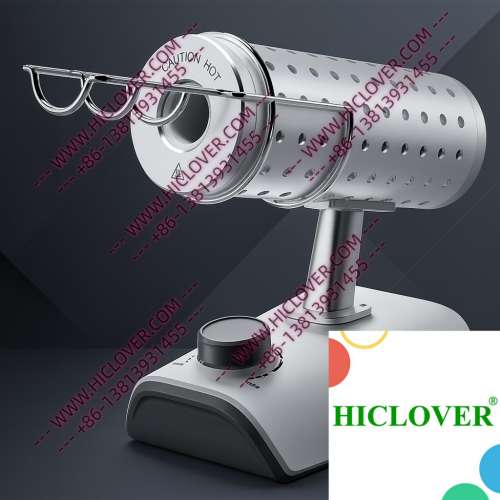
In BSL-2 and BSL-3 microbiology labs, sterilization protocols must be strictly adhered to prevent cross-contamination. The Micro Incinerator fits seamlessly into the workflow of these sensitive environments. For instance, researchers can quickly sterilize inoculating loops between sample transfers without the fire hazards associated with alcohol lamps. The Micro Incinerator provides a clean-bench-safe working environment, ensuring that all tools are adequately sanitized, thus maintaining a contaminant-free laboratory atmosphere.
2. Field Testing and Teaching Labs
In Togo, where mobile and field testing is vital for the surveillance of infectious diseases, the portability of the Micro Incinerator is especially advantageous. Its lightweight design allows health workers and researchers to conduct tests in remote areas without access to traditional sterilization methods. Teaching laboratories at local universities are also adopting this technology, allowing students to learn about effective sterilization practices without the risks posed by open flames. By including this equipment in their training, future health professionals are better prepared for the realities of laboratory work.
Compliance and Environmental Considerations
Global health organizations, such as the WHO, emphasize the need for stringent biosafety measures in laboratories. Compliance with international lab sterilization standards is critical for maintaining accreditation and safeguarding public health. The use of Micro Incinerators aligns with these standards by providing a fully automated sterilization solution that is flame-free and aerosol-free, making it a superior alternative to traditional flame sterilizers in clean rooms and clinical diagnostics.
This compliance not only improves worker safety but also contributes to environmental sustainability. By reducing reliance on consumables like alcohol and providing an energy-efficient sterilization method, Micro Incinerators help mitigate the ecological footprint of healthcare facilities.
Comparison of Micro Incinerators and Traditional Flame Burners
| Feature | Micro Incinerator | Traditional Flame Burners |
|---|---|---|
| Sterilization Time | Rapid (seconds) | Slower (minutes) |
| Risk of Fire | None | High |
| Energy Efficiency | High | Variable |
| Portability | Very Portable | Limited |
| Environmental Impact | Lower | Higher |
Frequently Asked Questions
- What is the primary function of a Micro Incinerator? The Micro Incinerator is designed for rapid sterilization of various laboratory equipment, particularly inoculating loops, to prevent contamination.
- How does the infrared technology of the Micro Incinerator work? The device uses infrared heat generated within an enclosed ceramic tube to achieve high-temperature disinfection without open flames.
- Are Micro Incinerators compliant with international safety standards? Yes, they meet WHO biosafety standards and are suitable for use in BSL-2 and BSL-3 labs.
- Can the Micro Incinerator be used in field settings? Absolutely. Its portable design makes it ideal for mobile testing and remote locations, enhancing field diagnostics.
- What are the advantages of using Micro Incinerators over traditional sterilizers? They offer faster sterilization times, reduced fire risk, lower environmental impacts, and improved laboratory safety.
Conclusion
The Micro Incinerator represents a cutting-edge solution to the sterilization challenges faced by Togo’s healthcare diagnostics sector. By adopting eco-friendly sterilization methods that comply with global biosafety standards, laboratories can significantly enhance their operations while ensuring the safety of both technicians and patients. For organizations looking to elevate their laboratory practices, investing in a Micro Incinerator is a step towards a more efficient, safe, and environmentally-conscious future.
For further information on the Micro Incinerator or to inquire about purchasing options, please feel free to reach out. Together, we can foster a safer laboratory environment.
Categories:
Tags: