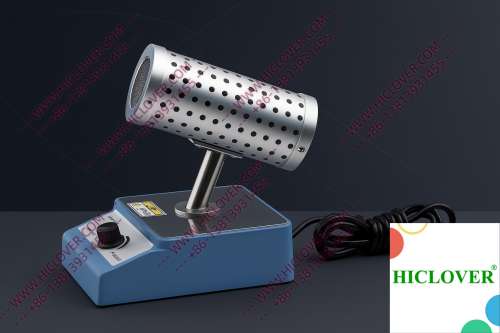
As laboratories in Cotonou strive to enhance biosafety standards and improve sterilization workflows, the integration of advanced laboratory sterilization equipment has become a necessity. One of the most promising innovations in this domain is the Micro Incinerator / Infrared Inoculating Loop Sterilizer. This sophisticated tool addresses many challenges inherent to laboratory sterilization, providing efficient and reliable solutions for contamination control.
Meeting Laboratory Biosafety Challenges
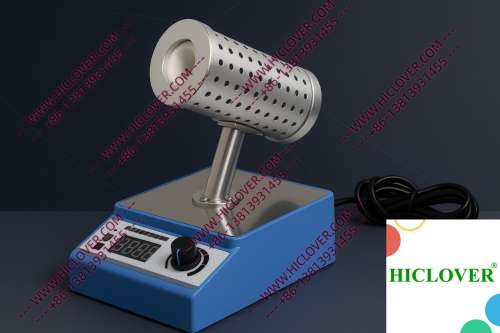
Laboratories, especially those operating under BSL-2 and BSL-3 standards, face significant risks of biological contamination. Traditional flame sterilization methods, such as alcohol lamps and Bunsen burners, not only pose fire hazards but also create aerosols that can compromise sterile environments. The need for a safer alternative has precipitated the use of Infrared Inoculating Loop Sterilizers, which operate on rapid thermal sterilization principles, thus drastically improving laboratory safety.
Technical Principles of Infrared Sterilization
The Micro Incinerator employs an enclosed ceramic tube that generates infrared heat for disinfection purposes. This design allows for:
- Efficient Heat Transfer: Infrared radiation effectively penetrates the inoculating loop, ensuring that it reaches temperatures sufficient for sterilization (usually around 600°C) nearly instantly.
- Clean-Bench-Safe Operation: Its compact design and flameless nature make it suitable for use under biosafety cabinets, preserving the integrity of the clean space.
- Aerosol-Free Handling: Unlike flame methods, this technology eliminates the risk of aerosolized contaminants, crucial in both clinical diagnostics and teaching labs.
- Exclusion of Open Flames: Infrared sterilizers significantly reduce fire risks, making them particularly suitable for sensitive environments, such as clean rooms and CO₂ incubators.
- Reduced Carbon Footprint: The energy efficiency of infrared heaters contributes to lower environmental impact, reflecting a commitment to sustainability in laboratory practices.
Real-World Application Scenarios
Biosafety Cabinets
In research facilities, incorporating the Micro Incinerator into biosafety cabinets allows researchers to achieve maximum sterilization efficiency without jeopardizing the sterile environment. For instance, when transferring bacterial cultures, laboratory staff can utilize the infrared sterilizer to temporarily disinfect inoculating loops without exposing samples to open flames, thus minimizing contamination risks.
Field Testing Laboratories
In the context of field testing laboratories, particularly in remote locations in Benin, utilizing portable infrared loop sterilizers offers significant mobility combined with high sterilization effectiveness. These sterilizers allow healthcare workers to conduct diagnostic tests safely after sampling, ensuring that they maintain biosafety while working outside traditional laboratory settings.
Compliance and Environmental Considerations
Compliance with WHO biosafety guidelines is paramount in laboratory operations. The transition from traditional flame sterilizers to infrared methods aligns with international sterilization standards, emphasizing:
Furthermore, implementing these technologies not only meets safety compliance but enhances workflow efficiency, allowing laboratories to focus on research and development without the delays commonly associated with traditional methods.
Comparative Analysis: Infrared Sterilizers vs. Traditional Flame Sterilizers
| Feature | Micro Incinerator | Flame Sterilizers |
|---|---|---|
| Operating Temperature | Up to 600°C | Variable, typically below 300°C |
| Risk of Aerosols | No | Yes |
| Fire Hazard | Minimal | High |
| Clean Room Compatibility | Yes | No |
| Energy Efficiency | High | Moderate |
Frequently Asked Questions
What is the primary advantage of using an infrared sterilizer over traditional flame sterilizers?
The primary advantage is safety; infrared sterilizers eliminate the risks associated with open flames, reduce aerosol generation, and increase efficiency through rapid heating.
Are infrared sterilizers suitable for use in teaching laboratories?
Yes, their ease of use and safety profile make them ideal for educational settings, allowing students to learn sterilization techniques without the risks associated with flames.
Can the Micro Incinerator be used in outdoor settings?
Absolutely, its portability makes it a great tool for field testing labs that require high sterilization standards in various environmental conditions.
How does infrared sterilization comply with WHO safety guidelines?
Infrared sterilizers adhere to biosafety guidelines by minimizing contamination risks, enhancing environmental safety, and providing reliable sterilization in closed systems.
What maintenance is required for an infrared inoculating loop sterilizer?
These units are generally low-maintenance; regular cleaning of the ceramic tube and ensuring proper electrical connections will suffice to maintain optimal operation.
Conclusion
The adoption of Micro Incinerator / Infrared Inoculating Loop Sterilizers in Cotonou’s hospitals and laboratories reflects a significant shift towards modern sterilization practices that prioritize safety and efficiency. By replacing traditional flame sterilizers, laboratories can improve biosafety, reduce risks, and adhere to international standards more effectively. For those interested in upgrading their sterilization methods or seeking high-quality sterilization equipment, we encourage you to contact us to explore available options tailored to your laboratory needs.
Categories:
Tags: