
Laboratory biosafety poses significant challenges, especially in bustling medical environments like hospitals in Windhoek. The increasing demand for contamination control in microbiological testing, coupled with the necessity for rapid thermal sterilization, makes the integration of advanced sterilization equipment crucial. One of the foremost solutions available today is the Micro Incinerator or Infrared Inoculating Loop Sterilizer, which significantly enhances safety and efficiency in various laboratory settings.
Understanding the Technology Behind Micro Incinerators
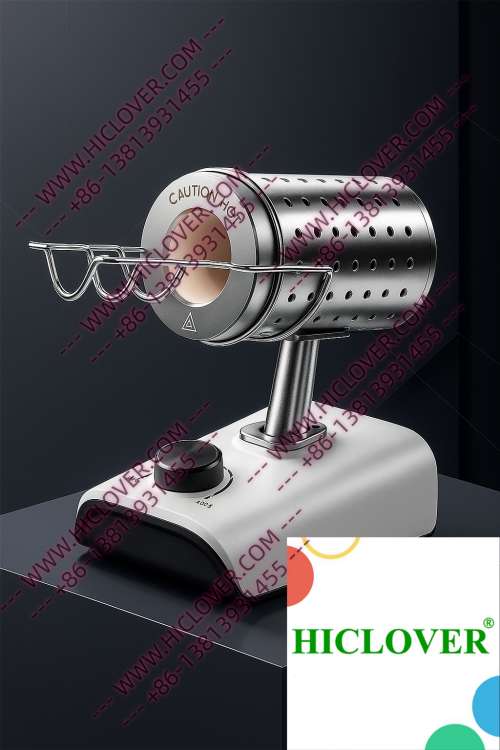
Micro Incinerators operate on the principle of infrared high-temperature disinfection. These devices use a ceramic heating chamber that generates intense heat through infrared radiation, achieving sterilization temperatures almost instantaneously. Unlike traditional flame-based sterilizers, which rely on open flames from alcohol lamps or Bunsen burners, these modern sterilizers provide a clean-bench-safe environment where aerosol-free handling is guaranteed.
The enclosed ceramic tube design minimizes risks associated with flammable substances and dramatically reduces contamination risks associated with spillage and vaporization. Additionally, the swift operational time of the micro incinerator allows for a seamless workflow, critical in busy laboratory environments where time is of the essence.
Application Scenarios in Modern Laboratories
Micro Incinerators are versatile tools that enhance laboratory sterilization protocols. Let’s explore two prominent application scenarios:
1. Biosafety Cabinet Operations
In BSL-2 and BSL-3 microbiology labs, where the handling of pathogenic microorganisms is routine, the Micro Incinerator serves as an essential tool within biosafety cabinets. Here, it effectively sterilizes inoculating loops and other instruments without producing harmful aerosols that could compromise sterile techniques. This integration not only enhances safety for laboratory personnel but also ensures that the integrity of samples remains intact.
2. Teaching Laboratories at Universities
University teaching labs in Windhoek, where students learn vital microbiological techniques, benefit immensely from the Micro Incinerator’s user-friendly design. During practical sessions, instructors can demonstrate safe sterilization methods without the hazards posed by flame sterility. This educational approach not only safeguards student health but also teaches the next generation of microbiologists the importance of adhering to biosafety practices from the outset of their training.
Compliance and Environmental Considerations
Ensuring compliance with biosafety standards is vital for laboratories in Windhoek. The World Health Organization (WHO) emphasizes strict guidelines for laboratory sterilization, highlighting the importance of employing sterilization methods that avoid open flames, especially in clean rooms.
- Adherence to laboratory sterilization standards, such as those outlined by the Centers for Disease Control and Prevention (CDC).
- Safe operation within BSL-2 and BSL-3 environments, reducing the risk of cross-contamination.
- Effective for use in environments where traditional flame sterilizers cannot operate due to safety concerns.
The adoption of Micro Incinerators directly aligns with these compliance expectations, providing hospitals and research centers with a reliable and safe alternative to traditional flame sterilizers.
Comparative Advantages Over Traditional Systems
When evaluating sterilization options, the Micro Incinerator stands out against conventional alcohol lamps and Bunsen burners. Below is a comparison table that highlights the key differences:
| Feature | Micro Incinerator | Traditional Flame Burners |
|---|---|---|
| Heat Source | Infrared ceramic heating | Open flame |
| Safety | No open flame, aerosol-free | High risk of burn and contamination |
| Heat-Up Time | Immediate | Delayed |
| Contamination Control | Enhanced | Limited, exposed to atmosphere |
FAQs About Micro Incinerators
What is the operational lifespan of a Micro Incinerator?
The operational lifespan can vary based on usage patterns, but with proper care and maintenance, many units can last several years, even in demanding laboratory environments.
Are Micro Incinerators suitable for field testing?
Yes, their portable design makes Micro Incinerators highly suitable for field testing, particularly in environments where quick sterilization is required without the risks associated with open flames.
How do Micro Incinerators enhance teaching in university labs?
They provide a safe, effective method for sterilization, allowing students to focus on learning sterile techniques without exposure to the hazards of traditional flame systems.
Do Micro Incinerators comply with WHO guidelines for laboratory safety?
Absolutely; they meet stringent biosafety regulations by eliminating open flames, thus enhancing safety protocols in laboratories.
Can I use a Micro Incinerator in a CO₂ incubator environment?
Yes, they are compatible, as they do not produce harmful byproducts that could interfere with the anaerobic and CO₂-enriched conditions typically maintained within incubators.
Conclusion: Elevate Your Laboratory Practices Today
By replacing conventional flame sterilizers with Micro Incinerators, hospitals in Windhoek can significantly enhance their laboratory safety protocols. This innovative technology not only addresses the critical challenges of contamination control but also promotes a safer working environment for healthcare professionals and students alike. Don’t miss the opportunity to equip your laboratories with cutting-edge sterilization solutions that ensure compliance with biosafety standards while optimizing workflow.
For pricing, specifications, or to place an order for your Micro Incinerator, please don’t hesitate to get in touch with us today!
Categories:
Tags: