
Laboratories in Banjul, like many around the world, face significant challenges when it comes to biosafety and effective sterilization. As the demand for efficiency and reliability increases, traditional methods such as alcohol lamps and Bunsen burners are often seen as inadequate for modern laboratory needs. In particular, the need for sterilization workflows that avoid aerosol production, provide rapid thermal sterilization, and are flame-free has never been more pressing. This is where innovative products like the Micro Incinerator / Infrared Inoculating Loop Sterilizer come into play.
The Technical Principles Behind Portable Loop Burners
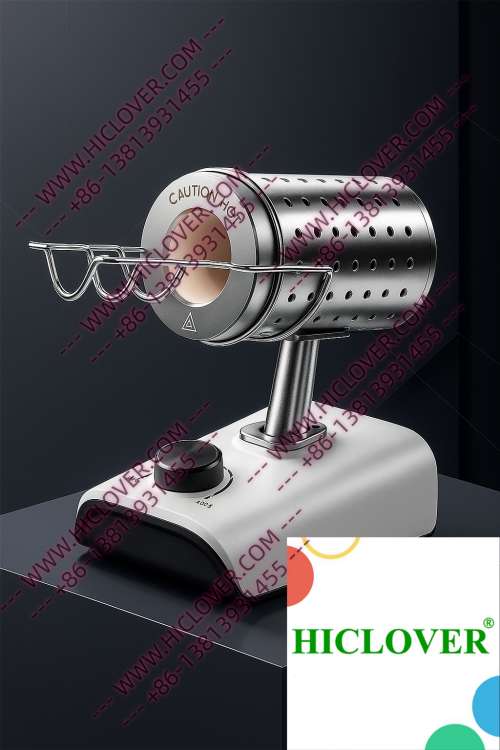
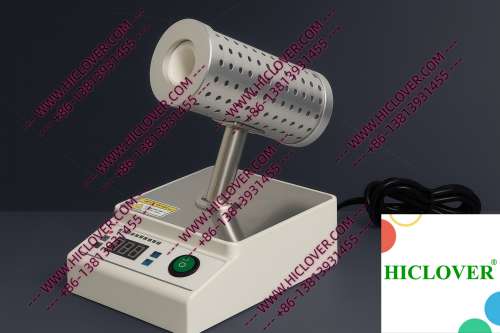
The Micro Incinerator operates on the principle of infrared heat, utilizing a ceramic heating chamber that achieves high temperatures within a matter of seconds. This enclosed design not only ensures rapid and efficient heating but also minimizes the risk of contamination typical in flame-based sterilizers. The infrared technology promotes high-temperature disinfection that is vital for sterile inoculation loops, pipettes, and other laboratory instruments.
The compact form factor of the Micro Incinerator enhances portability, making it an ideal choice for field testing labs and mobile setups. The energy-efficient design allows for quick sterilization while ensuring safety, negating the need for flammable substances that can pose hazards in confined laboratory settings, such as biosafety cabinets.
Application Scenarios in Modern Labs
1. Field Testing Laboratories
In Banjul, field testing labs often encounter environments that are not conducive to traditional sterilization methods. The Micro Incinerator’s portability allows scientists to conduct experiments in remote locations without the worry of complex setups. For example, while conducting water quality testing in rural areas, researchers can quickly sterilize their inoculating loops between samples, ensuring accurate results without contamination.
2. University Teaching Laboratories
In academic settings, particularly for microbiology classes involving student experiments, the Micro Incinerator stands out. It is placed conveniently at each workstation, allowing students to learn proper sterilization techniques without the smoke and risks associated with flame sterilizers. This modern approach reinforces safety protocols while educating students about the importance of contamination control in laboratory practices.
Compliance and Environmental Considerations
As biosafety standards set forth by organizations like the World Health Organization (WHO) gain focus, laboratories are urged to adhere to stringent sterilization protocols. The Micro Incinerator aligns with these biosafety standards, especially in environments designated as BSL-2 and BSL-3 labs where contamination risks are significantly heightened. By eliminating open flames, the Micro Incinerator is suited for cleanroom operations, enhancing aerosol-free handling of potentially dangerous materials.
Furthermore, with the increasing emphasis on reducing the ecological footprint, this modern sterilization tool operates on electricity, avoiding harmful emissions characteristic of other fire-based sterilization options. Compliance with laboratory sterilization standards ensures that laboratories can maintain rigorous cleanliness and safety protocols.
Micro Incinerator vs. Traditional Flame Sterilizers
| Feature | Micro Incinerator | Flame Burners |
|---|---|---|
| Heating Method | Infrared heat | Open flame |
| Portability | Highly portable | Less portable, requires more setup |
| Safety | Flame-free | Fire hazard |
| Speed of Sterilization | Very quick | Varies, usually longer |
| Contamination Control | Excellent | Risk of contamination |
Frequently Asked Questions
- What is a Micro Incinerator? A Micro Incinerator, or Infrared Inoculating Loop Sterilizer, is a portable device that uses infrared heat for rapid sterilization without an open flame.
- How does a Micro Incinerator compare to traditional sterilizers? It provides faster, safer, and more efficient sterilization, minimizing contamination risks inherent in flame sterilizers.
- Can a Micro Incinerator be used in BSL-2 labs? Yes, the Micro Incinerator complies with biosafety regulations and is ideal for use in BSL-2 and BSL-3 environments.
- What applications are best suited for a Micro Incinerator? It is highly suitable for teaching labs, fieldtesting labs, and situations where sterilization needs are high but space is limited.
- Is it environmentally friendly? Yes, it operates on electricity and does not emit harmful smoke, making it a safer choice for the environment.
Conclusion
The evolution of laboratory sterilization methods is critical in meeting the biosafety challenges of modern science. The Micro Incinerator / Infrared Inoculating Loop Sterilizer represents a significant step forward, combining efficiency, safety, and portability to enhance laboratory workflows. As laboratories in Banjul and beyond adapt to these requirements, embracing this technology can lead not only to improved outcomes but also to a safer, more sustainable working environment.
If you’re interested in upgrading your laboratory sterilization equipment or wish to learn more about our offerings, please contact us today!
Categories:
Tags: