
In today’s microbiological landscape, laboratories face numerous biosafety challenges, particularly as they aim to maintain rigorous standards for contamination control. The demand for effective sterilization techniques has never been greater. Ensuring the safety of laboratory environments—especially those operating under BSL-2 / BSL-3 guidelines—is paramount. An effective solution lies with advanced sterilization equipment such as the Micro Incinerator / Infrared Inoculating Loop Sterilizer, a game changer in laboratory workflows.
Understanding the Technical Principles of the Micro Incinerator
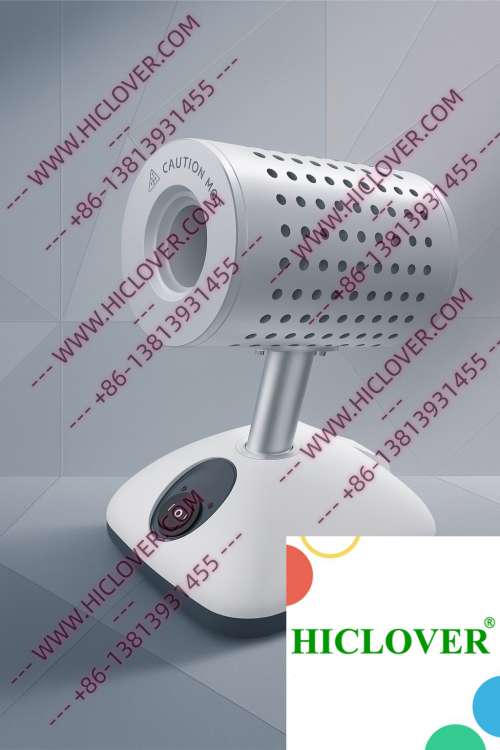
The Micro Incinerator employs an innovative infrared heating mechanism, utilizing an enclosed ceramic tube to produce consistent and rapid thermal sterilization. This equipment operates without flames, an important feature in maintaining the integrity of clean environments where aerosol generation is risky. The high-temperature disinfection achieved through infrared technology is not only efficient but also significantly improves the safety of laboratory personnel.
Traditional flame sterilizers—such as alcohol lamps or Bunsen burners—often pose potential hazards of igniting flammable vapors, not to mention the contamination risk associated with open flames. In contrast, the Infrared Inoculating Loop Sterilizer is designed for seamless operation in both clean rooms and biosafety cabinets, employing a clean-bench-safe method that dramatically reduces contamination risks.
Applications of Infrared Inoculating Loop Sterilizers
To illustrate the efficacy of the Micro Incinerator, let’s consider two practical application scenarios in real laboratories:
1. Biosafety Cabinets
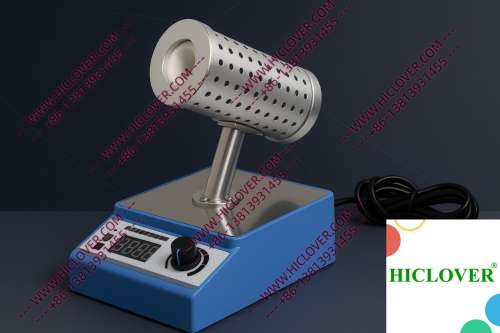
In a BSL-2 microbiology lab in Amsterdam, researchers often utilize biosafety cabinets to handle potentially hazardous microorganisms. Here, the Micro Incinerator ensures that inoculating loops are rapidly sterilized without introducing combustion by-products. The enclosed ceramic heating chamber enables researchers to maintain sterile techniques, ensuring that airborne contaminants are minimized.
2. University Teaching Labs
University labs in Amsterdam also benefit significantly from using infrared inoculating loop sterilizers. In teaching environments, where students frequently handle microbial cultures, the Micro Incinerator provides a safe and effective way to sterilize tools without the need for supervision that is required for traditional flame sterilizers. Its efficient operation allows for uninterrupted workflow—students can focus more on learning rather than worrying about flame-related hazards.
Compliance with Sterilization Standards
Maintaining compliance with biosafety standards, such as those established by the World Health Organization (WHO), is critical in laboratory settings. For instance, BSL-2 and BSL-3 classified labs must adhere to stringent sterilization protocols to prevent cross-contamination. The Micro Incinerator aligns with these requirements by offering a flame-free solution, thus keeping biohazardous waste under control. Moreover, traditional flame sterilizers cannot be used in clean rooms due to the risk of contamination from combustion by-products.
The ability of the Micro Incinerator to provide rapid thermal sterilization makes it a vital tool for meeting stringent laboratory sterilization standards. Its design reinforces compliance with international guidelines while enhancing overall laboratory safety.
Why Choose the Micro Incinerator Over Flame Burners?
| Feature | Micro Incinerator | Flame Burners |
|---|---|---|
| Heat Source | Infrared Ceramic Tube | Open Flame |
| Safety | Flame-free operation | Risk of ignition |
| Contamination Risk | Minimal aerosol generation | Higher risk due to combustion |
| Speed of Sterilization | Rapid thermal sterilization | Varies, slower in practice |
| Energy Efficiency | Energy-efficient | Less efficient |
Frequently Asked Questions
- What is the advantage of using the Micro Incinerator in laboratory settings?
It provides a safer, faster, and more efficient sterilization method compared to traditional flame sterilizers. - Can the Micro Incinerator be used in field testing?
Yes, it can be beneficial for mobile labs or field testing situations where traditional sterilization methods may be impractical. - How does the Micro Incinerator meet WHO biosafety standards?
The design minimizes contamination risks and prevents aerosol generation, aligning its operation with WHO guidelines. - Is the Micro Incinerator suitable for university teaching labs?
Absolutely! It enhances the safety and learning experience of students conducting microbiological experiments.
Conclusion: A Step Towards Enhanced Lab Safety
In conclusion, the Micro Incinerator / Infrared Inoculating Loop Sterilizer stands out as a crucial component in modern laboratory sterilization processes, particularly in Amsterdam’s healthcare and educational sectors. By offering a reliable and safe option for sterilizing inoculating loops, hospitals and educational institutions can vastly improve their operational safety and efficiency. For those seeking to enhance lab safety, compliance, and workflow, investing in quality Micro Incinerators is a prudent choice. If you are interested in acquiring this innovative sterilization equipment, please reach out to us for details on how you can get started.
Categories:
Tags: