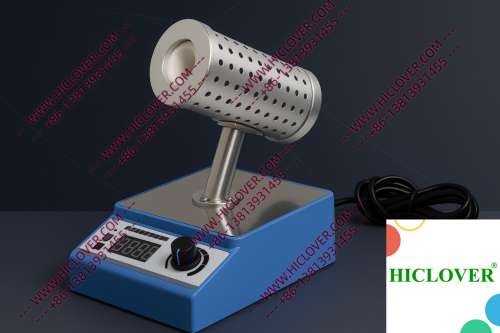
In the realm of laboratory settings, the significance of maintaining stringent biosafety standards cannot be overstated. As labs continuously grapple with contamination challenges and stringent sterilization workflow demands, the need for advanced sterilization equipment has never been higher. The Micro Incinerator, also known as the Infrared Inoculating Loop Sterilizer, has emerged as a go-to solution for efficient and effective sterilization in various environments – from bustling research centers to educational institutions.
Understanding the Micro Incinerator: A Technical Overview
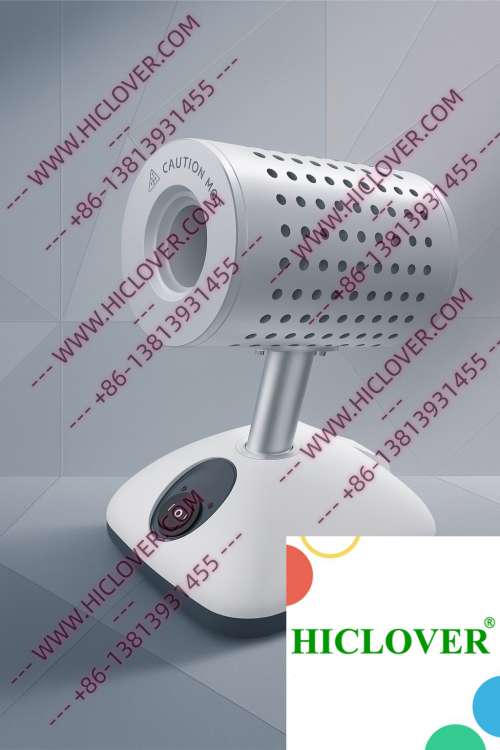
The Micro Incinerator employs advanced infrared heat technology within an enclosed ceramic tube, designed to achieve rapid thermal sterilization. Unlike traditional flame-based devices, this sterilizer minimizes aerosol generation and promotes a clean and controlled atmosphere for laboratory tasks. Its compact design allows for easy integration into different laboratory setups, making it an invaluable tool for modern biosafety cabinets, mobile field testing laboratories, and university teaching labs.
Advantages Over Traditional Flame Sterilizers
- Rapid Sterilization: The ceramic heating chamber heats up quickly, allowing for immediate use.
- No Flame Hazards: Eliminates the risks associated with open flames, essential for clean room applications.
- Consistent Temperature Control: Provides uniform heat distribution, improving sterilization reliability.
- Aerosol-Free Handling: Reduces the potential for contamination from airborne pathogens.
- What is the primary benefit of using a Micro Incinerator over a Bunsen burner?
The Micro Incinerator offers quick thermal sterilization without the risks associated with open flames, making it safer for sensitive environments. - How does a Micro Incinerator maintain consistent sterilization temperatures?
The enclosed ceramic tube and infrared heat technology provide uniform and rapid heating, ensuring effective sterilization with every use. - In what environments can I use a Micro Incinerator?
It is ideal for BSL-2 and BSL-3 labs, teaching labs, and field testing scenarios, particularly where cleanliness and safety are paramount. - What is the average lifespan of the Micro Incinerator units?
With proper maintenance, these units can operate efficiently for several years, offering long-term reliability. - Are there any specific maintenance requirements?
Regular cleaning and checking of the heating elements will ensure optimal performance and longevity of the device.
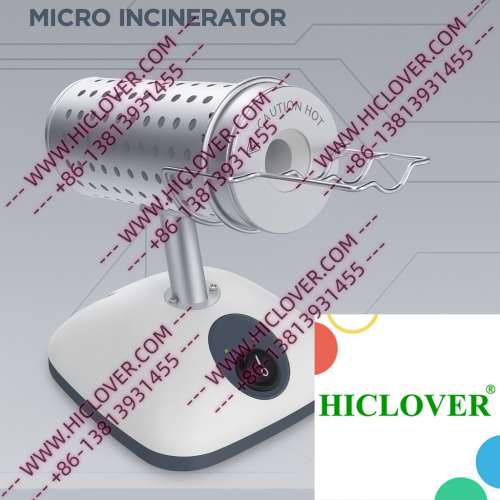
Comparatively, traditional flame sterilizers like alcohol lamps and Bunsen burners can be cumbersome and less reliable in certain laboratory environments. The continuous flame can disrupt essential sterile conditions and introduces additional safety hazards to laboratory personnel.
Application Scenarios in Real Labs
Micro Incinerators find diverse applications across various laboratory environments:
Biosafety Cabinets
In BSL-2 and BSL-3 microbiology labs, effective sterilization is crucial for compliance with WHO biosafety standards. The Micro Incinerator’s design allows for safe operation within biosafety cabinets, providing a reliable option for sterilizing inoculating loops, needles, and other laboratory tools without compromising the sterile environment.
Teaching Labs
In academic settings, students must learn sterilization techniques essential for microbiological work. The Micro Incinerator provides a user-friendly and safe method for educators to demonstrate effective sterilization methods. Its compactness and ease of use make it ideal for laboratory training exercises, ensuring that students gain valuable hands-on experience.
Compliance and Environmental Considerations
Adhering to laboratory sterilization standards is critical to ensure operational reliability and safety. The Micro Incinerator complies with major laboratory standards, including those set forth by national and international health organizations.
It is worth noting that in clean rooms, maintaining a no-flame policy is vital for protecting sensitive experiments and minimizing contamination risk. The Micro Incinerator aligns perfectly with such operational demands.
Local Market Overview: Pricing in Stockholm
In Stockholm, the entry point for acquiring a Micro Incinerator typically ranges from SEK 8,000 to SEK 15,000, depending on the model and specific features. This price reflects the investment in top-notch sterilization technology that significantly enhances laboratory workflows.
FAQs
Conclusion: Step Up Your Sterilization Game
Investing in a Micro Incinerator not only enhances your laboratory’s capabilities but also ensures compliance with global biosafety standards. As a leading sterilization solution, it addresses the continual challenges of contamination control, providing a safe and efficient alternative to traditional flame sterilizers.
To discover more about Micro Incinerator pricing or to place an order, feel free to contact us. Elevate your lab’s sterilization practices today!
Categories:
Tags: