
In a world increasingly aware of health and safety, laboratory facilities face unique challenges related to biosafety and contamination control. Effective sterilization is vital for ensuring that laboratory environments are safe for both practitioners and patients. Particularly in Dubai, where healthcare standards are continuously evolving, investing in high-quality sterilization equipment such as the Micro Incinerator / Infrared Inoculating Loop Sterilizer can be a game changer for laboratories. This article delves into the complexities of sterilization, its technical principles, and application scenarios, while also addressing compliance with global biosafety standards.
Challenges in Laboratory Biosafety
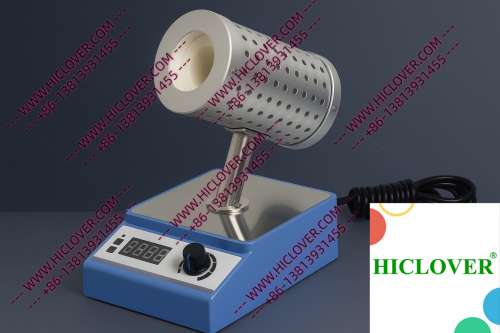
Laboratories, especially those dealing with hazardous materials, often confront the challenge of maintaining a sterile environment. Traditional methods of sterilization, including alcohol lamps and Bunsen burners, can introduce risks such as open flames, which are not suitable for clean environments. These traditional tools also generate aerosols, potentially leading to contamination during handling. This is where modern solutions like infrared inoculating loop sterilizers come into play, providing a safer and more efficient option for laboratory professionals.
Technical Principles of Infrared Heat Technology
The Micro Incinerator utilizes infrared heat technology to achieve rapid thermal sterilization. Unlike traditional flame sterilizers, which can produce significant heat differentials and are difficult to control, this device employs an enclosed ceramic tube that emits concentrated infrared heat. This high-temperature disinfection method enables effective sterilization without producing harmful aerosols or flames, making it ideal for clean bench operations.
Advantages Over Traditional Flame Sterilizers
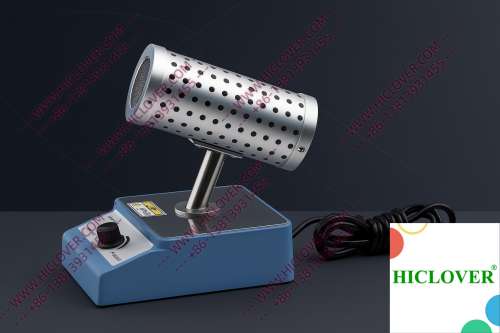
- Safety: No open flames; minimizes contamination risk.
- Efficiency: Rapid heating and cooling cycles save time.
- Portability: Lightweight design facilitates use across various settings.
- Consistent Performance: Eliminates variability in flame size and heat output.
Application Scenarios for Micro Incinerators
Micro Incinerators are versatile and find utility across various laboratory settings:
1. Biosafety Cabinets
In BSL-2 and BSL-3 microbiology labs, where the handling of pathogens is routine, the Micro Incinerator acts as a vital tool for sterilizing inoculating loops, needles, and other tools without jeopardizing the sterile environment. Its rapid heating cycle minimizes the risk of contamination, aligning with strict laboratory protocols.
2. Mobile Field Testing Labs
Field testing scenarios often lack the controlled environments of traditional laboratories. Integrating a Micro Incinerator allows scientists to sterilize equipment on-site efficiently, ensuring they maintain biosafety protocols while dealing with infectious samples. Its portability and quick operational readiness make it invaluable for external research projects.
Compliance with Biosafety and Lab Sterilization Standards
Adhering to global biosafety standards, such as those laid out by the World Health Organization (WHO), is essential for any laboratory handling biological materials. Standards dictate practices like:
- Regular validation of sterilization equipment.
- Minimizing the use of flame equipment in cleanrooms.
- Employing aerosol-free handling techniques to prevent pathogen dispersion.
Using infrared sterilizers not only aligns with these best practices but also aids laboratories in passing compliance audits more efficiently. The Micro Incinerator design reduces aerosol generation, making it safer for use in sensitive settings.
Cost Overview of Hospital Sterilizers in Dubai
The costs of hospital sterilizers, including advanced options like the Micro Incinerator, can vary based on manufacturer, configuration, and intended application. In Dubai, prices typically range from AED 2,500 to AED 8,000 or more, influenced by factors like included features and regulatory certifications.
Comparison Table: Micro Incinerator vs. Flame Burners
| Feature | Micro Incinerator | Flame Burners |
|---|---|---|
| Safety | No flames, reduced risk of burns | Open flames, higher fire risk |
| Efficiency | Rapid heat-up time | Variable heating, slower |
| Portability | Lightweight and mobile | Generally bulkier |
| Aerosol Generation | Minimal | High risk of aerosols |
| Compliance | Meets WHO standards | May not meet all standards |
FAQs About Hospital Sterilization Equipment
1. What is the difference between infrared sterilizers and traditional methods?
Infrared sterilizers provide safer, aerosol-free operation and efficient sterilization compared to traditional methods like flame burners, which pose burn risks and generate aerosols.
2. How often should sterilization equipment be validated?
It is recommended to validate sterilization equipment regularly, especially after changes in procedures or in accordance with local biosafety standards.
3. Can a Micro Incinerator be used in BSL-3 labs?
Yes, Micro Incinerators are suitable for BSL-3 labs due to their safety features and efficient sterilization capabilities.
4. Are Micro Incinerators portable?
Yes, the lightweight design of Micro Incinerators makes them easy to transport, ideal for field-testing environments.
5. What is the average cost of a Micro Incinerator in Dubai?
Prices for Micro Incinerators in Dubai typically range from AED 2,500 to AED 8,000 based on features and certifications.
Conclusion
Investing in advanced sterilization equipment such as the Micro Incinerator / Infrared Inoculating Loop Sterilizer is crucial for laboratories in Dubai aiming to uphold safety and compliance standards. By transitioning from traditional flame-based methods, labs can ensure enhanced safety for personnel and improved workflow efficiency. If you are considering modernizing your laboratory sterilization protocols, contact us today! Together, we can enhance your laboratory practices and ensure you meet both international biosafety standards and local regulatory requirements.
Categories:
Tags: