
In the bustling city of Bangalore, where cutting-edge medical research and healthcare converge, the adoption of advanced sterilization technologies is becoming increasingly crucial. Laboratories face numerous biosafety challenges, particularly in ensuring that contamination is controlled and samples are kept sterile. The integration of state-of-the-art PCR sterilizers, especially the Micro Incinerator / Infrared Inoculating Loop Sterilizer, has transformed the sterilization workflow in hospitals, research centers, and teaching laboratories across the region.
Significance of Laboratory Sterilization Equipment
Laboratories working under Biosafety Levels 2 (BSL-2) and 3 (BSL-3) often have strict protocols in place to maintain cleanliness and prevent contamination. Traditional sterilization methods, such as alcohol lamps and Bunsen burners, while familiar, pose several challenges. The use of open flames in clean rooms can introduce risks such as aerosol generation, inconsistencies in sterilization temperatures, and potential ignition hazards. This has led laboratories to seek alternatives like the Micro Incinerator, which utilizes infrared heat to deliver rapid and effective sterilization.
Technical Principles of the Micro Incinerator
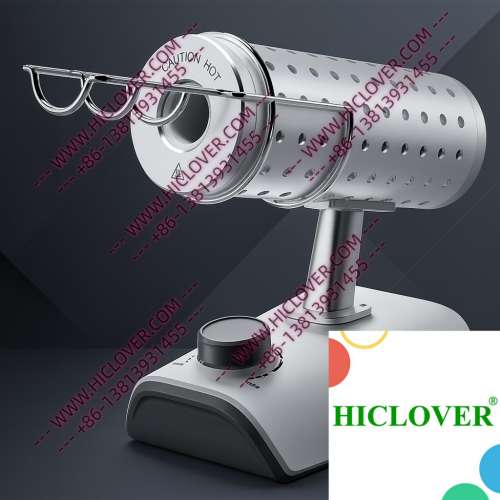
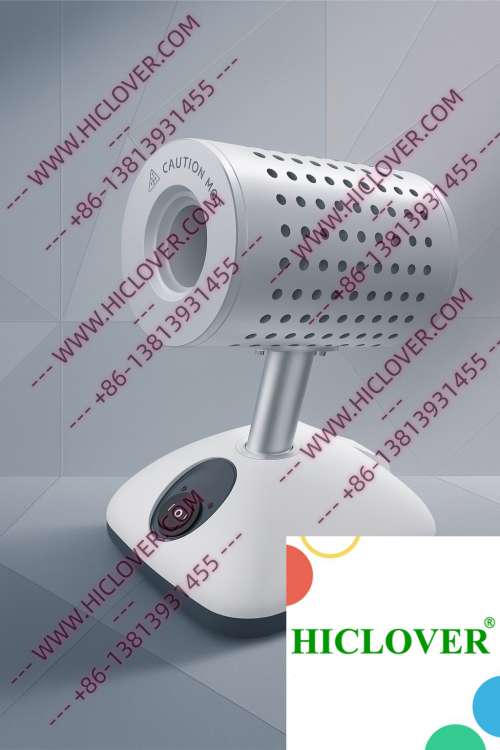
The Micro Incinerator operates on the principle of infrared high-temperature disinfection, utilizing a ceramic heating chamber that rapidly heats up to 800°C. This enclosed ceramic tube allows for efficient heating without exposing the operator to flames or harmful aerosols. The infrared energy ensures a quick response time while simultaneously maintaining a clean working environment.
- Rapid Thermal Sterilization: Achieving sterilization within seconds.
- Aerosol-Free Handling: Mitigating the risk of airborne contaminants.
- Clean-Bench-Safe: No open flames make it safe for sensitive environments.
Application Scenarios in Real Labs
Let’s explore two common application scenarios where the Micro Incinerator can be effectively deployed:
1. Teaching Laboratories
In university settings, teaching laboratories require significant attention to safety standards while educating students. The Micro Incinerator is invaluable in these environments because it offers a safe alternative to traditional flame sterilizers. Instructors can demonstrate aseptic techniques in a controlled manner without the risks associated with open flames. Moreover, its compact design makes it suitable for limited bench space.
2. Clinical Diagnostics
Clinical diagnostic labs frequently handle a range of biohazardous materials that require secure and reliable sterilization methods. Utilizing the Micro Incinerator allows personnel to rapidly sterilize inoculating loops and other tools, minimizing turnaround times for tests and results. Its effectiveness in aerosol-free environments supports compliance with stringent sterilization standards.
Compliance with Biosafety Standards
Compliance with regulations set forth by organizations such as the World Health Organization (WHO) and local health authorities is vital. Laboratories operating in Bangalore must adhere to relevant biosafety and sterilization standards to ensure the safety of both personnel and the surrounding community. Unlike traditional flame sterilizers, which can be hazardous in cleanroom environments, the Micro Incinerator provides a compliant, safe solution that is integral to maintaining sterile conditions. Furthermore, avoiding flames in clean rooms ensures that the integrity of sensitive equipment such as CO₂ incubators remains intact.
Comparison: Micro Incinerator vs. Flame Sterilizers
| Feature | Micro Incinerator | Flame Sterilizer |
|---|---|---|
| Heating Method | Infrared | Open Flame |
| Response Time | Seconds | Variable |
| Aerosol Generation | No | Yes |
| Safety in Clean Rooms | Safe | Not Recommended |
Frequently Asked Questions
What is the key advantage of using a Micro Incinerator over traditional flame sterilizers?
The primary advantage is its ability to provide rapid thermal sterilization without the risks associated with open flames, making it safer for use in sensitive laboratory environments.
How does the Micro Incinerator maintain compliance with biosafety standards?
By eliminating open flames and aerosol generation, the Micro Incinerator upholds stringent requirements set forth by organizations like WHO, ensuring personnel safety and maintaining sterile conditions.
Can the Micro Incinerator be used in field testing labs?
Yes, its lightweight and compact design make it perfect for field testing labs, allowing for quick sterilization of instruments on-site without compromising safety.
Is training required for using the Micro Incinerator?
While the Micro Incinerator is user-friendly, training is recommended to ensure that users adhere to best practices for safety and effective sterilization.
What kind of maintenance is needed for the Micro Incinerator?
Regular cleaning of the ceramic heating chamber and periodic inspections are recommended for optimal performance and longevity.
Conclusion
In summary, Bangalore hospitals and laboratories are leading the way in adopting advanced PCR sterilizers like the Micro Incinerator / Infrared Inoculating Loop Sterilizer to address contemporary biosafety challenges. Enhanced sterilization workflows not only support compliance with safety standards but also cultivate a safer environment for healthcare professionals and patients alike. By investing in cutting-edge sterilization technology, organizations can significantly improve their operational efficiency. For more information on how the Micro Incinerator can elevate your laboratory’s sterilization practices, feel free to get in touch with us!
Categories:
Tags: