
In today’s laboratory environments, the challenge of maintaining biosafety and effective sterilization is more critical than ever. As laboratories work with increasingly sensitive samples and pathogens, the demand for efficient and safe sterilization methods has led to the emergence of innovative solutions like the Micro Incinerator/Infrared Inoculating Loop Sterilizer. This article explores the practical applications, technical principles, and compliance standards associated with this revolutionary device, particularly in the context of Egypt’s evolving waste management landscape.
Addressing Laboratory Biosafety Challenges
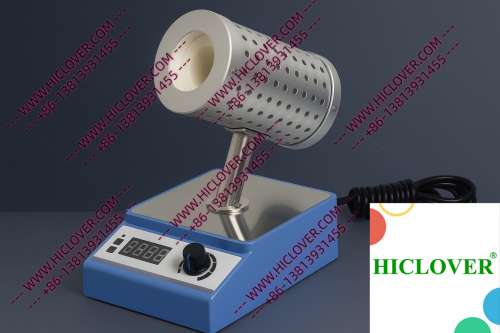
Laboratories, especially those operating under biosafety level 2 (BSL-2) and level 3 (BSL-3) conditions, face significant challenges in contamination control. Traditional methods of sterilization, such as alcohol lamps and Bunsen burners, pose risks of open flames and aerosol generation, compromising the safety of laboratory personnel and the integrity of sensitive experiments. In contrast, micro incinerators offer a flame-free, aerosol-free solution that allows for rapid thermal sterilization of tools used in microbiological work, particularly within closed environments like biosafety cabinets.
Technical Principles of Micro Incinerators
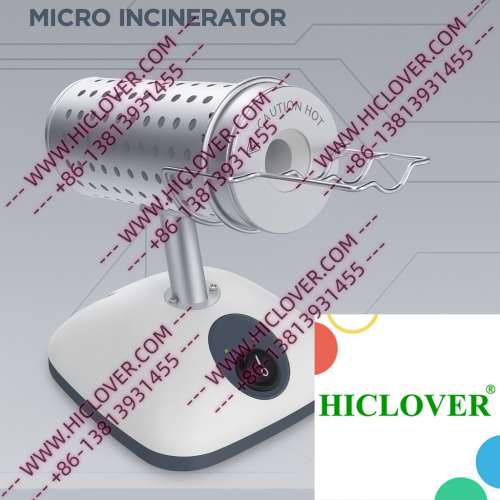
At the heart of the Micro Incinerator’s functionality is its innovative use of infrared heat. The unit features an enclosed ceramic heating chamber that reaches high temperatures almost instantaneously, providing uniform and efficient sterilization. Unlike traditional flame sterilizers, micro incinerators operate at a focused thermal output, enabling precise control over sterilization processes.
This technology not only minimizes the risk of contamination but also enhances the overall efficiency of lab workflows. For laboratory technicians, the simplicity of the infrared inoculating loop sterilizer streamlines the sterilization process, making it easier to transition between tasks without the need for prolonged heating times or the risk of burns.
Applications in Modern Laboratories
Micro Incinerators have found valuable applications across a variety of laboratory settings, including:
- Biosafety Cabinets: In settings where maintaining an aseptic environment is crucial, micro incinerators provide smoke-free and flame-free heat sterilization, ensuring operator safety and experiment integrity.
- Field Testing: For mobile labs, such as those conducting environmental assessments in remote areas of Egypt, the compact design and robust functionality of micro incinerators make them ideal for on-site sterilization, circumventing limitations posed by traditional methods.
- University Teaching Labs: In educational institutions, teaching labs benefit from the Micro Incinerator by providing students with hands-on experience in safe and effective sterilization techniques, promoting best practices for future microbiologists.
Compliance and Environmental Considerations
Adhering to global biosafety standards is non-negotiable in laboratory operations. The World Health Organization (WHO) has outlined biosafety protocols and sterilization standards that laboratories must follow to mitigate risks associated with biohazardous materials. Micro Incinerators comply with these regulations by offering a safe, flame-free alternative to traditional sterilizers, natively designed for cleanroom applications where the presence of flames is prohibited.
Furthermore, as Egypt grapples with waste management challenges, the environmentally friendly profile of micro incinerators aligns with sustainable practices. They contribute to reducing waste by providing effective sterilization, thereby minimizing the risk of pathogenic exposure in waste disposal.
Comparative Analysis: Micro Incinerator vs. Flame Sterilizers
| Feature | Micro Incinerator | Flame Sterilizer |
|---|---|---|
| Heating Method | Infrared | Open Flame |
| Aerosol Generation | No | Yes |
| Safety | High | Moderate |
| Heating Time | Instantaneous | Varies |
| Portability | High | Low |
FAQs About Micro Incinerators
What is the primary advantage of a Micro Incinerator over traditional flame sterilizers?
The Micro Incinerator offers a safer, flame-free method of sterilization, reducing the risk of accidental burns and aerosol contamination while providing immediate high-temperature sterilization.
Can Micro Incinerators be used in BSL-3 laboratories?
Yes, Micro Incinerators are suitable for BSL-3 labs, where stringent biosafety protocols are necessary. Their design eliminates flame-related hazards, making them ideal for sensitive applications.
How does the Micro Incinerator contribute to waste management in laboratories?
The Micro Incinerator effectively sterilizes waste materials, reducing the risk of pathogenic exposure and streamlining the disposal process.
Is training required to operate a Micro Incinerator?
While Micro Incinerators are designed for ease of use, basic training on operation and safety protocols is recommended to ensure compliance with laboratory standards.
What is the expected lifespan of a Micro Incinerator?
With proper maintenance, a Micro Incinerator can last several years, making it a reliable investment for laboratories aiming for sustainable sterilization solutions.
Conclusion
As laboratories in Egypt and beyond embrace innovative solutions for biosafety and waste management, Micro Incinerators stand out as a revolutionary technology. Their advantages over traditional flame sterilizers make them invaluable in a variety of laboratory settings, from clinical diagnostics to educational training. For organizations seeking to improve their sterilization workflows and maintain compliance with international standards, investing in Micro Incinerators is not just beneficial—it’s essential.
Contact us today to learn more about how our Micro Incinerators can enhance your laboratory’s efficiency, safety, and environmental sustainability.
Categories:
Tags: