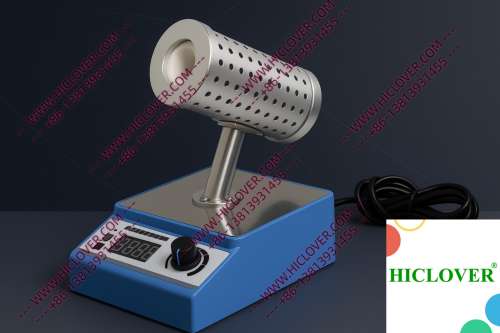
In today’s world, the importance of effective infection control in laboratories cannot be overstated. As laboratories in biosafety levels (BSL) 2 and 3 handle potentially hazardous pathogens, they face numerous biosafety challenges. Moreover, the workflow demands for sterilization are constantly evolving, necessitating state-of-the-art laboratory sterilization equipment. One of the pivotal instruments in this domain is the Micro Incinerator, an infrared inoculating loop sterilizer that stands as a safer, more efficient alternative to traditional flame sterilizers.
The Technical Principles Behind Infrared Inoculating Loop Sterilizers
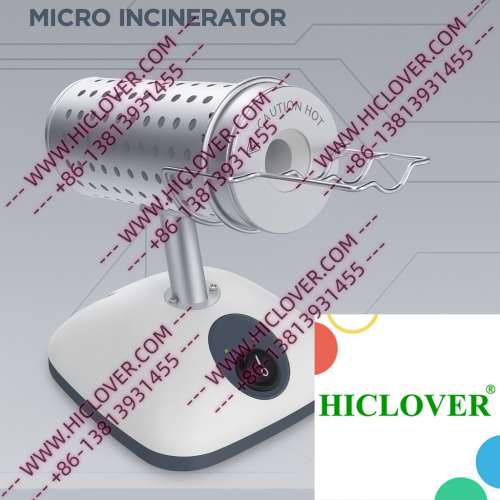
The Micro Incinerator operates on the principle of rapid thermal sterilization using infrared heat. This specialized device features an enclosed ceramic heating chamber that achieves high temperatures very quickly—ideal for sterilizing inoculating loops used in microbiological applications. Unlike traditional flame methods, which can lead to contamination through inefficient aerosols and uncontrolled flames, the Micro Incinerator provides a clean-bench-safe solution. Here’s how it works:
- Efficient Heat Conduction: Infrared radiation directly heats the inoculating loop, reaching sterilization temperatures swiftly.
- Enclosed Ceramic Tube: The enclosed design minimizes any risk of spillovers or contamination.
- Aerosol-Free Handling: This system eliminates aerosol generation, making it safer for both the user and the environment.
Practical Applications in Laboratory Settings
Understanding how the Micro Incinerator fits into various laboratory settings is essential for recognizing its value. Here are two specific application scenarios where this device can enhance safety and efficiency:
1. Use in BSL-2 & BSL-3 Microbiology Labs
In a BSL-2 laboratory, where potentially infectious agents are handled, the Micro Incinerator is invaluable for minimizing contamination risks. The device can be located within a biosafety cabinet, allowing researchers to sterilize their loops without exposing their samples or the environment to open flames. This adherence to WHO biosafety guidelines ensures a safer workspace, particularly important when cultivating bacteria or handling clinical specimens.
2. Educational and Teaching Labs
University teaching labs often incorporate practical demonstrations of microbiology principles. With an increase in educational institutions focusing on biosafety principles, the Micro Incinerator can safely be used to teach students about sterilization without the hazards associated with flame sterilizers. Unlike Bunsen burners or alcohol lamps, which require careful supervision, the Micro Incinerator offers a user-friendly operation that enables students to focus on learning rather than worrying about potential burns or contamination.
Compliance and Environmental Considerations
When it comes to laboratory sterilization standards, compliance with stringent regulations is critical for laboratory facilities. The Micro Incinerator aligns well with the guidelines set forth by health organizations like the WHO. Its design supports regulations around the absence of flames in clean rooms and reduces the risk of potential fires—a crucial consideration in clinical diagnostics and high-stakes research environments.
Moreover, the incorporation of this technology plays a role in minimizing laboratory waste and enhancing overall ecological sustainability. Whether in urban centers or rural testing sites in regions like New York or California, the Micro Incinerator helps laboratories maintain a clean and compliant working environment.
Advantages of Micro Incinerators Over Traditional Flame Sterilizers
While traditional flame sterilizers such as Bunsen burners and alcohol lamps have been the go-to options for years, the Micro Incinerator presents several clear advantages:
| Feature | Micro Incinerator | Flame Sterilizers |
|---|---|---|
| Safety | No open flame, reduced risk of burns and contamination | Open flame operation, higher risk of injuries |
| Efficiency | Rapid heating and sterilization | Longer heating times, inconsistency in temperature |
| Contamination Control | Aerosol-free and enclosed design | Potential for aerosol generation |
| Versatility | Suitable for various lab environments | Limited to open lab scenarios |
FAQs about Micro Incinerators
What is a Micro Incinerator?
A Micro Incinerator is an infrared inoculating loop sterilizer designed to quickly and safely sterilize lab instruments without the use of an open flame.
How does an infrared inoculating loop sterilizer work?
This device uses directed infrared heat to rapidly reach sterilization temperatures, which ensures effective disinfection while limiting the generation of aerosols.
Where can Micro Incinerators be used?
Micro Incinerators are effective in BSL-2 and BSL-3 labs, clinical diagnostics environments, teaching labs, and even for mobile testing in field situations.
What are the benefits of using a Micro Incinerator compared to flame sterilizers?
The Micro Incinerator offers greater safety, rapid thermal sterilization, aerosol-free handling, and overall improved efficiency in contamination control.
Are Micro Incinerators compliant with safety regulations?
Yes, they meet WHO biosafety standards and environmental regulations regarding the use of no open flames in clean room environments.
Conclusion
As the demand for infection control intensifies, particularly in laboratory settings, employing modern solutions like the Micro Incinerator becomes imperative. This innovative device enhances safety while adhering to essential biosafety compliances. For laboratories looking to advance their sterilization methods and maintain a high standard of safety, investing in a Micro Incinerator is a transformative decision.
To explore how you can integrate this essential laboratory sterilization equipment into your workflow, feel free to contact us or visit our website for more details on purchasing.
Categories:
Tags: