
Laboratory biosafety challenges are an ever-present concern in the realm of clinical microbiology. As researchers and technicians navigate a landscape fraught with the potential for contamination, the demand for effective sterilization workflows has never been greater. One of the most significant technological advancements in achieving rapid thermal sterilization is the adoption of the Micro Incinerator or Infrared Inoculating Loop Sterilizer. This innovative device not only meets but exceeds current laboratory sterilization equipment standards, making it an essential addition to any microbiology lab.
The Technical Principle Behind Infrared Sterilization
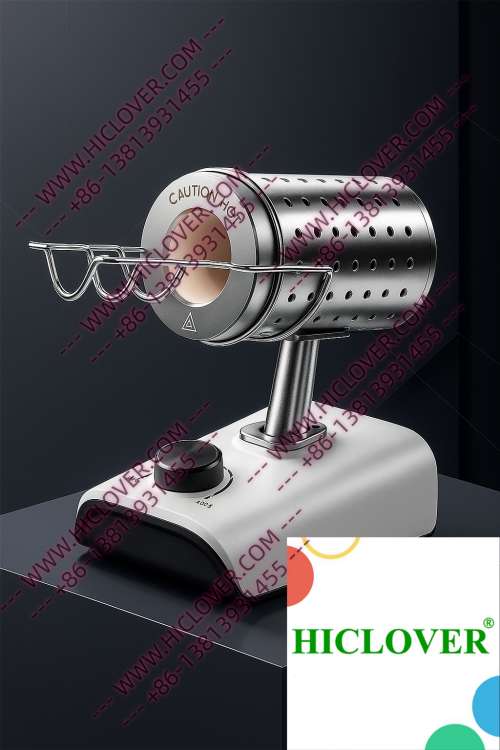
The Micro Incinerator operates on the principle of infrared heat disinfection, utilizing a unique enclosed ceramic tube that generates high temperatures in a fraction of the time taken by traditional flame sterilizers. When the heater reaches its optimal temperature, it quickly sterilizes inoculating loops and other small laboratory tools, eliminating the risk of cross-contamination. This method ensures an impressive level of contamination control, providing laboratory personnel with a safer working environment.
Decoding Design and Configuration
Typically, a Micro Incinerator features a robust ceramic heating chamber that allows rapid and uniform heat distribution. The device operates without the need for external gas sources or open flames, making it a clean-bench-safe option. This innovation is especially advantageous when working within biosafety cabinets in BSL-2 and BSL-3 microbiology labs. Compared to traditional solutions, the infrared inoculating loop sterilizer lessens the risk of accidental burns and minimizes aerosol generation, thereby vastly improving operator safety.
Applications in Real Labs
Consider a scenario in a busy clinical diagnostics lab where the need for swift and efficient sterilization is paramount. Utilizing a Micro Incinerator enables technicians to achieve instant sterilization of inoculating loops, streamlining their workflow and reducing processing time. Since it operates without an open flame, this sterilizer mitigates the risks associated with flammable materials present in the laboratory environment.
In another application, teaching labs within universities can benefit significantly from this technology. By introducing students to the Micro Incinerator, instructors can ensure a safer environment for practical work while also teaching best practices for contamination control. The clear visibility into the contained sterilization process allows students to focus on their techniques without the distraction of managing flames and soot, providing a smoother learning experience.
Compliance and Environmental Considerations
The importance of compliance with laboratory sterilization standards cannot be overstated. According to WHO biosafety guidelines, it is essential for labs to minimize contamination risks through effective sterilization practices. The Micro Incinerator aligns with these standards by providing a flame-free solution that is indispensable in clean rooms where any open flame poses a substantial risk.
Furthermore, areas with stringent safety regulations, such as laboratories in regions like the UK or Germany, can leverage this technology to ensure adherence to local safety standards governing laboratory operations. By utilizing infrared sterilizers, organizations can build a culture of bio-safety that extends from lab technicians to researchers and students.
Comparison: Micro Incinerator vs. Traditional Flame Sterilizers
| Feature | Micro Incinerator | Flame Sterilizers (e.g., Bunsen Burners) |
|---|---|---|
| Temperature Control | Rapid and consistent | Variable and difficult to manage |
| Safety | Flame-free, aerosol-free | Open flame, risk of burns and contamination |
| Ease of Use | Simple push-button operation | Requires skill to manage flame |
| Environmental Impact | Minimal (no combustion) | High (produces soot and requires gas) |
| Compliance | Meets WHO standards | Potentially non-compliant |
Frequently Asked Questions
- How does a Micro Incinerator sterilize inoculating loops?
The Micro Incinerator uses infrared heating technology, achieving high temperatures that sterilize loops in seconds, ensuring contamination control. - Is the Micro Incinerator suitable for field testing labs?
Yes, the compact design and flame-free operation make it ideal for mobile or field testing environments. - What are the key safety advantages of using a Micro Incinerator over a traditional flame sterilizer?
It eliminates the risk of burns and fire hazards while providing a cleaner, more controlled sterilization environment. - Can the Micro Incinerator be used in clean rooms?
Absolutely, the absence of an open flame makes it compliant with cleanroom protocols and WHO biosafety guidelines. - How does the Micro Incinerator help in teaching labs?
It allows safe teaching of sterilization techniques without the risks or distractions associated with flames, enhancing the learning experience.
Conclusion
The integration of Micro Incinerators in clinical microbiology laboratories represents a pivotal shift towards improved safety, efficiency, and compliance in laboratory operations. As laboratory supply distributors and research facilities seek reliable sterilization equipment, the Micro Incinerator emerges as the preferred choice that adheres to contemporary safety standards while offering numerous operational advantages.
If you are interested in revolutionizing your laboratory workflows and enhancing safety protocols, consider investing in a Micro Incinerator. Contact us today to learn more about how this innovative product can transform your sterilization practices.
Categories:
Tags: