
In clinical diagnostic laboratories, the demands for biosafety and efficient sterilization procedures are non-negotiable. Whether performing tests for infectious diseases or in microbiological research, maintaining a sterile environment is crucial to prevent contamination and ensure reliable results. Traditional methods of sterilization, such as alcohol lamps and Bunsen burners, offer limited efficiency and pose inherent safety risks. Enter the Micro Incinerator, an innovative solution that enhances both sterilization practices and waste management in labs.
Understanding Micro Incinerators
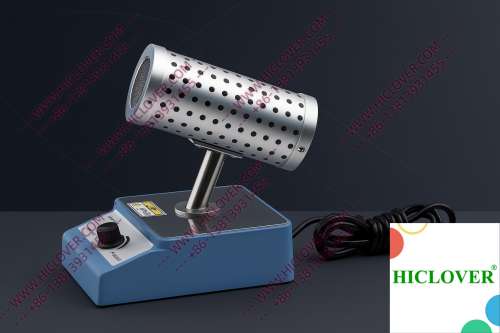
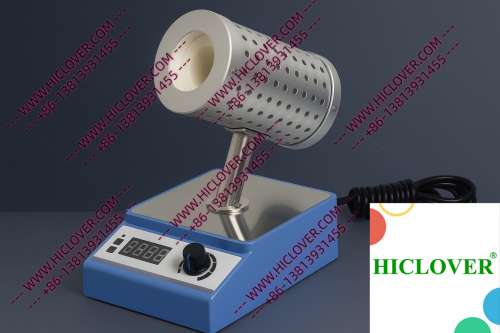
The Micro Incinerator, or Infrared Inoculating Loop Sterilizer, utilizes rapid thermal sterilization to achieve high-temperature disinfection without the hazards associated with open flames. This device incorporates an enclosed ceramic heating chamber capable of reaching temperatures exceeding 800°C in a matter of seconds. The primary objective is to eliminate contamination through efficient and controlled heating, making it a prime choice for laboratories where safety and sterility are paramount.
Applications in Diagnostic Labs
- Biosafety Cabinets: In BSL-2 and BSL-3 microbiology laboratories, the Micro Incinerator can be seamlessly integrated into biosafety cabinets. This setup allows for aerosol-free handling of inoculating loops and other tools, significantly reducing the risk of airborne contamination. The rapid heating capability ensures that instruments are sterilized effectively without compromising the working environment.
- Field Testing Labs: In mobile or field testing laboratories, where traditional sterilization methods may not be feasible, the Micro Incinerator serves as a portable solution. Researchers can rely on the reliability and compact size of the device, ensuring that sterilization is maintained even in remote settings.
Compliance and Environmental Considerations
Adhering to international biosafety standards, such as those set by the World Health Organization (WHO) and the CDC, is critical in lab operations. Micro Incinerators fulfill these regulations by providing a clean, flame-free method for sterilization. Unlike traditional flame burners, which can produce unwanted aerosols and smoke, the enclosed design of the Micro Incinerator minimizes environmental impact and complies with strict cleanroom standards.
Additionally, the use of Micro Incinerators supports laboratory sustainability goals by effectively managing waste. The device’s ability to sterilize and dispose of contaminated materials reduces the volume of hazardous waste that must be processed through more complex disposal operations.
Features and Benefits Over Traditional Methods
| Feature | Micro Incinerator | Flame Burners |
|---|---|---|
| Temperature Control | Rapid thermal sterilization up to 800°C | Variable, reliant on user technique |
| Safety | Enclosed design, no open flame | Open flame, risk of burns and fires |
| Efficiency | Instant heating within seconds | Slower heating, longer workflow interruptions |
| Contamination Control | Aerosol-free operation | Potential for aerosol generation |
FAQs on Micro Incinerators
- What is a Micro Incinerator? A Micro Incinerator is an infrared sterilization device designed to efficiently sterilize inoculating loops and other lab instruments using high temperatures without open flames.
- How does a Micro Incinerator enhance lab safety? By utilizing an enclosed ceramic heating chamber, it minimizes the risk of burns and fires, making it inherently safer than traditional flame-based sterilizers.
- Can a Micro Incinerator be used in field testing scenarios? Yes, its portability and rapid thermal capabilities make it ideal for field testing applications where traditional methods are impractical.
- What are the environmental benefits of using a Micro Incinerator? This device reduces aerosol generation and hazardous waste volume, aligning with laboratory sustainability goals and compliance with regulatory standards.
- How do I maintain a Micro Incinerator? Regular cleaning of the ceramic heating chamber is recommended, along with periodic inspections to ensure functionality and safety.
Conclusion
The introduction of Micro Incinerators in diagnostic laboratories marks a significant advancement in waste management and sterilization practice. With robust safety features, compliance with international standards, and the ability to function effectively in various laboratory settings—from BSL-2/BSL-3 facilities to university teaching labs—the Micro Incinerator offers a superior alternative to traditional flame sterilizers.
For laboratories striving to enhance their sterilization workflows and biosafety compliance, now is the time to consider adopting this innovative technology. Contact us today to learn more about how the Micro Incinerator can revolutionize your lab operations.
Categories:
Tags: