
In the ever-evolving landscape of biological research, the need for efficient, safe, and compliant waste management solutions in university labs is fundamental. As laboratories conduct increasingly complex experiments, challenges associated with sterilization and biosafety have been amplified. Traditional flame sterilizers, such as alcohol lamps and Bunsen burners, may present risks including combustion byproducts, aerosols, and contamination. Therefore, a renewed focus on innovative laboratory sterilization equipment has emerged, particularly the Micro Incinerator, or Infrared Inoculating Loop Sterilizer.
The Technical Principle of Micro Incinerators
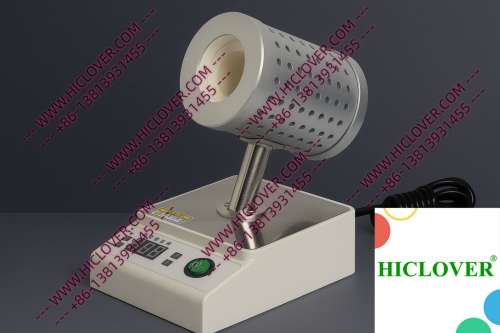
The Micro Incinerator employs cutting-edge infrared technology to deliver rapid thermal sterilization within a compact and enclosed ceramic heating chamber. With temperatures exceeding 800°C, this device is capable of achieving high-temperature disinfection without the risks associated with open flames. The infrared heating mechanism ensures efficient heat transfer to inoculating loops, scalpels, and other lab tools, yielding thorough sterilization in mere seconds.
Featuring an ergonomic design, the Micro Incinerator commands minimal space on laboratory benches—ideal for busy BSL-2 and BSL-3 microbiology environments. Its ability to eliminate contaminants through a clean-bench-safe and aerosol-free process makes it an essential tool for maintaining biosafety standards while optimizing workflow.
Applications of Micro Incinerators in Laboratories
The versatility of Micro Incinerators allows their application in multiple laboratory settings:
- Biosafety Cabinets: In a biosafety cabinet, the Micro Incinerator can efficiently sterilize equipment without the risk posed by open flames. Lab personnel can ensure effective decontamination of tools while adhering to strict biosafety protocols, safeguarding both the researchers and the laboratory environment.
- Teaching Labs: In educational settings, the Micro Incinerator serves as a perfect instructional tool. It provides students with hands-on experience regarding safe sterilization techniques, enhancing their understanding of contamination control while eliminating the dangers associated with traditional flame-based methods.
Compliance and Environmental Impact
Adhering to international biosafety standards is paramount in the operation of biological laboratories. The World Health Organization (WHO) outlines stringent lab sterilization standards to safeguard laboratory workers and the environment. The Micro Incinerator aligns with these standards by offering an enclosure that eliminates open flames, thus preventing the potential ignition of biohazardous materials.
Moreover, as many labs pivot towards “clean room” operations, the incorporation of Micro Incinerators is crucial. The precise engineering ensures that no harmful aerosols are produced during the sterilization process, minimizing environmental impact and enhancing air quality—factors essential for compliance with advanced laboratory standards.
Comparison: Micro Incinerator vs. Traditional Flame Sterilizers
| Feature | Micro Incinerator | Traditional Flame Sterilizers |
|---|---|---|
| Temperature Control | Consistent high-temperature, rapid sterilization | Variable, dependent on manual management |
| Aerosol Production | None | Can produce hazardous aerosols |
| Space Requirement | Compact, ideal for crowded workspaces | Requires more space due to open flame setup |
| Safety | Enhanced safety with enclosed design | Higher risk of fire, burns, and contamination |
| Ease of Use | Simple operation with quick heating | Requires skill to operate safely |
The Future of Laboratory Sterilization
The evolution of laboratory environments, particularly in university settings, demands innovative solutions to maintain hygiene without compromising safety or efficiency. Micro Incinerators are leading the charge in redefining sterilization processes, primarily due to their rapid thermal sterilization capability, contamination control, and user-friendly design. Transitioning from traditional flame sterilizers to Micro Incinerators streamlines laboratory workflows and enhances compliance with biosafety standards.
Frequently Asked Questions (FAQs)
- 1. How does a Micro Incinerator ensure safe sterilization?
- The Micro Incinerator uses infrared heat to achieve rapid, high-temperature sterilization, substantially reducing the risks involved with open flames and minimizing aerosol production.
- 2. Can Micro Incinerators be used in ICU or clinical diagnostics laboratories?
- Yes, their compact design and flameless operation make them suitable for use in critical environments like ICU or clinical diagnostics labs while ensuring compliance with safety standards.
- 3. What is the maintenance requirement for a Micro Incinerator?
- Micro Incinerators require minimal maintenance, but regular inspections of the ceramic heating chamber and operational checks are recommended to ensure optimal performance.
- 4. Are Micro Incinerators compliant with WHO guidelines?
- Yes, they align with WHO guidelines and laboratory sterility standards due to their ability to safely and effectively sterilize without generating harmful aerosols.
- 5. What are the best practices for using a Micro Incinerator?
- Always use the device in a clean and contamination-free environment. Ensure that the ceramic chamber is clean before every use, and follow all manufacturer guidelines for best performance.
Conclusion
As laboratories strive for efficiency while maintaining safety protocols, the Micro Incinerator emerges as a transformative tool in waste management and sterilization workflows. Whether utilized in university teaching labs or advanced research facilities, the Micro Incinerator enhances laboratory operations, allowing for the meticulous attention necessary in today’s biosafety-compliant settings. For distributors, hospitals, universities, and research centers interested in elevating their sterilization techniques, exploring options for the Micro Incinerator could be a pivotal step towards ensuring a safer, more efficient laboratory environment. Don’t hesitate to reach out for more information or to facilitate a purchase today.
Categories:
Tags: